2026 Best Home Backup Power Solutions for Global Buyers
In an era where power outages can disrupt daily life, finding reliable home backup power solutions is crucial. Whether due to natural disasters, extreme weather, or aging infrastructure, having a backup system can ensure your home remains functional. Many homeowners are now investing in such systems, recognizing their importance in maintaining comfort and security.
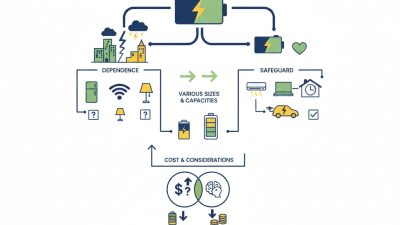
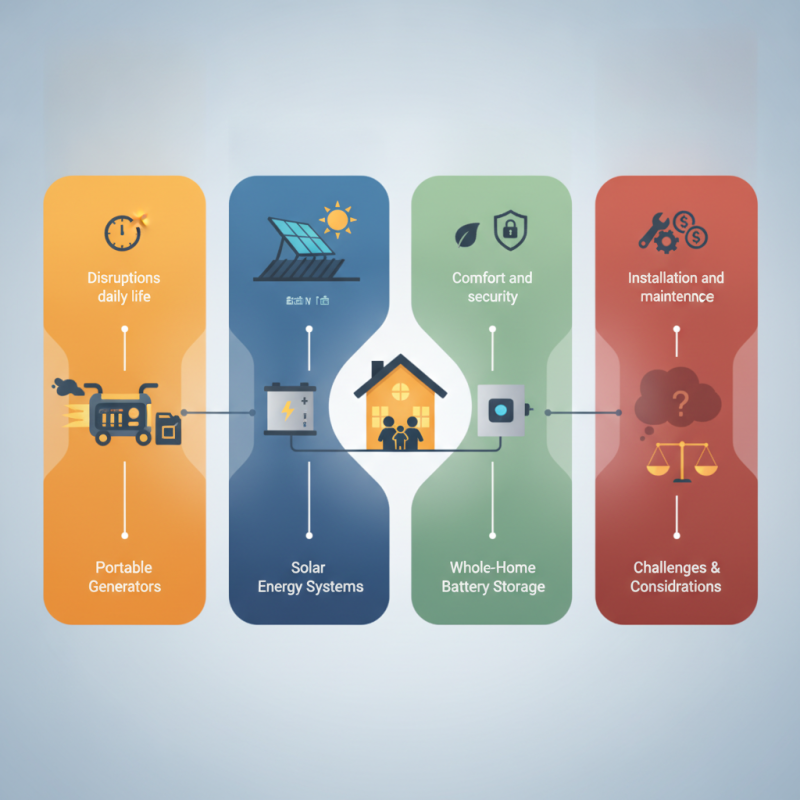
The market offers various options for home backup power solutions. From portable generators to solar energy systems, choices vary in cost, capacity, and environmental impact. Buyers should prioritize solutions that meet their specific energy needs and budget constraints. However, selecting the right system can be overwhelming. It’s essential to weigh the pros and cons of each option.
While these solutions present clear advantages, challenges also arise. For instance, installation can be complex, and ongoing maintenance can add to costs. Moreover, potential shortages in equipment can make securing a system difficult. Overall, investing in home backup power solutions is not merely a trend but a necessary step in modern home management.
Overview of Home Backup Power Needs and Trends for 2026
In 2026, the demand for home backup power solutions is projected to rise significantly. A recent industry report shows that nearly 40% of homeowners plan to invest in backup energy systems. This shift is driven by rising energy costs and increasing frequency of natural disasters. For many, the need for reliable power during outages is not just a luxury, but a necessity.
Trends indicate a growing interest in sustainable solutions. The Global Energy Association notes that at least 25% of new installations will focus on renewable sources such as solar and wind. Homeowners are also becoming more knowledgeable about energy storage technologies. They seek efficient solutions that minimize environmental impact. Battery systems in homes are becoming more common, reflecting this desire for innovation.
However, not all solutions fit every household. Some may find high upfront costs daunting. Additionally, the installation and maintenance of these systems can pose challenges. Homeowners must weigh these factors carefully, as ongoing costs can add up over time. The market is evolving quickly, but so are the demands of consumers, requiring a balance of sustainability and practicality.
Types of Backup Power Solutions: Generators, Batteries, and Solar Systems
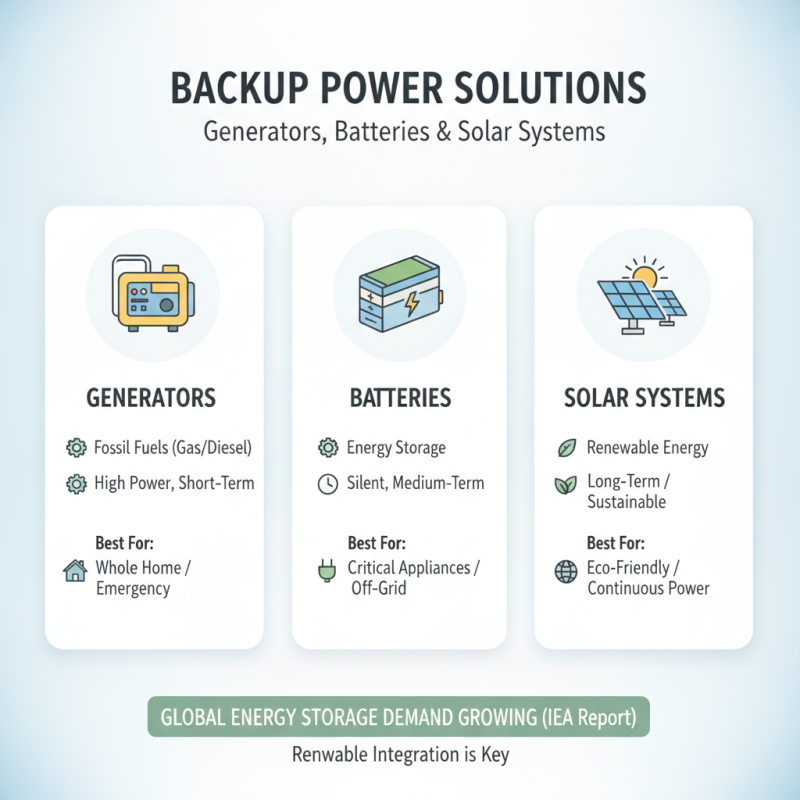
In the quest for reliable backup power solutions, there are three main types to consider: generators, batteries, and solar systems. Each serves a unique purpose and can cater to different needs. According to a report from the International Energy Agency, the global demand for energy storage systems is expected to grow significantly. This trend underlines the importance of integrating renewable solutions, especially solar power, for sustainable energy use.
Generators are often the go-to choice for immediate power needs. They can quickly provide electricity during outages, making them highly effective for emergency situations. However, their reliance on fuel can lead to additional costs and environmental concerns. On the other hand, batteries store energy for later use, offering a cleaner alternative. Market research suggests that battery storage installations could double by 2025, as more homeowners adopt renewable energy sources.
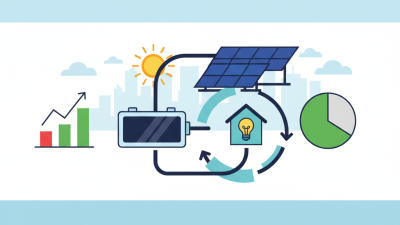
Solar systems are becoming increasingly popular due to their long-term savings and eco-friendliness. Installing solar panels can significantly reduce electricity bills over time. However, initial costs can be high, and performance varies based on geographical location and weather conditions. A recent study indicates that solar power adoption grew by 20% in 2022, reflecting rising consumer interest.
Tip: When choosing a backup power solution, consider your energy needs and local climate. Evaluate the total cost of ownership, not just the initial purchase price. Balancing reliability, sustainability, and cost is key to finding the right solution for your home.
Key Features to Consider When Choosing Backup Power Systems
When selecting a backup power system, several key features should guide your decision. Start with capacity. This refers to how much power the system can provide. Consider your average energy consumption. Make sure to choose a system that meets or exceeds those needs. A reliable option can keep essential appliances running during outages.
Assess the power source of the system. Options may include batteries, generators, and solar panels. Each has its benefits and drawbacks. For instance, batteries offer silent operation but may require frequent recharging. Generators provide immediate power but can be noisy. Solar solutions are sustainable but depend on sunlight.
Tips: Always check the efficiency ratings. A more efficient system will save you money over time. Look for customer reviews. They provide insight into reliability and performance. Lastly, consider the warranty. This can indicate the manufacturer’s confidence in their product.
Top Global Brands and Products for Home Backup Power in 2026
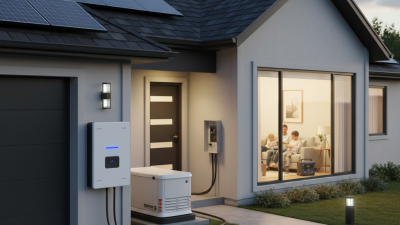
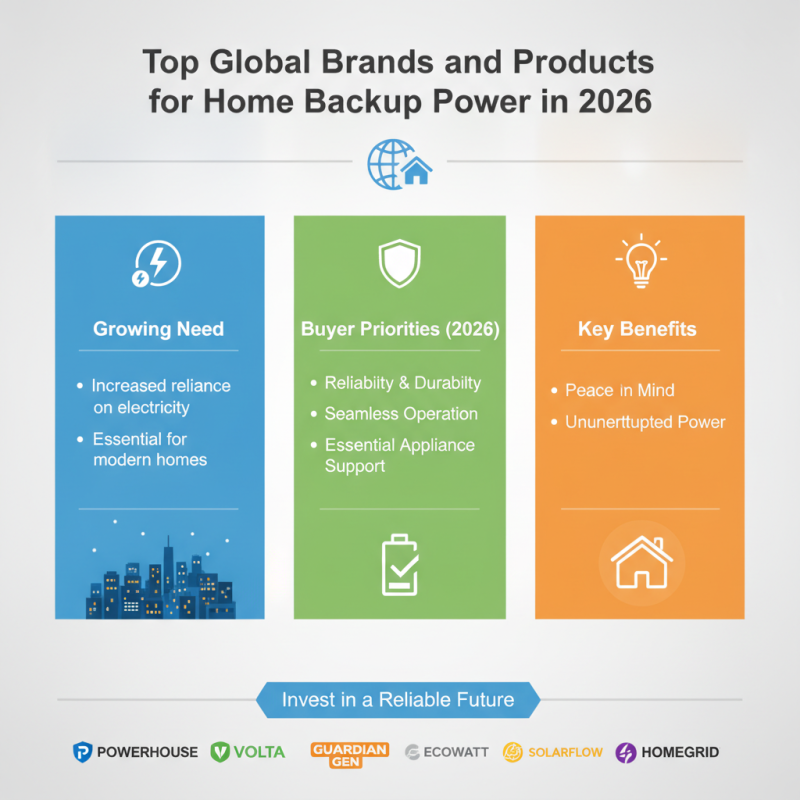
As homes increasingly rely on electricity, backup power solutions become essential. Global buyers are seeking reliable options in 2026. Investing in these systems can provide peace of mind during outages, ensuring that your essential appliances continue running smoothly.
When considering a backup power solution, think about the capacity needed. Assess your home's energy requirements carefully. A unit that is too small may leave you without power when you need it most. It’s essential to evaluate how long you need power for. Some families may need it for hours, while others may require days.
**Tip:** Research the average outage duration in your area. This can help you choose a system that meets your needs effectively.
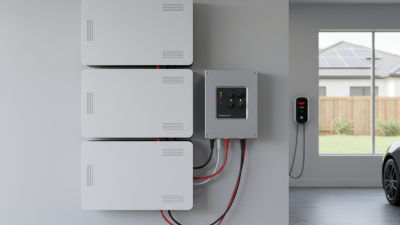
Battery systems are becoming popular. They offer eco-friendly solutions without the noise of traditional generators. However, they may require a more significant upfront investment. It’s worth exploring financing options.
**Tip:** Don't overlook maintenance costs for your backup systems. Regular check-ups can prevent unexpected issues. Sometimes users find themselves unprepared for problems that could have been avoided.
Careful planning and consideration are key to selecting the right backup power solution. Evaluate your needs continuously to ensure you make an informed decision.
Installation and Maintenance Considerations for Backup Power Solutions
When considering backup power solutions, installation and maintenance play crucial roles. Proper installation ensures systems operate efficiently and meets safety standards. A recent report from the Institute of Electrical and Electronics Engineers (IEEE) highlights that nearly 30% of backup systems fail due to improper installation. This statistic underscores the significance of adhering to guidelines.
Maintenance is equally vital. Regular checks can prevent issues that lead to costly repairs. According to a National Renewable Energy Laboratory (NREL) study, homes that conduct biannual maintenance on their power systems see a 25% reduction in downtime. Users should note common maintenance tasks, including battery inspections and filter changes.
Tips: Ensure your installation contractor is licensed and experienced. Look for professionals with at least five years in the industry. Additionally, create a maintenance schedule to stay organized and proactive. Adjust as needed based on system performance. A little effort here can yield significant peace of mind when unexpected outages occur.
2026 Best Home Backup Power Solutions for Global Buyers - Installation and Maintenance Considerations for Backup Power Solutions
| Power Solution Type |
Power Output (kW) |
Installation Complexity |
Average Cost ($) |
Maintenance Frequency |
Fuel Type |
| Portable Generator |
5 |
Low |
600 |
Every 6 months |
Gasoline |
| Inverter Generator |
3 |
Medium |
800 |
Every 6 months |
Gasoline |
| Solar Power System |
5 |
High |
1500 |
Annually |
Solar |
| Home Battery Storage |
10 |
Medium |
7500 |
Every 3 years |
Electricity |
| Whole House Generator |
20 |
High |
5000 |
Every 2 years |
Natural Gas |