Top 10 Benefits of Solar Power for Your Home Worth Considering?
The growing interest in solar power home installations highlights its numerous advantages. Homeowners are increasingly seeking sustainable solutions amid rising energy costs. Solar power offers a cleaner, renewable energy source.
One of the most notable benefits is reduced electricity bills. With solar panels, you can generate your own energy. This independence can lead to significant savings over time. Additionally, solar power home systems can increase property value. Many buyers look for energy-efficient features.
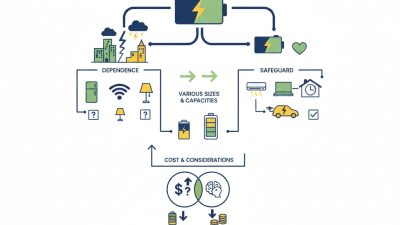
However, some homeowners still hesitate due to initial costs. While prices have decreased, the investment can still be daunting. It's essential to weigh the long-term savings against upfront expenses. Embracing solar power may require a shift in thinking. Yet, the potential benefits make it a compelling option.
Understanding Solar Power: A Brief Overview
Solar power is an exciting energy source for homeowners. It harnesses sunlight to generate electricity. Many people underestimate its potential. Solar panels absorb sunlight and convert it into usable energy. This can significantly reduce electricity bills. Most homes can benefit from converting to solar energy.
However, solar power systems require an upfront investment. Some may wonder if the costs will pay off in the long run. It's essential to evaluate your home's location and sunlight exposure. Not every house has ideal conditions for solar panels. Trees, buildings, or weather can create challenges.
Despite its challenges, solar energy can reduce reliance on utility companies. With technology evolving, more efficient panels are available. Investment returns may vary from home to home. Homeowners should carefully plan their approach to solar energy. It's a decision that could change their energy future.
Top 10 Benefits of Solar Power for Your Home
Cost Savings: How Solar Energy Reduces Your Electricity Bills
Solar energy is an attractive option for homeowners looking to cut down on expenses. By installing solar panels, you can generate your own electricity. This drastically reduces your monthly bills. In some cases, savings can reach hundreds of dollars annually. That's significant in today's economy.
Moreover, solar power can provide long-term stability. Electricity rates fluctuate frequently. With solar, you lock in a fixed cost for your energy. However, the initial investment can be daunting. The installation process sometimes leads to unexpected expenses. It's essential to budget carefully and consider potential repairs.
In addition to savings, solar energy benefits the environment. You reduce reliance on fossil fuels, promoting cleaner air. There's a sense of satisfaction in contributing to sustainability. Yet, it's vital to recognize the challenges. Weather and location impact energy production. Careful planning is crucial before making the switch. These are aspects to reflect on.
Environmental Impact: Benefits of Going Green with Solar Power
Switching to solar power significantly reduces your carbon footprint.
Solar panels harness sunlight, turning it into clean energy. This process helps decrease reliance on fossil fuels, leading to fewer greenhouse gas emissions. Every home that adopts solar contributes positively to combating climate change.
Adopting solar also encourages biodiversity. By using renewable energy, we lessen the need for destructive mining and drilling practices. Wildlife thrives when their habitats remain untouched. However, solar farms need careful planning to avoid disrupting local ecosystems, so it's crucial to approach installation thoughtfully.
Moreover, solar energy usage fosters a culture of sustainability. Homeowners become more aware of their energy consumption habits. Small changes, like turning off unused lights, can lead to significant positive impacts. Yet, some may feel overwhelmed by the initial installation costs. It’s essential to weigh the long-term savings against upfront expenses thoughtfully.
Energy Independence: The Freedom from Utility Companies
Energy independence is a significant benefit of solar power for homeowners. It offers a way to generate your own electricity. This reduces reliance on utility companies. You can install solar panels on your roof. In sunny regions, this can power your entire home. It feels liberating not to depend on fluctuating energy prices.
Being off the grid is an empowering experience. You gain control over your energy usage. However, there are challenges too. Initial installation costs can be high. Maintenance requires attention to avoid problems. Some people hesitate to invest due to these factors. Yet, the freedom from utility bills can be worth it in the long run.
Imagine enjoying a sunny day with your lights on and devices charged, all thanks to solar energy. No bills arrive in your mailbox, and no worries about price hikes. That independence brings peace of mind. It’s about more than savings; it's about self-reliance. Choosing solar can lead to a greener lifestyle and a personal renewable energy source.
Increase in Home Value: How Solar Systems Enhance Property Worth
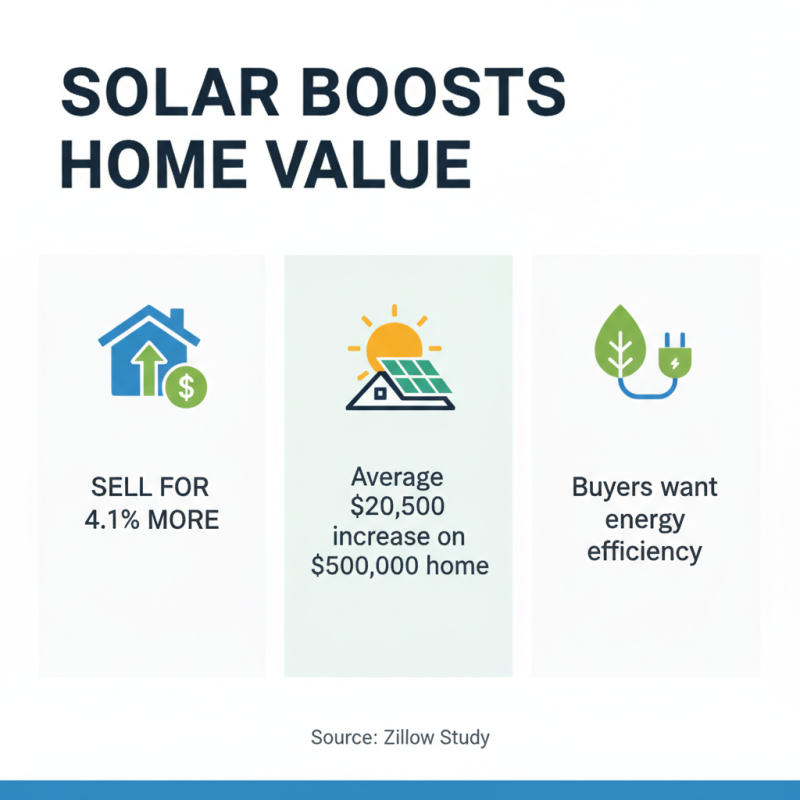
Solar power systems can significantly increase your home's value. A study by Zillow found that homes with solar panels sell for an average of 4.1% more than those without. This may seem modest, but on a $500,000 home, it translates to a $20,500 increase. Buyers increasingly prioritize energy efficiency, reflecting a growing trend in real estate.
Potential buyers view solar systems as a valuable asset. They appreciate the lower electricity bills and the prospect of energy independence. A report from the National Renewable Energy Laboratory suggests that solar systems not only attract buyers but also speed up the selling process. Homes with solar can sell 20% faster compared to traditional homes. However, it’s crucial to ensure proper installation and maintenance to avoid pitfalls.
The return on investment is another angle to consider. While the initial costs can be high, federal incentives can reduce this burden. Despite this, not every installation pays off. Homeowners should conduct thorough research and assess local market conditions. Energy savings vary based on location, and not all solar systems yield the same results. Understanding these factors can help make a more informed decision.