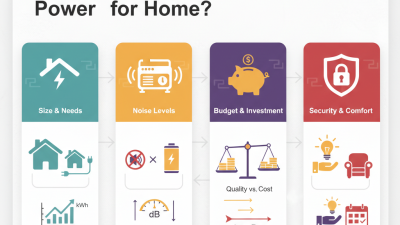
Choosing the best backup power for home is less about buying the largest machine. It is about matching power to real household needs. A refrigerator, medical device, router, and a few lights may require a modest battery system. Heating equipment, pumps, and electric cooking demand far more capacity.
Energy-efficiency expert Amory Lovins said, “The cheapest energy is the energy you don’t use.” That principle matters during an outage. Reducing unnecessary loads can extend battery runtime, lower fuel consumption, and prevent an overloaded system. Small choices matter. Turn off decorative lighting. Keep the freezer closed. Charge phones early.
Homeowners usually compare three options: portable generators, standby generators, and battery energy storage systems. Portable generators can cost less and provide useful short-term power. However, they require outdoor operation, fuel planning, and careful connection procedures. Standby generators offer automatic operation and stronger whole-home coverage. They also need regular maintenance and fuel availability. Batteries run quietly and produce no exhaust at the point of use, but their runtime depends on capacity, weather, and connected loads.
There is no perfect answer. I once underestimated how quickly a water pump could drain a battery. That mistake changed my planning. A professional load assessment is worthwhile. Ask about surge power, transfer equipment, installation quality, and maintenance support. This guide examines the practical differences, hidden costs, and reliability concerns behind each backup power for home option. The best system is the one that protects essential circuits safely, predictably, and within your actual budget.
Home backup power means maintaining essential electricity when the utility supply fails. Its core functions include detecting an outage, isolating circuits safely, powering priority loads, and managing recharge or fuel use. The U.S. Department of Energy’s Quadrennial Energy Review estimated that power interruptions cost the American economy $28 billion to $169 billion annually. That figure explains why backup power is more than emergency convenience.
The best system depends on the home’s critical loads. A battery system can quietly support a refrigerator, router, medical equipment, and several lights. NREL’s 2024 Annual Technology Baseline models residential battery round-trip efficiency at about 85%, depending on system design. That lost energy matters during an extended outage. Portable generators can provide longer runtime, but they require fuel storage, outdoor placement, and careful manual operation. Standby generators respond automatically, though their fuel supply and maintenance deserve attention.
Real homes are messier.
A practical assessment should list each appliance’s starting wattage, running wattage, and expected outage duration. A sump pump may need more power at startup than its label suggests. A battery sized only for average demand could fail at that moment. The honest answer is imperfect: no single backup type fits every household. Homeowners should also check transfer equipment, ventilation, noise, weather exposure, and local safety requirements. Those details often decide whether backup power feels dependable or merely reassuring.
What Is the Best Type of Backup Power for Home?
The best backup system depends on outage length, household loads, and local sunlight. Batteries switch on quickly, operate quietly, and need little routine maintenance. However, they may struggle with heating, well pumps, or long winter outages. The International Energy Agency reported about 42 GW of global battery storage additions in 2023, showing rapid market growth. Yet, growing adoption does not remove sizing mistakes. I once underestimated refrigerator startup power; the battery capacity looked adequate, but the inverter tripped. Generators offer longer runtime when fuel is available. They also produce noise, emissions, and recurring maintenance needs.
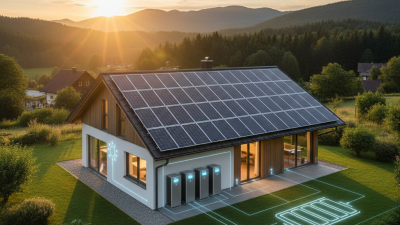
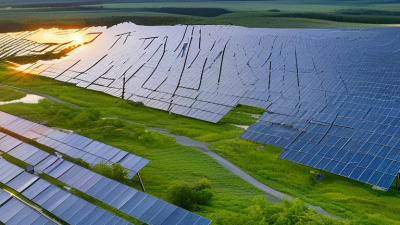
Solar panels reduce daytime fuel use, but they cannot provide reliable backup alone. A battery must store daytime production for evening outages. Hybrid systems combine solar, batteries, and a generator. They can reserve fuel for extended emergencies while using solar first. The trade-off is complexity. More equipment means more controls, inspections, and possible failure points. The U.S. Energy Information Administration reports that residential electricity use averages roughly 900 kilowatt-hours monthly, but individual homes vary sharply. That figure should not determine your system size.
Tips: List essential circuits, not every appliance. Measure starting watts for pumps and motors. Plan for at least 24 hours of critical loads. Keep fuel fresh and test the system monthly. Never run a generator indoors or near open windows. Have a qualified electrician install the transfer equipment. Recheck the design after adding an appliance, because yesterday’s estimate may already be wrong.
| Backup System | Typical Residential Capacity | Usable Runtime | Initial Cost Range* | Fuel or Energy Source | Noise Level | Emissions During Operation | Key Advantages | Main Limitations | Best Use Case | Overall Fit for Home Backup |
|---|---|---|---|---|---|---|---|---|---|---|
| Battery Energy Storage System | 5–30 kWh of stored energy; commonly paired with a 3–12 kW inverter | Approximately 4–24 hours, depending on battery size and household load | About $5,000–$20,000 installed, excluding major electrical upgrades | Electricity charged from the grid or another generation source | Very quiet | None at the point of use | Instant transfer; low maintenance; can power sensitive electronics; suitable for indoor or outdoor installation when properly certified | Limited energy capacity; performance depends on temperature and battery age; may require a larger system for long outages | Short outages, essential-load circuits, apartments, and areas with strict noise restrictions | ★★★★☆ Excellent for quiet, fast backup |
| Portable Fuel Generator | 2–10 kW, depending on the model and load requirements | Several hours per tank; can continue operating while fuel is safely available | About $500–$3,000 for the generator and basic connection equipment | Usually gasoline, propane, or dual-fuel operation | Approximately 60–75 dB | Produces combustion emissions | Low upfront cost; portable; can run high-wattage appliances; useful for occasional emergencies | Manual setup and refueling; fuel storage concerns; cannot be operated indoors or in enclosed areas because of carbon monoxide risk | Budget-conscious households needing occasional emergency power for refrigerators, lights, and selected appliances | ★★★☆☆ Affordable but less convenient |
| Standby Generator | 8–26 kW for many homes; larger systems can support higher loads | Multiple days, provided the fuel supply remains available and maintenance requirements are met | About $5,000–$15,000 installed, depending on capacity, transfer equipment, and site work | Natural gas, propane, or diesel, depending on local availability | Approximately 60–75 dB | Produces combustion emissions | Automatic startup; long-duration capability; can support central heating, pumps, refrigeration, and other major loads | Higher installation and maintenance costs; fuel supply may be interrupted; requires outdoor placement and proper ventilation clearances | Homes requiring automatic, whole-home or large-load backup during extended outages | ★★★★☆ Strongest option for long outages |
| Solar Photovoltaic System Alone | Typically 3–10 kW of solar generation for a residential installation | Only while sunlight is available and the system is designed to operate during grid outages | About $10,000–$30,000 installed before incentives; varies by system size and location | Sunlight | Silent | None at the point of use | Reduces daytime electricity purchases; renewable generation; low operating cost after installation | Most standard grid-tied solar systems shut down during an outage unless paired with approved backup equipment; output varies with weather and daylight | Reducing electricity bills and supporting daytime loads when grid-interactive backup capability is included | ★★★☆☆ Not a complete backup solution by itself |
| Solar Plus Battery Hybrid System | 5–30 kWh of battery storage with approximately 3–15 kW of solar generation | One to several days, depending on battery capacity, sunlight, weather, and household consumption | About $15,000–$45,000 installed before incentives | Solar energy, stored electricity, and optional grid charging | Very quiet | None at the point of use | Can recharge during daylight; reduces dependence on fuel; supports essential circuits and may provide extended backup | Highest upfront cost among common residential options; cloudy weather and winter production can reduce recharge capability | Homes seeking renewable energy, quiet operation, energy-cost reduction, and improved outage resilience | ★★★★★ Best all-round balance where budget allows |
| Hybrid Battery and Generator System | 5–30 kWh of battery storage plus a 5–26 kW generator | Potentially several days or longer, subject to fuel availability and battery management | About $12,000–$40,000 installed, depending on system size and controls | Stored electricity plus propane, natural gas, diesel, or another approved fuel | Quiet to moderate; generator runs as needed | Generator produces emissions when operating | Battery handles short loads quietly; generator supports long outages; automatic controls can reduce fuel consumption and generator runtime | Complex design and installation; higher maintenance requirements than a battery-only system; requires both battery and fuel infrastructure | Areas with frequent or extended outages where quiet short-term power and long-duration backup are both important | ★★★★★ Best for maximum resilience |
The best backup power depends on capacity, runtime, installation, and safety. For most homes, a battery energy storage system offers quiet, automatic protection for short outages. A fuel generator can run longer, but it needs outdoor placement, fuel storage, and a properly installed transfer switch. The U.S. Energy Information Administration reported 8.1 average interruption hours per customer in 2020, including major events. That figure includes severe storms, so it may overstate ordinary outage needs.
Capacity is not runtime. A refrigerator, router, lights, and medical equipment may draw about 1,000 watts together. A 10-kWh battery could theoretically run them for ten hours, but inverter losses and reserve settings reduce that estimate. NREL’s 2024 Annual Technology Baseline uses a 5-kW, 12.5-kWh residential battery reference case. Real household demand is less tidy. A heating system or well pump can sharply increase peak power. My first rough estimate would probably be too optimistic.
Installation details matter. A battery should use listed equipment, protected wiring, and qualified electrical work. NFPA 855 addresses stationary energy storage installation and fire safety. Generators must stay outside, away from doors and windows, because carbon monoxide can enter unnoticed. Batteries also need adequate clearances, temperature control, and inspection access. A transfer switch prevents dangerous backfeeding into utility lines. During planning, record startup watts, daily energy use, outage duration, and the loads that truly cannot stop.
A comparison of typical capacity and operating time, with installation and safety considerations.
Values are representative non-brand figures. Runtime estimates assume typical household use and vary with load, battery condition, fuel supply, weather, and installation configuration.
The best backup power depends on your household, not a universal ranking. Start by listing essential loads: the refrigerator, medical equipment, heating controls, internet router, and a few lights.
A small battery system may suit an apartment with short outages and limited storage space. It runs quietly and needs little routine attention. However, its usable capacity can fall during cold weather, and recharge time depends on sunlight or grid availability.
A fuel-powered generator can support larger loads for longer periods. It may fit a detached home facing frequent storms or extended grid failures. Yet fuel storage requires careful planning, ventilation, and rotation.
Never operate a combustion generator indoors, inside a garage, or near open windows. A qualified electrician should install the transfer equipment and verify local electrical requirements. That detail matters.
Hybrid setups can balance convenience and endurance. A battery can handle nighttime essentials, while another source supports longer interruptions. In practice, homeowners often underestimate startup demand from pumps, freezers, and motors. Measure those surges before choosing capacity.
Keep it dry. Leave clear access around the equipment. I would also question impressive runtime claims, because real homes rarely use power in perfectly steady patterns. A simple load test during an outage may reveal uncomfortable gaps. As needs change, the safest system may change too.
Choosing backup power is less about maximum wattage than daily reality. A battery system starts quietly during an outage and needs little routine attention. It suits refrigerators, lights, routers, and essential medical equipment. Its weakness is duration. Several cloudy days or heavy heating loads can empty it quickly. Upfront installation also costs more than many fuel generators.
A fuel generator usually costs less initially and can run for days with stored fuel. Yet fuel must be rotated, engines need servicing, and testing creates noise and fumes. Never operate one indoors or near open windows. A proper transfer switch and licensed installation reduce electrical hazards. I have seen households underestimate startup surges from pumps and freezers. That mistake leaves a powerful unit struggling.
Solar paired with batteries can reduce running costs and local pollution, especially where outages repeat. Its environmental benefit depends on battery manufacturing, lifespan, recycling access, and the local electricity mix. Cold weather can reduce battery performance. Heat can accelerate degradation. I would compare five-year costs, expected outage length, maintenance hours, and repair availability before buying. My preference changes with the house: a small battery for short outages, or a generator where long winter interruptions are common. Neither choice is perfect. A written load list often reveals that less capacity is needed than expected.