Best Backup Power Solutions for Home in 2026?
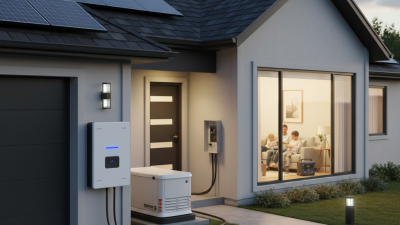
In an era where power outages are becoming more common, the need for backup power for home has never been more critical. Families are increasingly seeking reliable solutions to ensure their everyday lives continue smoothly during unexpected outages. With advancements in technology, several options stand out in 2026. Solar generators, battery backup systems, and portable power stations are now popular choices.
Each solution offers unique benefits and considerations. Solar generators help harness renewable energy, making them eco-friendly. Meanwhile, battery backup systems provide a stable power source for essential appliances. However, the initial costs and maintenance are aspects to ponder. Portable power stations are convenient but may lack the capacity for larger homes.
Choosing the right backup power for home requires careful thought. Each option presents trade-offs that may impact long-term satisfaction. As we navigate these choices, it’s essential to weigh our specific needs against what each solution provides. This reflection can lead to a more sustainable and resilient home power strategy.
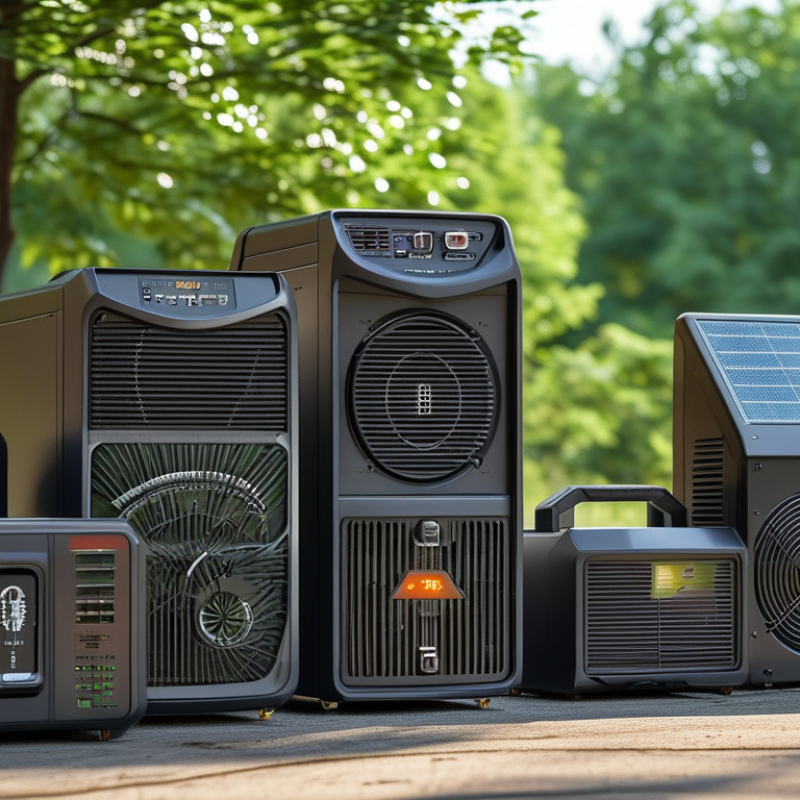
Overview of Backup Power Solutions for Homes in 2026
The demand for backup power solutions in homes continues to grow as unpredictable weather and grid failures become more common. Homeowners now seek reliable systems to ensure continuous power supply. In 2026, numerous options are available, ranging from battery storage systems to portable generators. Each solution has its strengths and limitations, making it essential to evaluate personal needs carefully.
When considering backup power, look at your energy requirements. Calculate how much energy your home uses during outages. This will help you choose a system that fits your needs. It's also crucial to think about space and installation. Some units are bulky and require dedicated space, while others can be installed discreetly.
Maintenance is another aspect that homeowners often overlook. Regular checks and tests are vital to ensure smooth operation when needed. Batteries may degrade over time, and generators need fuel and upkeep. Ignoring these factors can lead to frustrating outages. Familiarize yourself with common issues that may arise. Engaging with community forums can provide insights and support from experienced users.
Types of Backup Power Systems: Generators, Batteries, and Inverters
When considering backup power solutions for homes, it's essential to explore different types of systems.
Generators are one popular option. They provide substantial power during outages. However, they can be noisy and require regular maintenance.
Choosing the right generator also depends on fuel type. Gasoline, propane, and diesel options each have pros and cons.
Batteries are another effective solution.
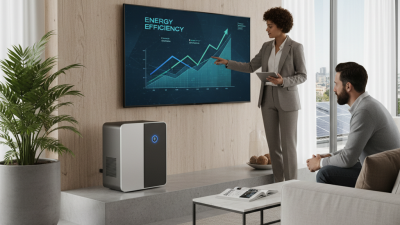
They store energy and can power essential appliances quietly. With advances in technology, battery systems have become more reliable.
It's critical to understand charging times and overall capacity when selecting a battery system. Not all homes benefit equally from battery setups;
factors like usage patterns matter significantly.
Inverters convert DC power to AC power, making them useful for solar setups.
They allow you to use generated energy more effectively. However, the efficiency of inverters can vary. A poorly chosen inverter can lead to energy losses.
It’s vital to assess the compatibility with your existing systems. Each power solution comes with its complexities, urging homeowners to evaluate their specific needs carefully.
Key Features to Consider When Choosing Home Backup Power Solutions
When choosing a backup power solution for your home, several key features come into play. First, consider the capacity of the system. This is crucial. You need to ensure it can handle your essential appliances. The size can vary significantly, influencing both cost and performance. Aim for a system that covers your basic needs during an outage.
Another aspect to focus on is the run time. How long will the backup power last? This can depend on the fuel source used, whether it's gas, solar, or battery-operated. Solar options might require a sunny day to stay effective, while gas can be more consistently reliable. However, storage issues can arise with battery systems, possibly leading to unexpected shortfalls.
Portability is also vital for some homeowners. If your system is difficult to move, it becomes less practical. For those living in areas with frequent outages, ease of setup is essential. Lastly, think about maintenance. Some systems may require regular checks to ensure reliability. Missing these steps can lead to your backup failing when you need it the most. Balancing these considerations is necessary for a dependable home backup solution.
Best Backup Power Solutions for Home in 2026
This chart illustrates the average power output of various backup power solutions for homes in 2026. The data showcases how different technologies compare in terms of their capacity to provide power during outages.
Renewable Energy Integration: Solar and Wind Options for Homeowners
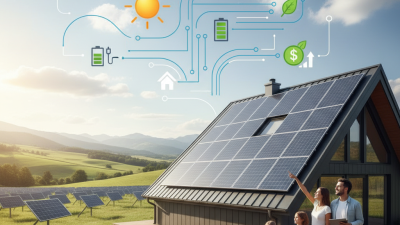
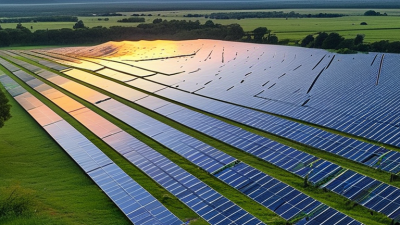
As homeowners increasingly prioritize sustainability, integrating renewable energy sources into backup power solutions becomes essential. Solar panels are a popular choice for harnessing the sun's energy. They can significantly reduce reliance on traditional power grids. Homeowners often find that installing solar panels results in lower electricity bills. However, proper placement and orientation matter greatly. Poor installation can hinder efficiency and energy capture.
Wind energy is another viable option. Small residential wind turbines can generate enough power for an average home. Locations with consistent wind patterns are best suited for this technology. Homeowners should assess local regulations and zoning laws before installation. There are challenges associated with wind energy, including noise and aesthetics that must be considered.
Combining solar and wind systems offers even greater potential. A dual approach can ensure a steady energy supply. This combination allows households to take advantage of sunny days and windy conditions. However, integrating both systems can be complex. Local climate and energy needs need thorough evaluation. Achieving the best results requires careful planning and professional guidance. Such considerations can lead to improved energy reliability.
Best Backup Power Solutions for Home in 2026
| Solution Type |
Capacity (kWh) |
Renewable Integration |
Average Cost ($) |
Run Time (Hours) |
| Solar Battery Storage |
10 |
Yes |
7,500 |
8 |
| Hybrid Generator |
8 |
Yes |
3,000 |
12 |
| Wind Turbine System |
5 |
Yes |
4,500 |
24 |
| Portable Power Station |
2 |
No |
1,200 |
6 |
| Backup Lithium-ion Systems |
15 |
Yes |
8,000 |
10 |
Cost Analysis and Budgeting for Backup Power Solutions in 2026
Choosing the right backup power solution for your home in 2026 requires careful planning and budgeting. Costs can vary significantly based on the technology you select. Solar power systems, battery backups, and generator options each have different price points. A solar setup may initially seem expensive, yet potential cost savings in the long run can make it worthwhile. Generators often have lower upfront costs but might incur higher fuel expenses over time.
When budgeting, consider not just the purchase price. Installation costs can add up quickly. Remember to include maintenance expenses, which are often overlooked. Regular upkeep is crucial for longevity and efficiency. Without it, your system might fail when needed most. It's essential to learn about these ongoing costs to calculate the total investment accurately.
Evaluate your energy needs realistically. Certain solutions may seem appealing due to low initial costs, but they may not provide adequate power during outages. Always consider your home's unique demands. Investing in a more suitable solution can ultimately save you money. Prioritize reliability over initial savings when choosing a backup power source. This way, you ensure peace of mind and comfort during unexpected outages.