10 Best Home Backup Power Solutions for a Reliable Energy Supply?
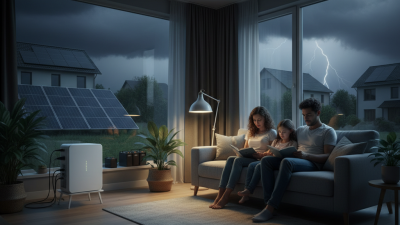
In today's world, the need for reliable home backup power solutions has never been more crucial. Frequent power outages disrupt our daily lives, affecting work, safety, and comfort. According to the U.S. Energy Information Administration, over 80% of American households experience some form of power interruption each year. This alarming statistic emphasizes the growing demand for effective home backup power systems.
Expert in energy solutions, Dr. Emily Carter, highlights the gravity of this issue: “Every home should consider backup power options to ensure continuous support during outages.” The increasing frequency of extreme weather events further compounds this concern. As the climate crisis intensifies, homeowners must reassess their energy strategies to maintain a steady power supply.
Investing in home backup power systems can offer peace of mind. However, not all options suit every situation. Choosing the right solution requires careful consideration of individual needs and local conditions. As energy demands rise, so too does the responsibility of each homeowner to ensure they are prepared for disruptions. This pursuit of reliability in our energy supply cannot be taken lightly.
Overview of Home Backup Power Solutions
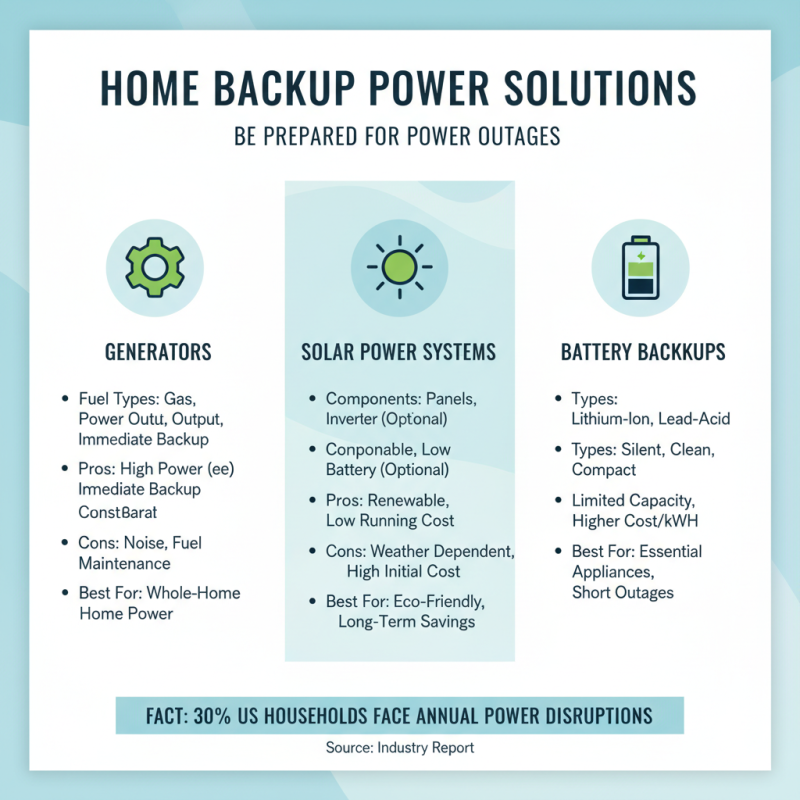
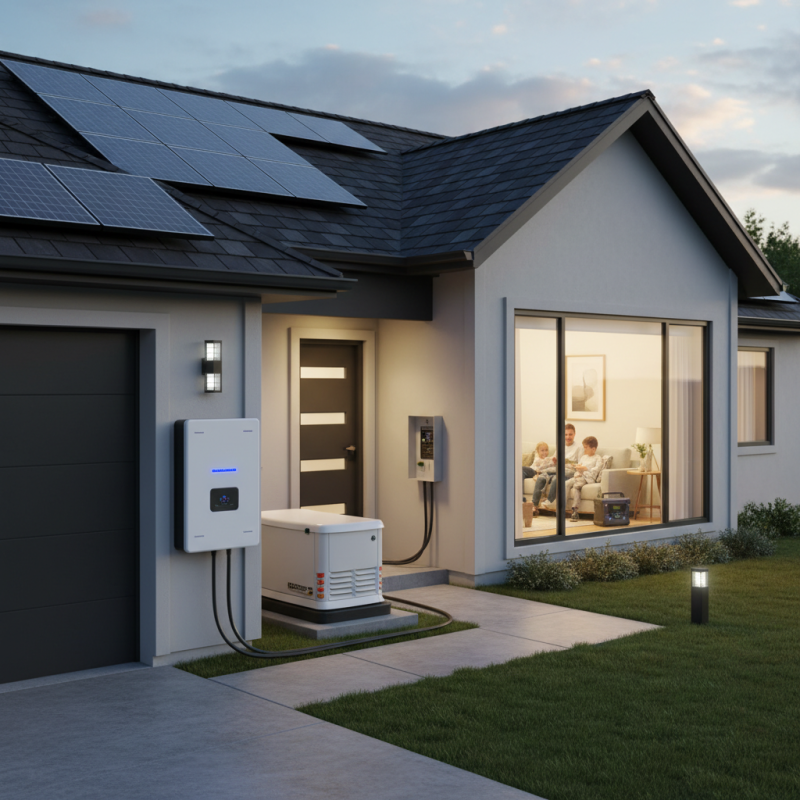
As power outages become more frequent, understanding home backup power solutions is crucial. A report shows that over 30% of households experience power disruptions annually. This highlights the importance of having reliable backup options. Solutions range from generators to solar power systems and battery backups. Each has unique benefits and challenges.
One popular choice is portable generators. They are versatile and can power essential appliances. However, they require fuel and regular maintenance. Solar power systems offer a cleaner alternative. They harness sunlight and reduce electricity costs over time. Still, they have high initial installation costs and may not provide enough energy during prolonged outages.
**Tips:** Consider the wattage you need for your essentials. Calculate power requirements before choosing a system. For those with space limitations, battery backups on a smaller scale might meet basic needs. Always evaluate local weather patterns. Some solutions might suit specific climates better than others. Choose wisely to ensure a reliable energy source when needed.
Types of Backup Power Sources for Home Use
When considering backup power for your home, there are several types to explore. Generators are popular. They can run on gasoline, propane, or diesel. These portable units offer power during outages. However, they often require maintenance and a steady fuel supply, which can be a hassle.
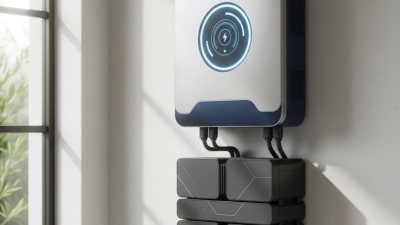
Battery backup systems are another option. They store energy from the grid or solar panels. When the power goes out, they release stored energy. This system is quieter than generators. Yet, their capacity may be limited for larger homes.
Tips for choosing the right solution: calculate your energy needs first. This helps ensure you select a system that meets your requirements. Regular testing of your backup system is important too. It helps identify any issues before an outage occurs. Also, think about safety and ventilation when using generators indoors.
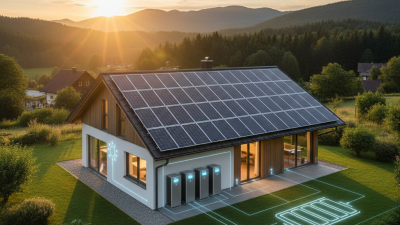
A solar power storage system is eco-friendly. It captures solar energy, providing a sustainable backup option. But the initial costs can be high. Reflect on your budget and long-term energy needs before investing. Each solution has weaknesses. Choosing wisely makes all the difference when reliability matters.
10 Best Home Backup Power Solutions for a Reliable Energy Supply
Key Factors to Consider When Choosing a Backup Power Solution
When considering a backup power solution, it's crucial to assess your energy needs. Determine how much power your essential appliances require. A refrigerator, for example, may need 100 to 800 watts. If you rely on medical equipment, this number can spike. Take a moment to list these essentials. This simple step helps you avoid power shortages during an outage.
Another vital factor is the type of backup system. Options include generators, battery systems, and solar power. Generators can offer high wattage but can be noisy and require fuel. Battery systems are quieter and often easier to maintain. Solar backups are eco-friendly but may not provide enough power during long outages. Reflect on your lifestyle. A solution that fits your needs might not be the most popular one.
Consider the runtime as well. How long can the backup supply your home? Some solutions last just a few hours, while others can run for days. This detail is often overlooked but is essential for long-term outages. Evaluate the initial cost versus long-term savings. Some systems are more expensive upfront but may save money over time. Balancing these factors requires honest reflection on your energy habits and future needs.
Top 10 Home Backup Power Solutions Reviewed
In today's world, reliable energy supply is crucial. A home backup power solution ensures continuous power during outages. According to industry reports, about 25 million households in the U.S. rely on backup systems. This number is rising as extreme weather events become more common. The right solution can also mitigate energy costs in the long run.
When selecting a backup power option, consider your home’s energy needs. Many systems range in capacity, from small solar generators to powerful whole-house solutions. Look for units with user-friendly monitoring systems. This feature helps track energy consumption effectively. However, installation can be complex, requiring professional assistance. Don't overlook that aspect.
**Tip:** Before buying, evaluate your appliances' wattage. Make sure the system matches your requirements.
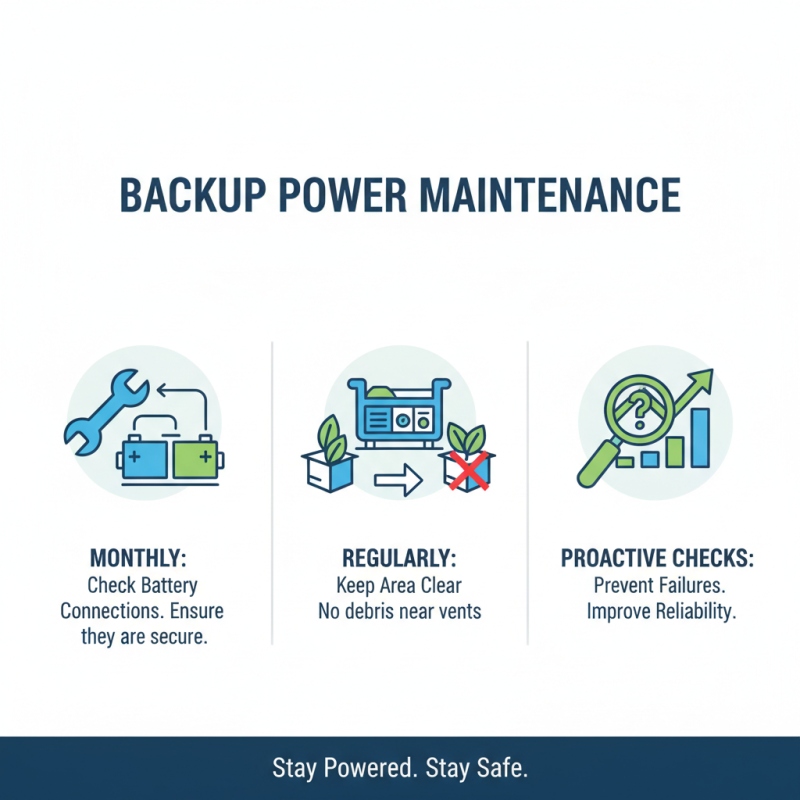
Maintenance is key for reliable performance. Regular checks can prevent system failures. Some users forget to perform these checks, leading to unexpected outages. Assess your options thoroughly. A little research goes a long way in enhancing your home’s energy resilience. Choosing wisely can also increase your home’s value.