
China Top 10 Structural CDX Plywood Suppliers

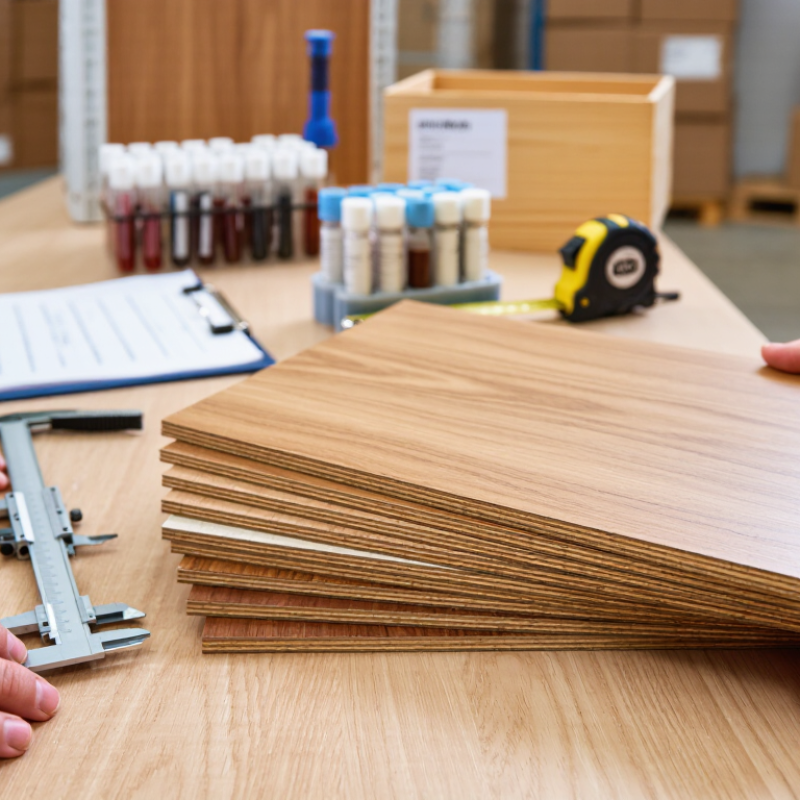
China’s structural plywood market is broad, but product names can hide important differences. CDX is a familiar North American sheathing grade, not a universal guarantee of performance. Buyers comparing China-based suppliers should check panel thickness, veneer quality, bond classification, and documented testing. Small details matter. A square, clean-cut sample can reveal uneven veneers, open edges, or inconsistent thickness before a container ships.

Industry data offers useful context, but it cannot certify an individual factory. The FAO’s Forest Products Yearbook tracks plywood production and trade by country, while ITTO’s Biennial Review and Assessment of the World Timber Situation provides additional market and trade context. For technical evaluation, the APA Engineered Wood Construction Guide explains how structural panels are specified and applied. These references help frame supplier questions; they do not replace current mill reports or independent product testing. Cdx Plywood Structural buyers should request recent test results, applicable standards, production capacity, and export references, then verify that certificates match the exact product and factory. A supplier’s website is only a starting point. This ranking-style guide compares ten Chinese suppliers through practical criteria, including product range, quality controls, communication, and shipment readiness. The evidence may be uneven, and that deserves attention. Verify claims before placing an order.
China Top 10 Structural CDX Plywood Suppliers

Structural CDX Plywood: Composition, Grades, and Key Applications

China Top 10 Structural CDX Plywood Suppliers

Structural CDX Plywood: Composition, Grades, and Key Applications

Structural CDX plywood is made from thin wood veneers, with neighboring layers oriented at right angles. This cross-grain construction helps panels resist splitting and distribute loads. CDX commonly describes a C-grade face, a D-grade back, and an Exposure 1 bond classification. It does not mean waterproof. The U.S. Department of Commerce’s PS 1-19 standard sets requirements for structural plywood manufacture and grading. A rough D face may contain visible knots and patches; appearance is not its main selling point.

Grades and span ratings guide practical selection. APA’s Engineered Wood Construction Guide explains the 24/16 span rating: under specified installation conditions, panels may span supports 24 inches apart for roof sheathing and 16 inches apart for subflooring. Actual suitability still depends on panel thickness, loads, fastening, and local design requirements. Check the stamp. It carries key information on grade, bond classification, and span rating.

Common applications include roof sheathing, wall sheathing, and subfloors in framed buildings. For example, a crew may fasten panels across roof rafters before installing the roof covering. Exposure 1 panels can tolerate limited construction moisture, but should not be treated as permanently weatherproof. That distinction is easy to overlook. Even a correctly graded panel can perform poorly if edges stay wet or fasteners are spaced incorrectly.

China’s CDX Plywood Industry and Its Main Manufacturing Regions

China’s CDX plywood supply base sits within a much larger wood-panel industry. The China National Forest Products Industry Association reported about 346.7 million cubic metres of wood-based panel output in 2023; plywood made up roughly three-fifths. This scale supports a wide supplier network, but total output does not indicate how much meets a buyer’s CDX specifications.

Manufacturing is concentrated in Shandong, Jiangsu, Zhejiang, Guangxi, and Hebei. Linyi in Shandong is a prominent plywood-processing and trading hub, with mills, veneer producers, and logistics services close together. Southern factories can draw on different timber and plantation-fibre supply chains. That changes core materials, lead times, and product consistency. Not all panels qualify.

CDX is a North American market grade, not a single nationwide Chinese certification. Buyers should confirm face and core species, glue-bond classification, thickness tolerance, and test documentation for each order. China’s 2023 industry figures describe broad panel production, not CDX-grade output. That distinction is easy to overlook. It also means supplier comparisons need product-level evidence, rather than regional reputation alone.

Criteria for Evaluating Structural CDX Plywood Suppliers

When comparing structural CDX plywood suppliers, look beyond quoted price and ask how each panel is graded. Request current product data showing thickness, veneer grade, bond classification, and intended use. Details matter. A supplier should explain what “CDX” means in its own product documentation, since grading and performance claims need supporting evidence. Check whether certificates identify the actual mill and product, not just a trading office. Ask for evidence.

Samples can reveal issues that paperwork misses. Inspect panel edges for open gaps, check thickness at several points, and note whether sheets arrive flat and dry. For a project with load requirements, have a qualified professional confirm that the stated grade and span data suit the design. Also ask how batches are identified and how moisture exposure is managed during storage and transport.

A neat sample is not proof of consistent production; request batch records or recent inspection results. Some buyers focus too heavily on a single test report. That is understandable, but one report may not represent every shipment. Compare response times, packaging details, replacement procedures, and the supplier’s willingness to answer technical questions clearly. A hesitant answer is worth noticing.

Profiles of 10 Structural CDX Plywood Suppliers in China

The profiles below describe ten common supplier models, not an audited company ranking. FAO’s Forest Products Yearbook 2022 identifies China as the world’s largest wood-based panel producer. That scale offers buyers broad sourcing options, but output volume alone does not prove structural performance. Veneer-integrated mills control more of their raw material; coastal export mills often coordinate container loading efficiently. Poplar-focused producers may offer lighter panels, while eucalyptus specialists can supply denser faces. Mixed-species mills provide flexibility, though core consistency deserves close inspection.

Dimension-customization suppliers cut panels to project sizes, reducing site waste when tolerances are clear. Construction-panel specialists may be better equipped for repeat orders and documented production checks. Small-batch makers can support trials, but capacity and lead times may fluctuate.

Testing-oriented mills can provide bond and moisture records; confirm that reports match the exact panel construction. Trading houses with mill partners simplify communication, yet buyers should identify the actual manufacturing site. A smooth sample is not enough.

For CDX-style procurement, specify thickness, veneer species, adhesive performance, intended exposure, and applicable structural grade in writing. Ask for current test documentation, edge-sealed samples, and batch-level traceability. Requirements differ by destination and project, so “CDX” on a quotation should not replace verification against the relevant standard. One weakness: paperwork can look cleaner than a panel edge. Check both before approving production.

Comparing Suppliers by Quality, Capacity, Certifications, and Export Support

China’s top structural CDX plywood suppliers should be compared on more than price. Check panel thickness, veneer gaps, surface patches, and bonding consistency. Ask for recent production samples, then inspect edges and faces under good light. Small defects matter when panels face repeated handling on a job site.

Capacity needs evidence. Request monthly output, typical lead times, and a clear plan for peak-season orders. A large factory can still miss a shipment if raw materials run short. Review certification documents carefully: confirm the issuing body, product scope, and expiry date. Export support also counts. Reliable packing details, moisture protection, and accurate shipping documents can prevent avoidable delays. A polished presentation is useful, but it does not prove consistent quality. I would verify claims against sample inspections and order records.

Tips: Compare written specifications, not sales promises. Ask how production batches are checked, and keep the answer on file. If a supplier cannot explain a test result clearly, pause before placing a large order.