How to Choose the Best Power Solutions Solar for Your Home?

Choosing the right power solutions solar for your home can be challenging. Many options exist, each with unique features. The right choice impacts your energy bills and your carbon footprint. It's essential to consider various factors carefully.

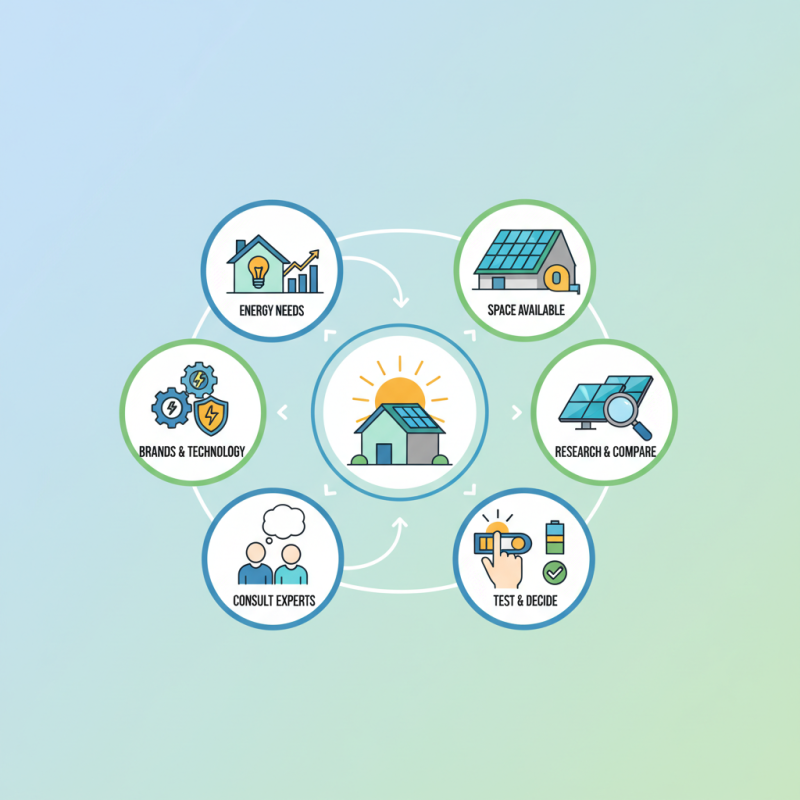
When selecting solar power solutions, evaluate your energy needs. Consider how much energy your home consumes daily. A detailed understanding helps you pick suitable solar panels and inverters. Also, reflect on the space available for installation. Some homeowners underestimate the area required for effective solar systems.

Research different brands and technologies. Not all products deliver the same efficiency. Some may offer great warranties but fall short on performance. It's vital to weigh these aspects. Making a hasty decision could lead to regrets later. Consult with experts when in doubt. Engaging with professionals can provide clarity. Test different options before finalizing your decision.
How to Choose the Best Power Solutions Solar for Your Home?

Understanding Your Energy Needs for Solar Power Solutions

How to Choose the Best Power Solutions Solar for Your Home?

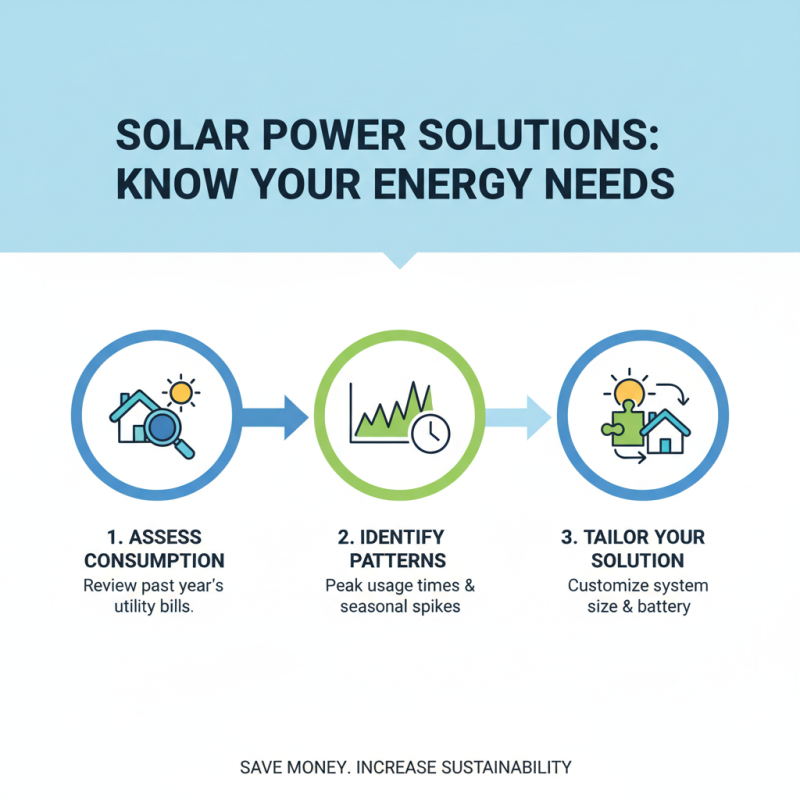
Understanding your energy needs is the first step when considering solar power solutions for your home. Start by assessing your current energy consumption. Look at your utility bills for the past year. Identify peak usage times and patterns. Are there specific months when usage spikes? These details will help tailor your solar solution.

Next, think about future changes. Will your family grow? Are you planning to buy new appliances? These factors can increase your energy needs. You might need a larger solar system to accommodate additional power consumption. Evaluating your energy goals is also crucial. Do you want to be fully off-grid, or is a hybrid solution enough?

Lastly, consider energy efficiency. Upgrading insulation or windows can lower your energy demand. These improvements make your solar power system more effective. Reflect on the balance between efficiency and output. Sometimes, the ideal system is not the largest, but the one that fits your lifestyle.

Evaluating Different Types of Solar Power Systems for Home Use

How to Choose the Best Power Solutions Solar for Your Home?

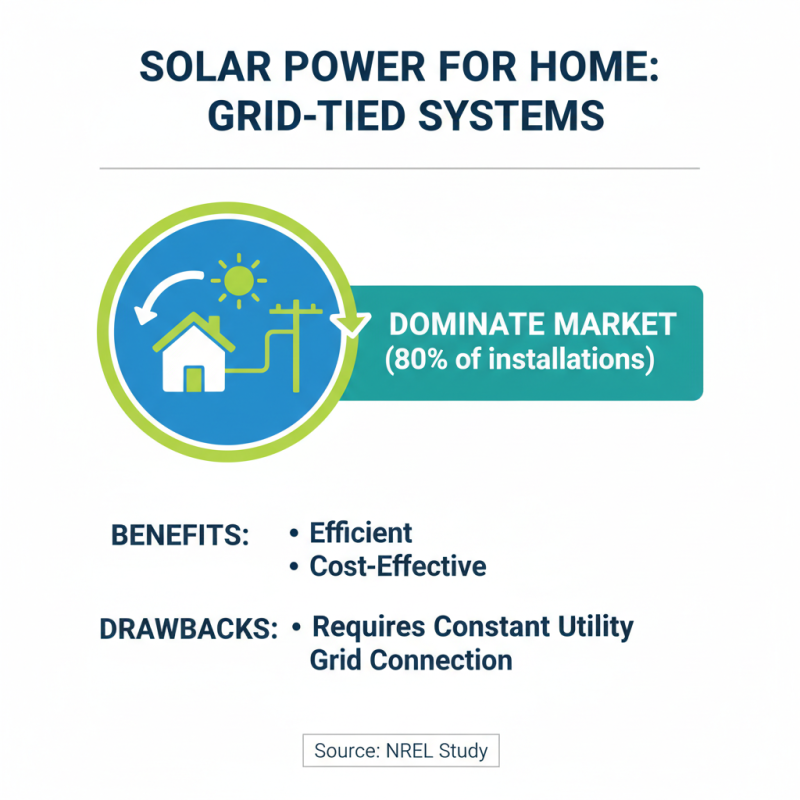
When evaluating solar power systems for home use, several options emerge. Each type of system has unique benefits and drawbacks. A study by the National Renewable Energy Laboratory (NREL) found that grid-tied systems dominate the market, accounting for about 80% of installations. These systems are efficient and cost-effective, but they require a constant connection to the utility grid.

Off-grid systems are another option. They are ideal for remote locations. However, they can be more expensive due to battery storage needs. According to the Solar Energy Industries Association (SEIA), these systems often lead to a 20-30% increase in initial investment. Many homeowners may underestimate the importance of battery life and maintenance.

Hybrid systems combine the best of both worlds. They offer flexibility and can operate independently from the grid. Yet, these systems can complicate installation and increase costs. A report by Renewable Energy World indicated that while hybrids are growing in popularity, many buyers do not fully understand the technology. This can lead to costly mistakes down the line. Understanding these options is crucial for making informed choices.

Factors to Consider When Choosing a Solar Power Provider

When selecting a solar power provider, several factors come into play. Consider the reputation and experience of the provider. A company with a solid track record is often more reliable. Look for reviews and customer testimonials. These insights can reveal potential issues or highlight strengths.

Tips: Check the company's certifications and licenses. These are crucial for ensuring quality. A well-licensed installer can comply with local codes. Inspect their project portfolio. This provides a glimpse of their work quality.

Another essential factor is the warranty and maintenance services offered. A good warranty protects your investment. It shows confidence in the product. Also, consider the technology they offer. Some providers may provide older, inefficient systems. It’s vital to choose modern solutions that maximize energy output.

Tips: Ask about their customer support. Accessible help can make a big difference if issues arise. Understand the financing options available. Unclear financing can lead to confusion later. Be wary of any hidden fees; transparency is key.

Power Solutions Solar Provider Comparison

Assessing the Cost-Effectiveness of Residential Solar Solutions

When assessing the cost-effectiveness of residential solar solutions, it’s essential to analyze several factors. Start by evaluating your energy consumption. Knowing how much energy you use helps you determine the appropriate system size. A larger system may produce more energy but could cost substantially more.

Consider the installation costs and potential rebates or incentives. Some areas offer financial incentives, which can reduce your upfront costs. Calculate the break-even point to understand when your investment will start paying off. Don’t forget to factor in maintenance costs, too. Solar panels generally require little maintenance, but wear and tear can add up over time.

Tips: Research local solar providers. Compare installation quotes and warranties before making a decision. Ensure you check reviews for reliability. Seek feedback from neighbors who have installed solar systems. Their experiences can be insightful and revealing.

Evaluate the long-term savings on your energy bill. Many homeowners report significant savings after installing solar. However, these savings depend largely on local energy rates. Be cautious and don't rush into a decision. Reflect on your lifestyle and future energy needs.

How to Choose the Best Power Solutions Solar for Your Home? - Assessing the Cost-Effectiveness of Residential Solar Solutions

Type of Solar Solution Initial Cost ($) Average Monthly Savings ($) Payback Period (Years) Estimated Lifetime Savings ($)
Monocrystalline Solar Panels 10,000 100 7 5,600
Polycrystalline Solar Panels 8,000 90 7.5 5,400
Thin-Film Solar Panels 7,000 70 8 4,200
Bifacial Solar Panels 12,000 120 6 8,640

Navigating Incentives and Financing Options for Solar Energy Systems

Navigating the complex world of solar energy financing can be overwhelming. A recent report from the Solar Energy Industries Association (SEIA) indicates that residential solar installations are growing rapidly, with a 20% increase in 2022 alone. Understanding incentive programs can make a significant difference in affordability for homeowners.

There are numerous federal and state incentives available. The federal solar tax credit allows homeowners to deduct a portion of the installation costs from their federal taxes. States often offer additional rebates, which can be substantial. However, these incentives vary widely. Some homeowners fail to fully explore these options. Researching local programs can lead to bigger savings.

Financing options like solar loans or power purchase agreements (PPAs) are also crucial. SEIA reports that over 70% of residential solar installations are financed. Yet many homeowners overlook zero-interest loans or community solar programs. These options can mitigate the upfront costs of installing solar panels but may require careful consideration. Balancing savings against potential long-term commitments is essential. Each decision carries risks and opportunities.