How to Choose the Right Solar Battery for Your Energy Needs?
Choosing the right solar battery is crucial for optimizing energy management. According to solar energy expert Dr. Emily Carter, "The right solar battery can make or break your renewable energy experience." With various options available in the market, making a decision can be overwhelming.
Many factors influence the choice of a solar battery. Capacity, lifespan, and price are just the starting points. It's essential to consider how often you use energy. What is more, charging times can vary widely among products.
Installation and maintenance also play a significant role in the decision-making process. Some batteries require professional setup, while others are user-friendly. Reflection on these details will help you find a solar battery that truly meets your needs.
Understanding Your Energy Needs and Usage Patterns
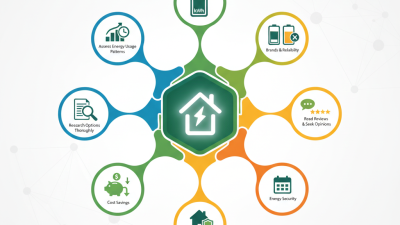
When selecting a solar battery, understanding your energy needs and usage patterns is crucial. Start by analyzing your daily energy consumption. Track how much electricity you use over a week. Consider which appliances consume the most power. For instance, refrigerators, heating, and cooling systems can be significant contributors. A simple spreadsheet can help visualize this data.
Consider peak usage times. Do you use more energy in the evening? This pattern will influence the battery size you need. You’ll want a battery that can store enough energy for your highest demand periods. If your energy usage spikes during certain hours, your battery should cover that. Reflect on your habits: do you turn off lights when not needed? Being mindful can save you energy.
Evaluate seasonal changes too. Some months may require more energy than others. For example, summer heat might drive up cooling costs. Analyze how weather impacts your usage. A thoughtful approach is essential for accurate estimation. Remember, battery capacity depends on your unique habits. Be ready to adjust and improve your energy efficiency over time.
Solar Battery Capacity Requirements Based on Usage Patterns
Types of Solar Batteries and Their Features
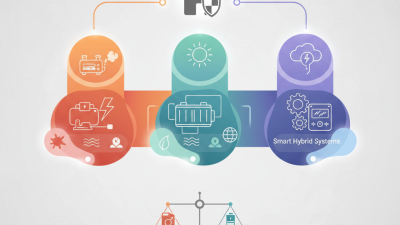
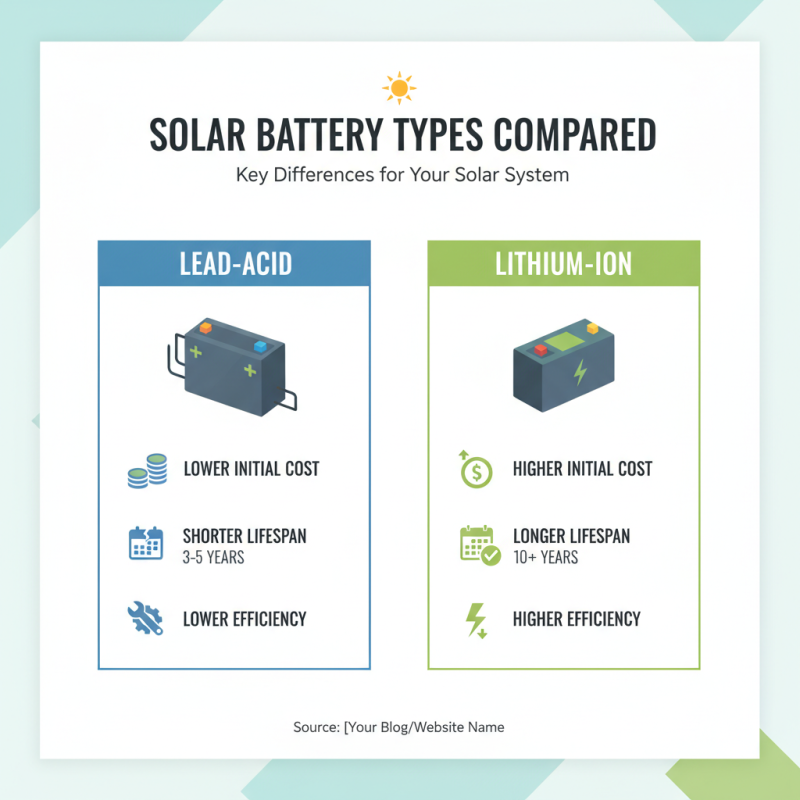
When selecting a solar battery, understanding the types available is crucial. Lead-acid batteries, such as flooded and AGM, are commonly used due to their lower cost. However, they have a shorter lifespan, averaging about 3 to 5 years. In contrast, lithium-ion batteries offer longer durability, often lasting 10 years or more. They are more efficient but come with a higher initial price.
Gel batteries, another option, are sealed and require less maintenance. Their lifespan is similar to lead-acid batteries but can struggle in extreme temperatures. A study from the National Renewable Energy Laboratory indicates that lithium-ion batteries can be 20% more efficient than traditional options. Still, choosing the right type can be challenging. It's essential to assess not just current energy needs, but future demands as well.
Charging speed is another key feature. Lithium-ion batteries charge faster, which is beneficial for daily use. However, they may not always be the best fit for everyone. Each scenario is unique, and users must consider factors like local climate and usage patterns. Ultimately, the decision should reflect both immediate needs and long-term goals.
Evaluating Battery Capacity and Efficiency for Your Home
When evaluating battery capacity for your home, consider your energy usage patterns. Look at your monthly energy bills. This will help you understand your consumption. A typical household requires a certain kilowatt-hour (kWh) capacity. Analyze how much energy you use during peak and off-peak hours. A battery should store enough energy to meet your needs.
Next, think about efficiency. Not all batteries convert energy equally. Some lose more energy during discharge than others. Investigate round-trip efficiency ratings. A higher efficiency means less wasted energy. This can affect how much savings you actually see.
Choosing the right solar battery involves some trial and error. You might miscalculate your energy needs at first. Adjusting your system later can be costly and tedious. Take time to monitor your energy usage closely. Collect data over several months. This reflection will guide you in selecting the right capacity and efficiency for your situation.
Cost Considerations: Pricing and Return on Investment
When choosing a solar battery, cost is a significant factor.
The price of solar batteries varies widely. Reports indicate that residential batteries can range from
$7,000 to $14,000 after installation.
While this may seem high, consider the long-term gains.
Many homeowners report saving up to 30% on their energy bills.
Return on investment (ROI) for solar batteries is essential to understand. The average payback period is about
5 to 10 years. However, this can fluctuate based on local
energy prices and any potential incentives. Some markets show a three-year ROI
due to rising electricity costs. A study found that homeowners who installed batteries could achieve a
70% energy independence rate, making the initial
cost seem less daunting.
Despite the advantages, there are pitfalls. Battery lifespan generally
ranges from 5 to 15 years. Factors like usage patterns
and climate can impact this. Moreover, the technology is still evolving. Prices may fall in the future, making
today’s investments seem less favorable. It's crucial to weigh these aspects carefully before making a purchase.
Installation and Maintenance Factors for Solar Batteries
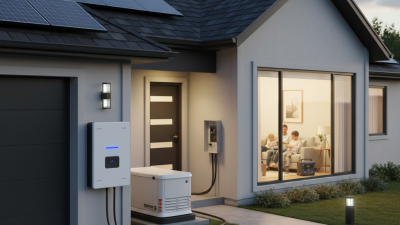
When considering solar battery installation, installation site is crucial. The battery should be close to solar panels for efficient energy transfer. Ensure the location is dry and well-ventilated. Too much heat can reduce battery life. Think about accessibility for maintenance. A hard-to-reach battery can lead to neglected upkeep.
Maintenance is often overlooked. Regularly check battery connections and clean terminals to prevent corrosion. Monitor the battery's state of charge. Improper charging can shorten its lifespan. Some batteries require periodic water refills; others do not. It's essential to understand your specific needs. This knowledge can reduce potential issues over time.
Remember, every installation is unique. What works for one home may not suit another. Reflect on your energy usage patterns before making a decision. Consider how lifestyle changes might affect your needs. Flexibility in your choices can lead to better performance.