Top Tips for Choosing the Right Solar Panel Connectors?
When considering solar energy investments, the choice of Solar Panel Connectors becomes crucial. Renowned solar industry expert Dr. Emily Harris states, “Quality connectors can make or break the efficiency of your solar system.” Her insight underscores the importance of thoughtfully selecting the right connectors.
Solar Panel Connectors play a vital role in linking panels to inverters and systems. These components ensure reliability and safety in energy generation. Selecting poor-quality connectors can lead to significant efficiency losses. For example, inadequate connectors may cause overheating or energy loss, undermining the entire solar setup.
It's essential to focus on durability and compatibility. The harsh outdoor environment demands reliable materials. However, many overlook this, leading to long-term issues. Striking a balance between cost and quality often requires careful consideration. Therefore, research and expert advice can aid in making the best decision for your solar system.
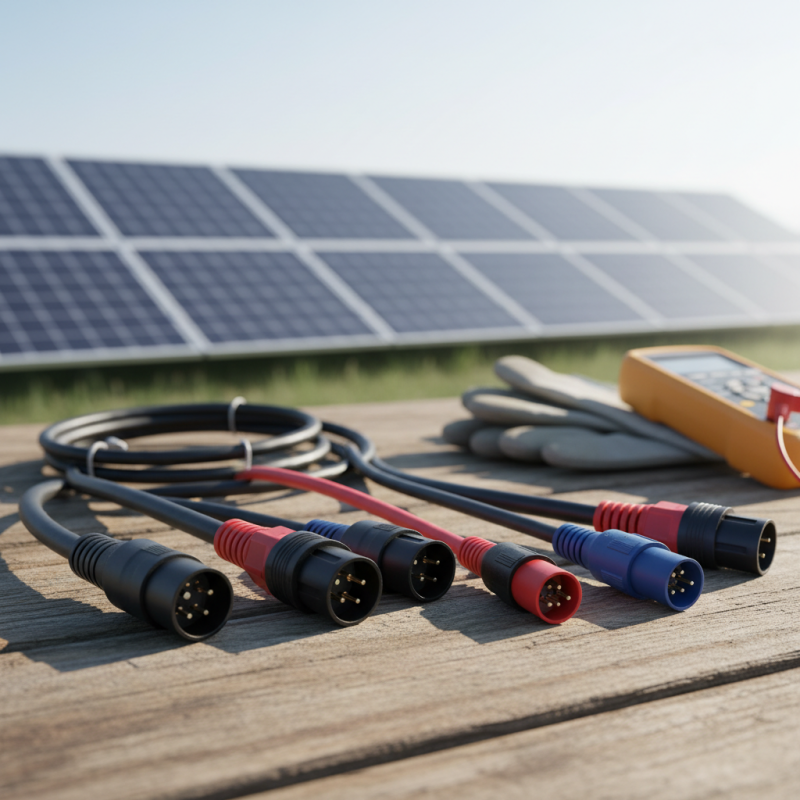
Understanding Solar Panel Connectors: Types and Functions
Understanding solar panel connectors is crucial for any solar installation. These connectors play a vital role in linking solar panels to the inverter and ultimately to the grid. There are several types, including MC4, XT60, and Amphenol connectors. Each type has its unique features, and understanding them can ensure better performance and reliability.
MC4 connectors are the most common in the industry. They provide a secure and waterproof connection, minimizing energy loss. However, they can be difficult to unplug. On the other hand, XT60 connectors are often used in smaller systems. They offer a robust connection but may not handle larger currents as effectively.
Choosing the right connector requires careful consideration of your system’s specific needs. Reflect on the installation environment. For example, damp or dusty areas might demand better sealing features. Also, think about your future expansion plans. Some connectors are easier to adapt for larger systems. The right choice can maximize efficiency and reduce maintenance issues.
Key Factors to Consider When Choosing Solar Panel Connectors
When choosing solar panel connectors, several key factors should guide your decision. Durability is essential. Connectors must withstand harsh weather conditions. Look for options that resist UV rays, moisture, and extreme temperatures. The material also matters. A sturdy build ensures longevity and reduces maintenance needs. Often, connectors made from high-quality plastic or metal provide better protection.
Compatibility is another factor. Ensure that connectors fit the specific solar panel system you are using. Mismatched connectors can lead to inefficiencies. Check the specifications carefully.
Consider the ease of installation. Some designs streamline the process, making setup simpler and faster. A complex installation may lead to mistakes, affecting performance.
Safety features cannot be ignored. Selecting connectors with built-in safeguards is wise. These features help prevent overheating and electrical faults. Not all connectors have the same safety ratings. Researching this aspect may take time but pays off in the long run. Each choice impacts the overall system reliability. Reflect on your options and prioritize quality over cost to ensure the best performance.
Evaluating Connector Durability and Weather Resistance
When choosing solar panel connectors, evaluating their durability and weather resistance is crucial. High-quality connectors withstand harsh environmental conditions. They must resist UV exposure, extreme temperatures, and moisture. Durable connectors maintain performance over time, reducing the risk of failures.
One basic tip for choosing connectors: check the rating they have against extreme weather. Connectors should ideally be rated for IP67 or higher. This ensures they can endure heavy rain and dust without compromising performance. Additionally, materials such as brass and high-grade plastic offer better longevity.
Another point to consider is how connectors handle temperature fluctuations. Extreme heat can cause expansion, while cold can lead to contraction. Select products that specify a wide temperature range. Doing so will help prevent issues like cracking or loosening during seasonal changes. Ensuring that your connectors are built for the elements is key for sustainable solar energy production.
Top Tips for Choosing the Right Solar Panel Connectors
| Connector Type | Durability Rating | Weather Resistance | Temperature Range (°C) | Compatibility |
| MC4 | IP68 | Waterproof & Dustproof | -40 to 85 | Most Solar Panels |
| SBJ | IP67 | Water Resistant | -30 to 80 | Compatible with SBJ Panels |
| H4 | IP66 | Weather Resistant | -40 to 90 | Various Solar Panels |
| Anderson | IP67 | Durable and Water Resistant | -20 to 100 | Multiple Applications |
Compatibility with Solar Panel Systems: A Guide
When selecting solar panel connectors, compatibility is crucial. Solar connectors must work seamlessly with your solar panel system to ensure efficiency and safety. According to the National Renewable Energy Laboratory, nearly 10% of solar installations have electrical issues due to improper connector choices. This statistic highlights the importance of making educated decisions when it comes to your components.
Many connectors come with unique features and specifications. For example, MC4 connectors are popular for their ease of use and reliability. They can handle up to 30 amps and withstand harsh environmental conditions. However, not all solar systems utilize this type. It's vital to check if your solar panels and inverters are compatible with the connectors you choose. Ignoring this aspect can lead to potential hazards and system inefficiencies.
Connecting systems with mismatched components may cause overheating or energy loss. An estimated 5-15% of energy can be lost in such scenarios, affecting the overall return on investment. Thorough research on compatibility can prevent costly mistakes. Review technical specifications thoroughly and consult with professionals when in doubt. This ensures your solar panel system functions optimally and lasts longer.
Top Tips for Choosing the Right Solar Panel Connectors
Best Practices for Installation and Maintenance of Solar Connectors
When installing solar panel connectors, adhering to best practices is crucial. A report from the National Renewable Energy Laboratory highlights that improper installation can lead to significant energy losses. Ensuring that connectors are rated for your specific application can enhance reliability. Select connectors with appropriate voltage and current ratings. This helps prevent overheating and potential failures.
Regular maintenance is essential to ensure longevity. Inspect connections periodically for corrosion or wear. Studies indicate that connections showing signs of rust can reduce efficiency by up to 20%. Cleaning the connectors is simple but often overlooked. A soft brush can effectively remove dirt and debris. This small task can support optimal performance throughout the solar system's lifespan.
Documentation of installation processes and maintenance schedules can improve the overall system’s reliability. If issues arise, this record can aid in troubleshooting. Engaging with professional guidelines can provide clarity. However, hands-on experience still plays a vital role. Balancing theoretical knowledge and practical application is key.
