How to Choose the Best Commercial Solar Power System?
Choosing the right Commercial Solar Power System can be daunting. With numerous options available, selecting the most suitable one requires careful consideration. Businesses today face rising energy costs, which makes solar power appealing. However, not all systems are created equal.
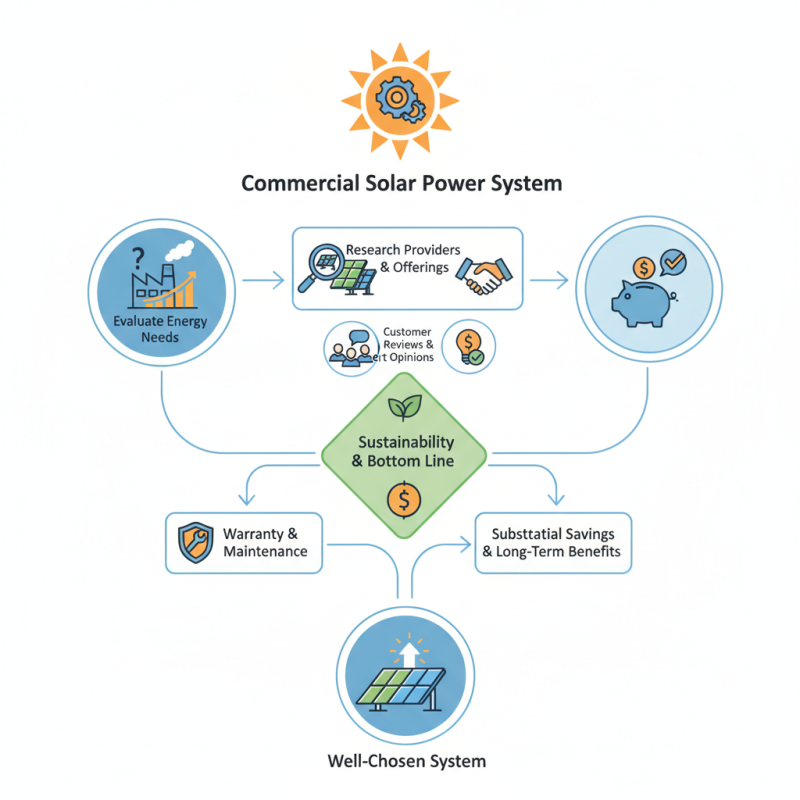
It's essential to evaluate your company's energy needs. Each business has unique requirements based on size and operations. Researching different providers and their offerings will help you make an informed decision. Customer reviews and expert opinions play a crucial role in understanding reliability.
Ultimately, the goal is to find a system that enhances sustainability while supporting your bottom line. A well-chosen Commercial Solar Power System can lead to substantial savings. Yet, it’s not merely about cost; it’s about long-term benefits. Consider warranty terms and maintenance services. Reflecting on these factors can help navigate potential pitfalls.
Understanding Your Energy Needs for Solar Power Systems
When choosing a commercial solar power system, understanding your energy needs is crucial. Start by analyzing your current energy consumption. Look at your monthly utility bills for a year. Note the patterns in usage, especially during peak times. This data helps establish the baseline.
Consider your future energy projections as well. Are you planning to expand? Additional equipment or buildings will increase your needs. A solar system should not only meet your current demands but also allow for growth. Engage with professionals to accurately assess these factors.
Once you have this information, explore various system sizes and types. Different systems can cater to distinct energy profiles. Some businesses may only need a small grid-tied solution. Others might benefit from larger systems, or even hybrid setups. The complexity can be overwhelming. Reflect on what aligns best with your objectives and budget. Make informed choices while considering both immediate and long-term impacts on your energy strategy.
Energy Needs Comparison for Commercial Solar Power Systems
Evaluating Different Types of Commercial Solar Energy Solutions
When evaluating different types of commercial solar energy solutions, it is essential to understand your specific needs. Each business has unique energy requirements, which influence the choice of the most suitable system. Solar panels come in various technologies, including monocrystalline, polycrystalline, and thin-film. Monocrystalline panels are efficient but may come with a higher price tag. Polycrystalline panels provide a balanced efficiency and cost ratio. Thin-film options might be cheaper but typically offer lower efficiency rates.
Another factor to consider is the mounting system. Rooftop installations are common but require adequate space and structural integrity. Ground-mounted systems can be more flexible in terms of orientation and shading but may be restricted by land availability. Sometimes, businesses may need hybrid solutions that combine both types. In addition to the physical setup, integrating solar power with existing electrical systems can be tricky. Proper planning and expert advice are crucial for ensuring compatibility and efficiency.
Maintenance of the system is another aspect that requires attention. While solar technology requires minimal upkeep, occasional checks and cleaning are necessary to maintain performance. Understanding local regulations and incentives can aid in cost analysis. Each installation faces unique challenges. Reflecting on these issues early will lead to a more effective and reliable solar power solution for your business.
Key Factors to Consider When Choosing a Solar Provider
Selecting a commercial solar power system involves careful consideration of multiple factors. One key element is the provider's experience. According to a report by the Solar Energy Industries Association (SEIA), firms with over five years of experience tend to deliver more reliable installations. These providers have usually encountered a range of issues, allowing them to adapt and refine their processes effectively.
Another important factor is the provider's reputation. Look for companies with strong customer satisfaction ratings. Research independent reviews and case studies. A recent survey suggested that 85% of customers would recommend their solar provider if they had a positive experience. However, not all installations go smoothly, and some customers report unexpected costs or delays. Understanding these potential drawbacks can help in making a more informed decision.
Lastly, financing options play a crucial role. Some providers may offer attractive financing plans, but they might come with hidden fees or unfavorable terms. Transparency is key. Review all contracts closely. A more affordable upfront cost can sometimes lead to higher long-term expenses. By weighing these factors, businesses can significantly increase their chances of selecting the optimal solar solution.
Analyzing Costs and Financial Incentives for Solar Installation
When considering a commercial solar power system, analyzing costs and financial incentives is crucial. Solar installation can require a significant upfront investment. However, many businesses overlook available incentives. Tax credits and rebates can substantially lower initial expenses, making solar more approachable for companies.
Cost variables must be examined carefully. Factors include system size, installation site, and local energy rates. It’s essential to do a detailed cost-per-watt analysis. Financing options may also add complexity. Leasing versus purchasing can drastically affect total ownership costs. Business owners should reflect on their long-term goals when choosing a path.
Many fail to connect energy savings with overall business strategy. Solar power can reduce operating costs significantly. Yet, some companies hesitate due to perceived risks. Understanding the return on investment is critical. Regularly reviewing these aspects ensures that businesses remain informed and adaptive.
Assessing Long-Term Benefits and Sustainability of Solar Systems
When assessing long-term benefits and sustainability of commercial solar power systems, it’s crucial to consider both financial and environmental impacts. Solar energy can significantly reduce electricity bills. Over time, these savings add up, making it a sound investment. However, initial costs can be high, which may deter some businesses. It's essential to analyze the return on investment (ROI) carefully.
The sustainability of solar systems hinges on their efficiency and longevity. Most commercial systems can last 25 years or more. They require minimal maintenance, but that doesn’t mean they are free of issues. Regular inspections are necessary to ensure maximum efficiency. Some organizations overlook this, leading to underperformance and wasted resources.
Moreover, the environmental benefits are substantial. Utilizing solar energy reduces reliance on fossil fuels. This shift can significantly decrease carbon footprints. However, it’s vital to assess the entire lifecycle of solar panels, including manufacturing and disposal. Some production processes are not as green as one might expect. The potential for recycling solar panels is an area needing further exploration. Businesses must remain diligent in seeking sustainable options throughout the solar system's life.
