How to Choose the Best Solar Solutions for Your Home?
Choosing the best solar solutions for your home is crucial in today’s energy landscape. A report by the International Energy Agency (IEA) states that solar power capacity may grow by 600 GW globally in 2023 alone. This growth reflects the increasing relevance of solar energy in sustainable living. Industry expert Dr. Emily Thompson emphasizes, “Selecting the right solar solutions requires careful consideration of your unique energy needs.”
In recent years, advances in solar technology have made solar solutions more accessible and efficient. Homeowners now have various options ranging from roof-mounted panels to solar shingles. Consumers face the challenge of navigating these choices, often unaware of what best suits their homes. It is critical to evaluate factors such as location, energy consumption, and budget before making a decision.
However, not all solar solutions will provide the same return on investment. Choosing poorly can lead to wasted resources and unmet expectations. As more options become available, the importance of informed selection is paramount. By understanding your needs and the market landscape, you can make a wise decision. Quality solar solutions can lead to significant savings over time.
Understanding Different Types of Solar Solutions Available for Homes
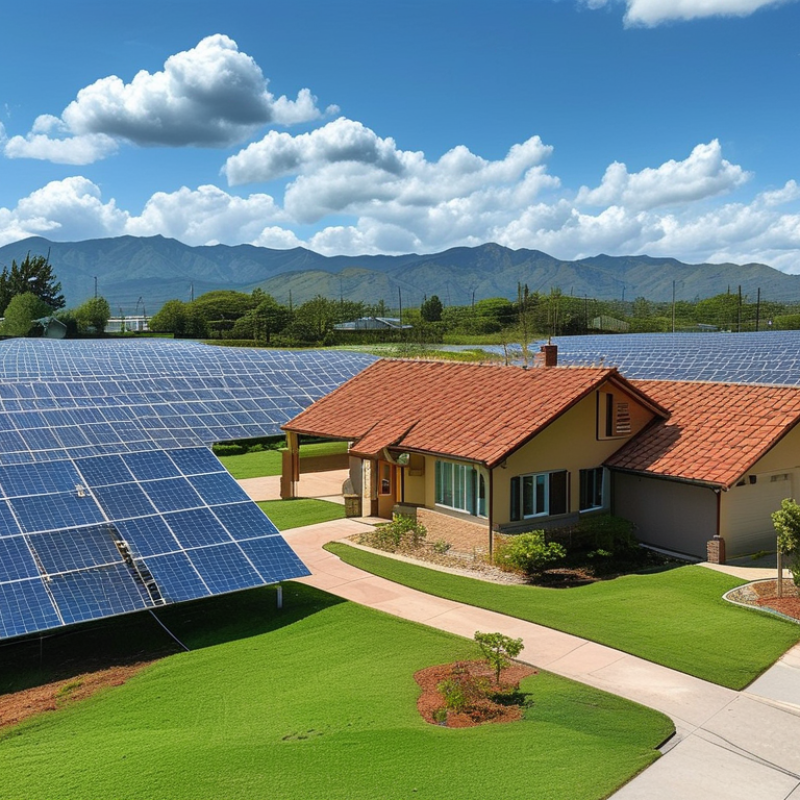
When considering solar solutions for your home, understanding the available options is crucial. Solar panels are a popular choice. They convert sunlight directly into electricity. However, they require ample roof space and exposure to sunlight. Ensure your roof is in good condition before installation.
Another option is solar water heating systems. These systems use the sun to heat water for domestic use. They work well in sunny locations and can significantly reduce energy bills. Be aware, though, that they may not be as effective in colder climates.
Tips: Evaluate your household's energy needs. This will help in determining the size and type of solar system to install. Research local incentives or rebates for solar installations. They can make a significant difference in overall costs.
You may also consider hybrid systems that combine solar with other energy sources. They can provide reliable power during outages. Reflect on the long-term commitment and maintenance required for solar solutions. Regular cleaning and potential repairs are part of owning a solar system. Knowing these challenges helps ensure a more informed decision.
How to Choose the Best Solar Solutions for Your Home?
| Solar Solution Type |
Description |
Advantages |
Disadvantages |
Cost Range |
| Grid-Tied Solar Systems |
Systems connected to the utility grid, allowing for energy exchange. |
Lower initial costs, net metering, and no battery needed. |
No power during outages, reliance on grid. |
$10,000 - $30,000 |
| Off-Grid Solar Systems |
Self-sufficient systems that operate independently of the grid. |
Energy independence, reliable in remote areas. |
Higher cost, requires battery storage, maintenance. |
$15,000 - $40,000 |
| Hybrid Solar Systems |
Combines grid-tied and off-grid features with battery storage. |
Flexibility, backup power, and potential savings. |
Higher upfront cost, complex setup. |
$20,000 - $50,000 |
| Solar Water Heating Systems |
Uses solar energy to heat water for residential use. |
Lower operating costs, improves water heating efficiency. |
Less effective in winter, limited applications. |
$2,000 - $5,000 |
Assessing Your Home's Energy Needs for Solar Implementation
Assessing your home’s energy needs is crucial when considering solar solutions. Start by evaluating your average electricity consumption. Analyze past bills to understand your monthly usage. This data provides insight for sizing your solar system appropriately. Remember, peak consumption times can vary, impacting how much power you need.
Consider your home’s layout and location as well. Are there shaded areas that may limit sunlight? If your roof is partially obstructed, it can affect performance. Additionally, think about the direction your roof faces. A southern exposure often captures the most sunlight. However, east or west-facing roofs can still be effective, depending on your specific needs.
While estimating, consider future energy needs too. You may want to install a home office or electric vehicle in the coming years. These additions could increase your consumption significantly. It’s essential to strike a balance between current capabilities and future expectations. This assessment will guide you toward the best solar solution, ensuring reliability and efficiency for your home.
Evaluating Cost-Effectiveness of Various Solar Systems
When evaluating the cost-effectiveness of various solar systems, it’s crucial to consider upfront costs and long-term savings. Different solar solutions have varying price tags. Be aware that initial expenses can be high, but many homeowners see reduced utility bills over time. A detailed cost analysis is necessary. Break down installation, maintenance, and potential energy savings. This helps in making informed decisions.
Look at efficiency ratings of solar panels. More efficient panels convert sunlight better, leading to greater savings. However, they often cost more upfront. Weigh the pros and cons. Consider your local climate and energy needs. Is your area sunny most of the year? This can significantly impact your system's efficiency and cost-effectiveness.
Don’t forget about incentives and rebates. They can help offset costs, but are often time-sensitive. Research local programs available for homeowners. Not every solar system suits every home; personal needs matter. Sometimes a lower-cost option may not provide sufficient energy. Always question if the apparent savings justify the initial investment.
Researching Local Incentives and Rebates for Solar Installation
When considering solar solutions for your home, researching local incentives is crucial. Many states offer rebates and tax credits that can significantly reduce installation costs. For example, the Database of State Incentives for Renewables & Efficiency (DSIRE) shows that some homeowners can receive up to 30% off their solar installation through federal tax credits. Local rebates can add even more savings.
Additionally, leveraging these incentives can make solar energy more accessible. In California, the average homeowner can save about $9,000 through various local programs. This creates an attractive financial scenario but requires diligent research. Not all areas offer the same benefits, and eligibility can vary. Understanding your local market is key.
Navigating these incentives can be complex. It’s essential to stay informed about any changes in legislation. Incentive programs can phase out, or new policies may emerge. Keeping an eye on these developments can affect your financial decision. A proactive approach can help maximize your savings and make solar energy a viable option for your home.
Choosing the Right Installer: Key Considerations and Questions
When selecting a solar installer, several key considerations come into play. Industry reports indicate that experience is crucial. Over 30% of homeowners express concerns about the installer’s track record. Look for companies that have been in operation for at least five years. This duration hints at reliability and expertise in handling various projects.
Assessing certifications and licenses is another important aspect. According to the Solar Energy Industries Association, installers should hold appropriate certifications such as NABCEP. These qualifications often indicate a higher level of training and competence. Additionally, asking for references can provide insight into previous customer satisfaction. Around 40% of homeowners consider reviews the most reliable source of information when choosing a contractor.
Pricing transparency is essential as well. A study showed that vague pricing information can lead to distrust. Request detailed quotes that break down all costs. Uneven pricing can reflect a lack of professionalism. Reflecting on these criteria helps ensure that your solar investment is secure and effective.
Comparison of Solar Installation Costs by System Size
This bar chart illustrates the average installation costs of solar panel systems based on their sizes. Understanding the cost differences can help homeowners make informed decisions when selecting solar solutions.