10 Essential Tips for Choosing Off Grid Power Solutions for Your Home
Choosing the right off grid power solutions can be challenging. The growing interest in renewable energy sources makes informed decisions crucial. Industry expert John Anderson states, "Selecting the right power solution means understanding both your needs and available technologies."
With many options available, homeowners often feel overwhelmed. Storage capacities, solar panel efficiency, and maintenance needs all play a role. Research is key. Each choice impacts not only energy costs but also the environment. Knowing these factors can help narrow down suitable options.
However, the path to off grid power solutions isn't always clear. Mistakes can happen. Some homeowners invest in systems that don't meet their energy needs. Understanding energy requirements and potential limitations is essential for a successful off grid lifestyle. Balancing aspiration with practicality can make all the difference in achieving energy independence.
Understanding Off Grid Power Solutions: Types and Concepts
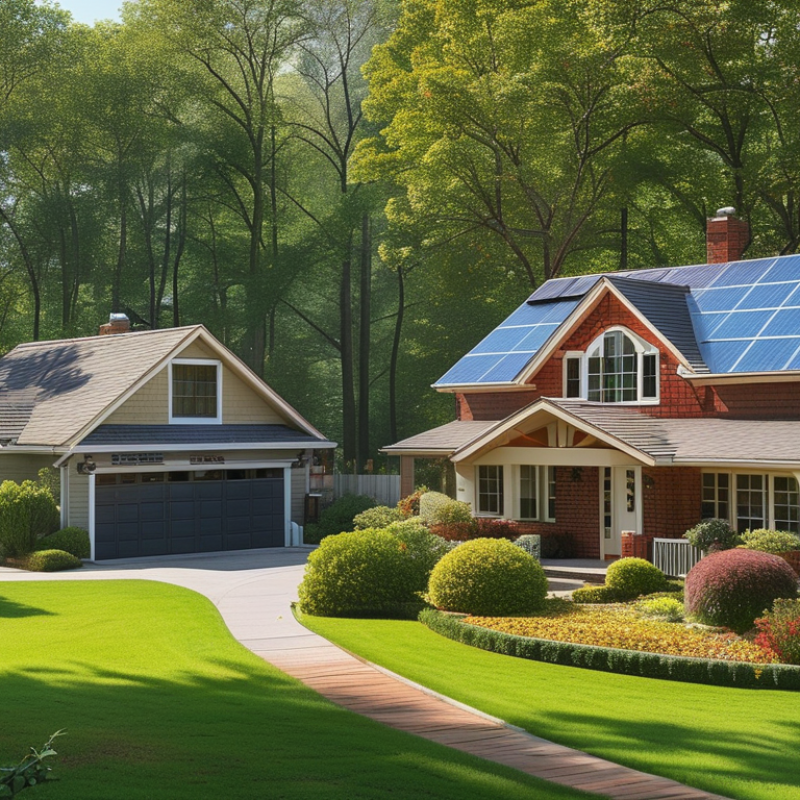
When exploring off-grid power solutions, it’s essential to understand their types and concepts. Solar panels, wind turbines, and battery storage systems are popular choices. According to the U.S. Department of Energy, solar capacity has grown by over 20% annually in recent years. This trend reflects the increasing interest in sustainable energy. Off-grid systems can offer independence and resilience, especially in remote areas.
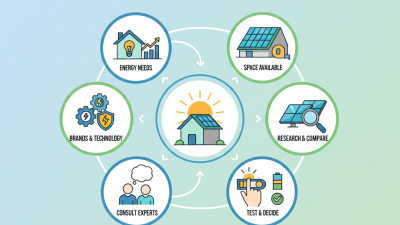
Tip 1: Evaluate your energy needs before choosing your system. Calculate your daily energy consumption to determine the required capacity. It’s crucial to ensure your chosen solution meets your demand.
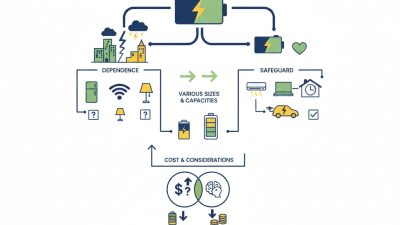
Another concept to consider is energy storage. Battery systems play a vital role in off-grid power setups. They store energy generated during sunny or windy conditions for later use. Recent reports indicate that lithium-ion batteries dominate the market, thanks to their efficiency and decreasing costs.
Tip 2: Research local incentives and regulations. Many regions offer tax credits for renewable energy systems. These can significantly lower your initial investment.
Off-grid living requires careful planning and consideration. You might face challenges, such as seasonal energy variations. It’s vital to have a backup plan to manage energy shortages during high-demand periods.
Evaluating Your Energy Needs: Assessing Consumption Patterns
Assessing your energy needs is crucial when considering off-grid power solutions. Start by analyzing your consumption patterns. Look at your electricity bills for the past year. Identify peak times and high-usage appliances. This data provides a clear picture of your energy habits. Don't forget to factor in seasonal changes in usage.
Consider how many devices you rely on daily. Each device adds to your total energy needs. For example, refrigerators and water heaters tend to consume more energy. Think about your lifestyle too. Do you enjoy outdoor activities that need power for gadgets? Understanding these details can help refine your energy requirements.
It's also essential to anticipate future needs. Life changes like new appliances or family members can shift energy consumption. Build a buffer into your calculations to accommodate growth. Don’t rush this process; it's about finding what truly suits your lifestyle. Reflect on your current habits and be open to adjustments. This self-awareness will guide you toward a suitable off-grid solution.
10 Essential Tips for Choosing Off Grid Power Solutions for Your Home - Evaluating Your Energy Needs: Assessing Consumption Patterns
| Energy Device |
Daily Consumption (kWh) |
Monthly Usage (kWh) |
Power Requirement (W) |
Estimated Cost ($) |
| Refrigerator |
1.5 |
45 |
200 |
600 |
| LED Lights (10) |
0.5 |
15 |
10 |
100 |
| Laptop |
0.2 |
6 |
50 |
300 |
| Television |
0.3 |
9 |
100 |
400 |
| Microwave |
0.8 |
24 |
1000 |
200 |
| Washing Machine |
1.0 |
30 |
500 |
450 |
Key Features to Consider in Off Grid Power Systems
When choosing off-grid power solutions, several key features are essential. Battery storage capacity is crucial. A reliable system can store enough energy for days of low sunlight. According to the National Renewable Energy Laboratory, a typical home may require a storage capacity of 10-15 kWh daily. This allows for sustained energy use during cloudy weather.
The efficiency of solar panels also plays a significant role. Panels with higher efficiency convert more sunlight into energy. Reports show that models reaching 20% efficiency can significantly reduce reliance on backup generators. This is vital in remote areas where energy access is limited.
Evaluating inverter systems is another critical aspect. They convert direct current from batteries to alternating current for home use. An inverter with a high continuous power rating ensures that all appliances run smoothly. However, many users overlook their maintenance needs. Neglect can lead to performance issues, reducing overall system reliability. Understanding these elements fosters a more informed decision-making process in off-grid energy planning.
Budgeting for Off Grid Solutions: Costs and Financial Planning
When planning for off-grid power solutions, budgeting plays a crucial role.
First, assess your energy needs.
Calculate the total wattage required by your appliances. This will guide your decisions.
Consider both helps and challenges while estimating costs.
It’s wise to factor in initial setup costs,
ongoing maintenance, and potential upgrades. A well-planned budget can
prevent future financial strain. Keep in mind, costs can vary widely based
on location and energy sources. Research local prices for solar panels,
batteries, and generators.
Tip:
Don’t overlook hidden expenses. Installation fees and permits can add unexpected costs.
Many overlook these, leading to financial surprises.
Rate electricity consumption regularly to fine-tune future budgeting.
Working with an expert can provide insights into practical financial planning.
They can help avoid common pitfalls.
Maintenance and Sustainability: Ensuring Longevity of Your Power System
When considering off-grid power solutions, maintenance and sustainability are crucial for longevity. Regular inspections of your systems should be a priority. Check your solar panels, batteries, and inverters frequently. Cleanliness can significantly impact performance. Dust accumulation on solar panels can reduce efficiency. It’s essential to build a routine around these checks.
Invest in high-quality components. They may cost more upfront but can save you in the long run. Look for products with good warranties and positive user reviews. This reduces the risk of early failure. Choose materials that can withstand local weather conditions. This choice will decrease maintenance frequency.
Don’t overlook battery care. Overcharging or deep discharging can shorten battery life. Regularly monitor voltage and water levels in lead-acid batteries. Sustainability means using your power wisely. Try to minimize waste by incorporating energy-efficient appliances. These small steps create a more reliable and sustainable power system.