What is a Home Backup Battery and How Does It Work?
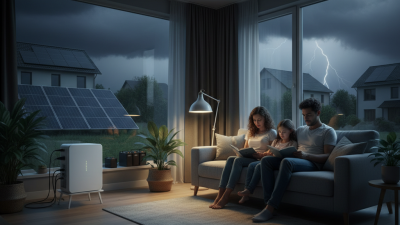
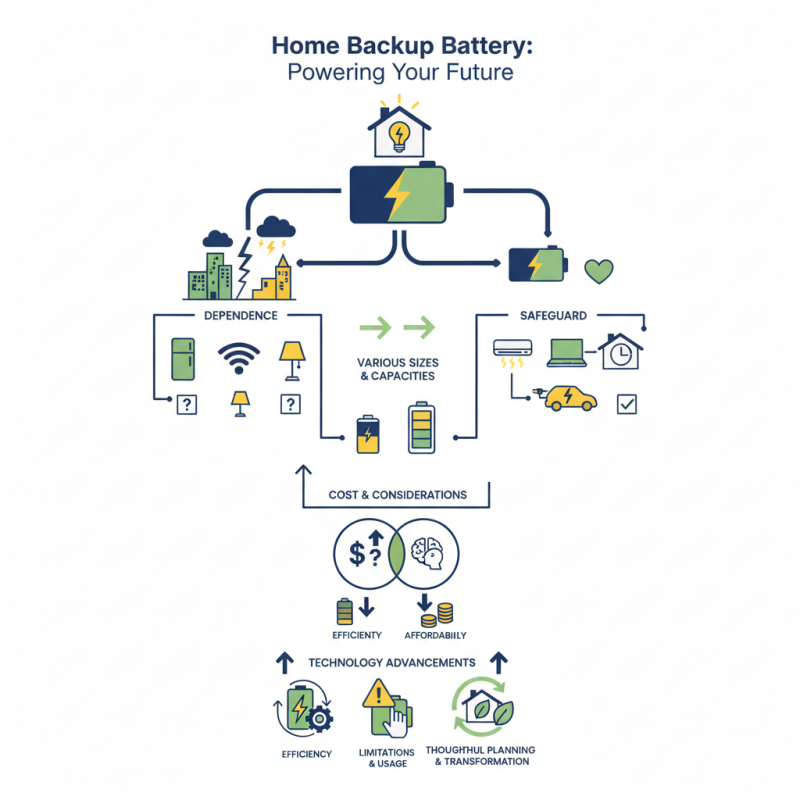
In a world increasingly dependent on electricity, a home backup battery serves as a vital safeguard. This device stores energy, ensuring your home remains powered during outages. Many families face unexpected blackouts due to storms or grid failures. A home backup battery provides peace of mind during these stressful moments.
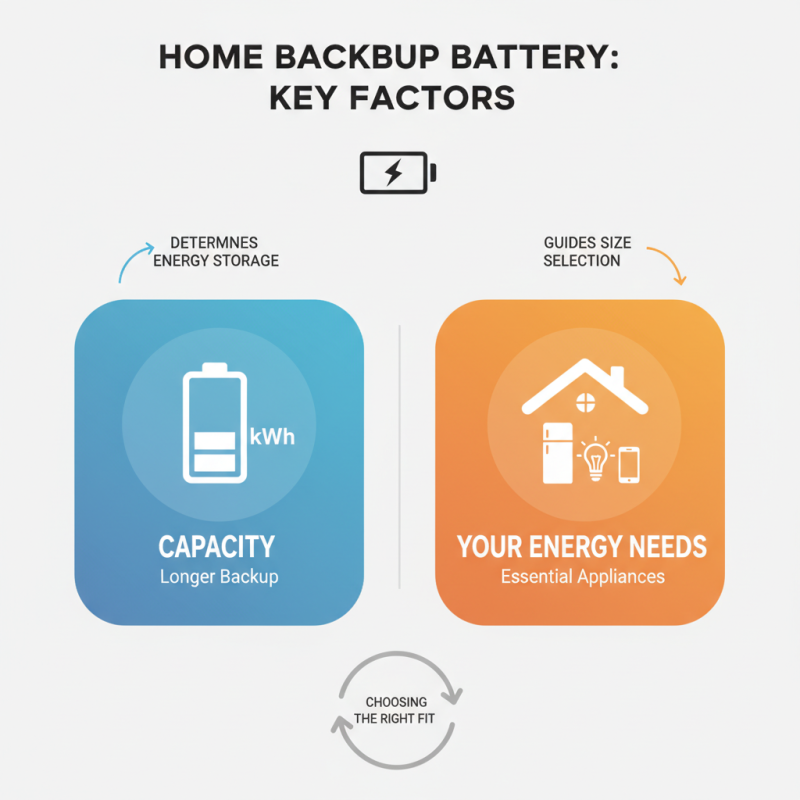
These batteries come in various sizes and capacities, allowing homeowners to choose based on their needs. They can power essential appliances, lights, and even air conditioning units. However, the cost can be a barrier for some. Understanding energy requirements and costs is crucial before investing in a home backup battery.
As technology advances, home backup batteries become more efficient and affordable. Yet, users must remain aware of their limitations. Improper usage can lead to short lifespans. Owners must reflect on their energy consumption habits. With thoughtful planning, a home backup battery can transform the way you manage power in your home.
What is a Home Backup Battery?
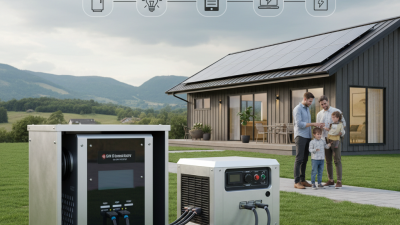
A home backup battery is a device that stores energy for later use. It acts as a reliable power source during outages. When the grid fails, this battery kicks in to provide electricity. Many homeowners consider it a safety net. Yet, choosing the right one can be tricky.
These batteries store energy from various sources. Some connect to solar panels. Others draw from the grid when energy prices are low. But, how long will the battery last? Typically, these units can keep essential devices running for several hours. However, that’s not always enough. It often depends on usage.
Installation can also be complex. Homeowners must assess their energy needs. Not all systems fit every home. Sometimes, the setup costs can feel overwhelming. Batteries also have a limited lifespan. Regular maintenance is required to ensure they operate efficiently. This can lead to unexpected expenses. Being prepared is key, but many homeowners find it overwhelming.
What is a Home Backup Battery?
| Feature |
Description |
Benefits |
| Power Capacity |
Typically ranges from 5 kWh to 20 kWh |
Can power essential devices during outages |
| Recharge Time |
Usually takes between 4 to 8 hours |
Convenient for overnight charging |
| Lifespan |
Typically lasts 5 to 15 years |
Cost-effective over a longer period |
| Installation |
Requires professional setup |
Ensures safety and efficiency |
| Integration |
Works with solar systems or grid |
Maximizes energy usage |
Components of a Home Backup Battery System
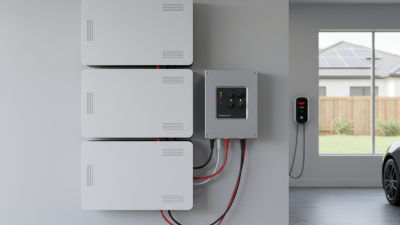
A home backup battery system is essential for maintaining power during outages. Its components work together seamlessly. At the core is the battery itself, typically a lithium-ion or lead-acid type. These batteries store energy for later use. When the grid goes down, they provide immediate backup power.
In addition to the battery, there is an inverter. This device converts stored DC energy into AC energy, suitable for home appliances. Many systems also include a charge controller. This component regulates the charging process and prevents overcharging. Sometimes, a monitoring system is present too, allowing users to track battery levels and performance.
Wiring connects all these parts, and it’s crucial for optimal performance. Poor connections can lead to inefficiency. It’s necessary to reflect on the placement of the system. Ideally, it should be in a cool, dry area. If located incorrectly, it could affect battery life. Overall, each component plays a vital role in ensuring reliable power when needed.
How Does a Home Backup Battery Work?
A home backup battery stores energy for later use. It provides power during outages. When the grid fails, your battery steps in. It ensures that essential appliances keep running. There’s an inverter inside that converts stored energy into usable electricity.
When the power goes out, the battery detects it instantly. It begins supplying power to your home. This reaction is quick—often within milliseconds. Most batteries can run for several hours. However, the time varies based on capacity and usage. Some units have a user-friendly app for monitoring battery status and usage.
Tip: Regularly check your battery’s charge level. Ensure it's topped up, especially before storms.
Be mindful of energy consumption during an outage. Prioritize critical devices first. Use only what you need. Sometimes, less is more. You may think you need all devices, but often, you don’t.
Tip: Consider testing your system at least once a year. This ensures everything functions well. Look for any inconsistencies or issues.
Benefits of Using a Home Backup Battery
Home backup batteries are becoming essential for many households. They provide power during outages, ensuring that daily activities continue smoothly. According to the U.S. Energy Information Administration, power outages have risen by 74% since 2000. This increasing frequency highlights the need for reliable backup solutions.
The benefits of using a home backup battery are significant. They enhance energy independence by reducing reliance on the grid. Homes can store solar energy for later use, especially during peak hours when electricity costs are higher. A recent report by Navigant Research estimates that the global residential energy storage market will reach $41 billion by 2025. Such growth indicates that more households are recognizing the value of energy storage.
Additionally, backup batteries contribute to a more sustainable lifestyle. Many units utilize clean energy, making them environmentally friendly. However, it is crucial to consider the initial investment, which can be high. While they save money in the long run, homeowners must weigh costs against benefits. Energy storage is not a one-size-fits-all solution. Each household has unique needs and circumstances to evaluate.