Why Home Inverter Systems Are Essential for Energy Independence?
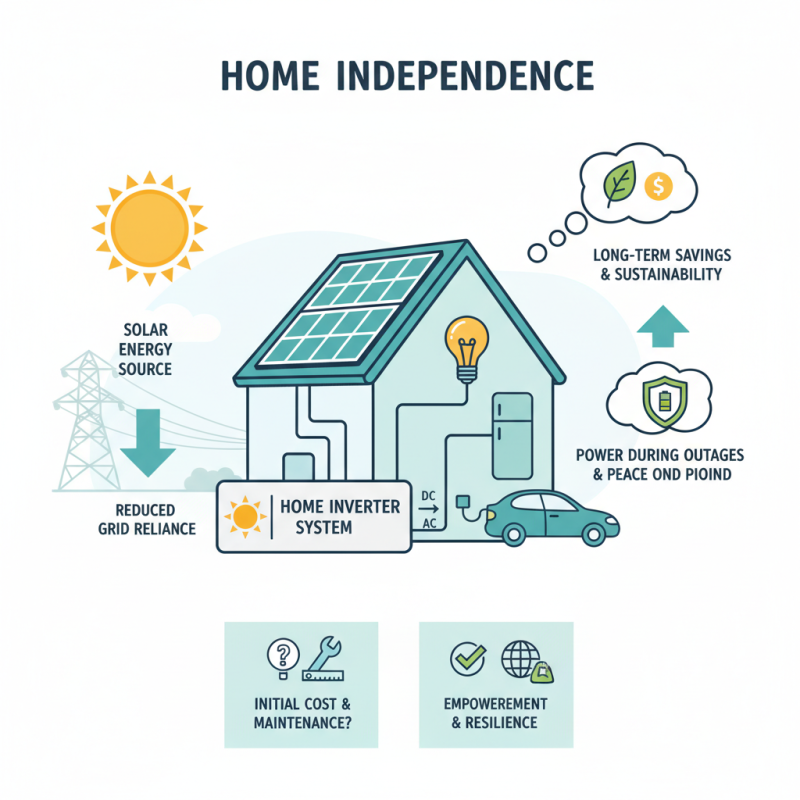
In today's world, energy independence is more important than ever. Home inverter systems play a crucial role in achieving this goal. These systems convert direct current (DC) from solar panels into alternating current (AC) for home use. They allow homeowners to harness the sun’s energy, reducing reliance on the grid.
However, the adoption of home inverters is not always straightforward. Many people are unaware of their benefits. Some may worry about the initial costs or installation complexities. Yet, with renewable energy on the rise, home inverters can provide long-term savings and stability. Imagine producing your own energy, especially during outages. It brings peace of mind.
Moreover, energy independence offers a sense of control. Homeowners can manage their electricity usage better. Yet, challenges remain, like maintenance and system sizing. Despite these concerns, the shift towards home inverters is a step toward a sustainable future. Embracing these systems can empower individuals and foster resilience in uncertain times.
Overview of Home Inverter Systems and Their Functionality
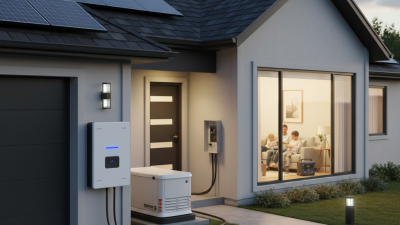
Home inverter systems play a vital role in achieving energy independence. These systems convert direct current (DC) from batteries or solar panels into alternating current (AC) for home use. This functionality is crucial, especially during power outages. Homeowners can power essential appliances without relying on the grid.
Inverter systems come in various sizes and configurations. Some are designed for specific appliances, while others can power an entire home. The choice depends on individual energy needs. Many people find it challenging to calculate their energy consumption accurately. This can lead to installing systems that are either too small or excessively large.
These systems often include additional features, such as battery storage. This means homes can store energy for later use. However, understanding how to maintain these systems can be complicated. Regular checks and adjustments are necessary. Homeowners might overlook simple maintenance tasks, leading to less efficiency.
Benefits of Energy Independence and Reduced Reliance on the Grid
Energy independence is not just a trend. It is a necessity for many homeowners today. By investing in home inverter systems, individuals can reduce their reliance on the grid. This shift can lead to significant benefits. For example, it lowers electricity costs in the long run. Homeowners find peace in knowing they control their energy source.
Tips: Consider installing solar panels alongside your inverter. This combination maximizes energy generation and storage. Regular maintenance is key. A well-functioning system ensures consistent energy supply. During outages, having a reliable inverter can provide essential power to important appliances.
People can also minimize their energy usage. Small changes, like using energy-efficient appliances, can help. Some homeowners overlook simple habits. For instance, turning off lights can make a difference over time. Moreover, learning about energy consumption helps in making informed choices. Prioritizing energy independence is an investment in the future.
Key Features to Consider When Choosing a Home Inverter System
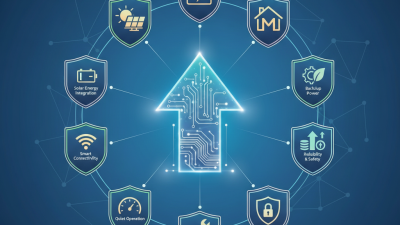
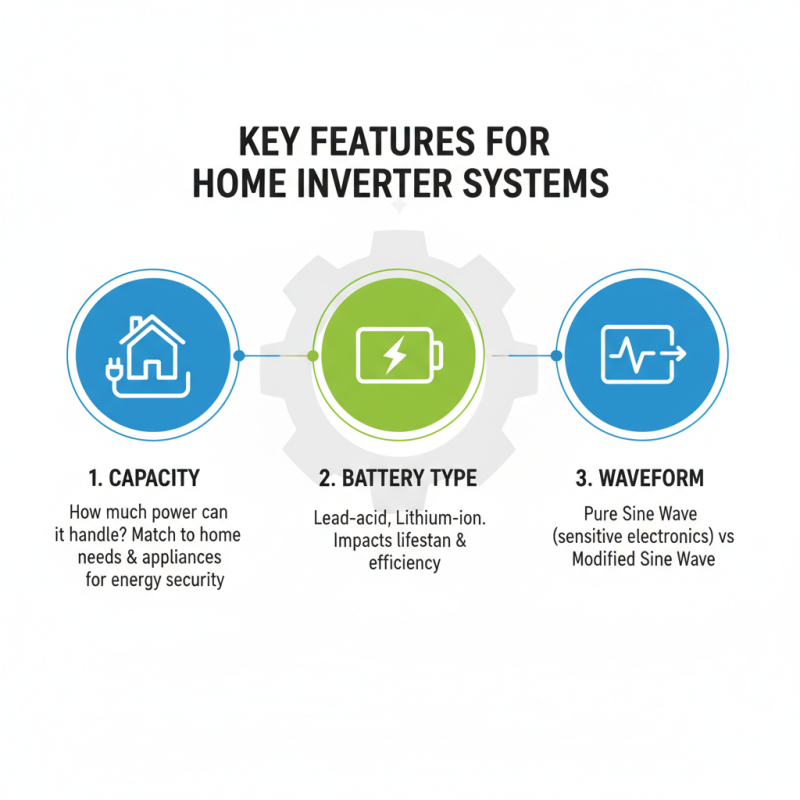
When selecting a home inverter system, several features deserve your attention. Capacity is crucial. It determines how much power the inverter can handle. Consider your home needs and the appliances you want to run. A system with a higher capacity may provide better energy security.
Look at efficiency ratings. An inverter with higher efficiency will convert more DC power from batteries into usable AC power for your home. This means less energy waste, and you save money in the long run. Also, explore battery compatibility. Not all inverters work with every battery type. Check if the inverter suits your existing battery or whether you need new ones.
Don’t overlook the installation process. Some systems may require professional help, adding to the total cost. DIY installation can save money, but it may not always be safe. Safety features also matter. Surge protection can safeguard appliances during power fluctuations. Consider these elements carefully before making a decision.
Impact of Home Inverters on Renewable Energy Integration
Home inverters play a crucial role in renewable energy integration. They enable homeowners to harness solar, wind, or other renewable sources. These systems convert direct current into usable alternating current. This conversion is vital for powering home appliances. Many people underestimate the complexity of this process. Inverters must be reliable to ensure stable energy flow.
Moreover, inverters facilitate energy storage and usage optimization. During sunny days, excess solar energy can be stored. This energy is useful during cloudy periods or at night. However, not all inverters handle storage efficiently. Homeowners may face challenges in choosing the right storage solution. Some systems can be overly complicated, requiring expert installation and maintenance.
The impact of home inverters on energy independence is significant. They allow homeowners to reduce reliance on the grid. Nevertheless, transitioning to a fully renewable home is not without flaws. Upfront costs can be daunting, and technology can sometimes behave unpredictably. Some systems may need frequent upgrades to meet changing energy needs. Thus, while inverters are essential, the journey toward energy independence requires careful planning and consideration.
Case Studies: Successful Implementation of Home Inverter Solutions
Home inverter systems serve as a critical lifeline for energy independence in numerous households. Case studies illustrate their role in various regions. A recent report indicated that homes equipped with inverter systems reduced their reliance on grid power by up to 70%. In rural areas, the impact can be even more significant.
For example, a community in California implemented home inverter systems and noted a dramatic decrease in monthly energy bills. Homeowners reported savings of nearly $150 per month, which allowed them to redirect funds toward other necessities. However, not every situation was perfect. Some homes struggled with system installation challenges, which delayed benefits.
In another instance, a family in Texas embraced solar energy with an inverter solution. Their system allowed them to store excess energy for nighttime use. Yet, the initial setup costs proved steep, leaving some questioning the immediate value of such investments. It’s clear that while inverter systems can empower households, proper planning and execution are vital for maximizing their potential.