Top Solar Applications Tips to Maximize Your Savings?
Utilizing Solar Applications can significantly reduce your electricity bills while promoting sustainable energy use. With various technologies available, homeowners and businesses need to make informed decisions. Understanding the best practices is key to maximizing savings.
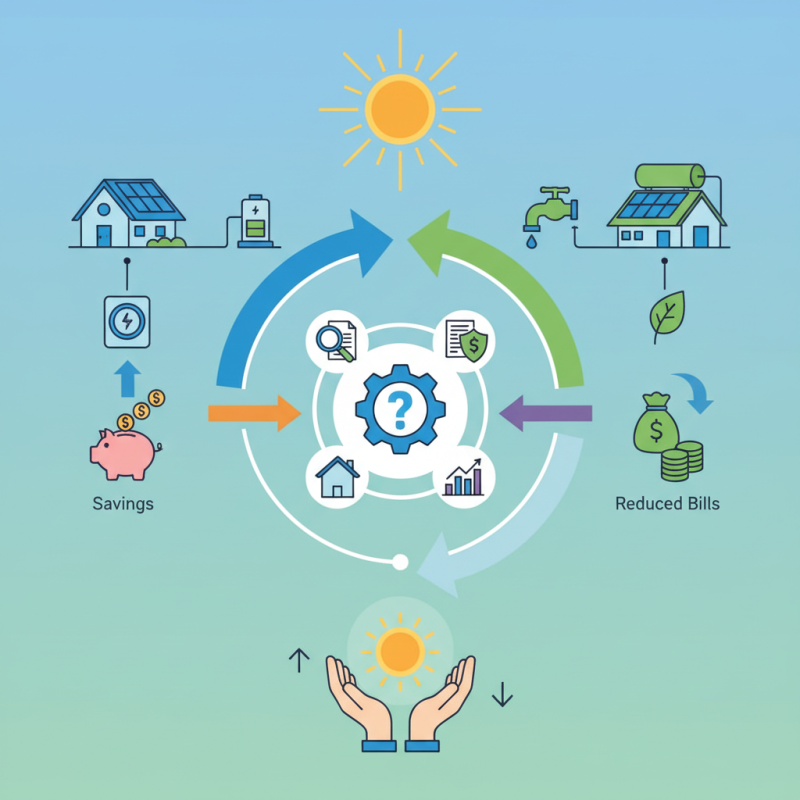
Solar applications, such as rooftop panels and solar water heaters, require careful consideration. Each installation has unique benefits and challenges. For instance, the efficiency of solar panels can depend on location and sunlight exposure. Additionally, integrating battery storage can enhance savings but may require a higher upfront investment.
Researching grant opportunities and tax incentives can reduce initial costs. However, not all installations deliver the same return on investment. It's crucial to reflect on your energy needs and budget before proceeding. Embrace the potential of solar applications, but also remain realistic about your choices.
Maximizing Solar Savings: Understanding Your Energy Consumption Patterns
Understanding your energy consumption patterns is vital to maximizing solar savings. According to the U.S. Energy Information Administration, residential energy consumption averages about 877 kWh per month. Knowing your peak usage times can help you adjust your solar energy system for optimal performance.
Monitoring energy habits can reveal significant savings opportunities. For instance, using appliances during daylight hours allows you to make the most of your solar energy. Engaging with a home energy audit can help you identify inefficiencies. Data from the National Renewable Energy Laboratory shows that homes can reduce their energy costs by up to 30% through targeted improvements.
Staying informed about seasonal trends is crucial. Energy usage typically spikes in summer and winter. Adjusting your solar setup or battery storage can help balance your energy needs throughout the year. The California Energy Commission noted that shifting energy consumption can enhance savings by as much as 50%. Awareness of these patterns is key to optimizing solar energy usage effectively.
Choosing the Right Solar Panel Type Based on Efficiency Ratings
When choosing solar panels, efficiency ratings play a crucial role. High-efficiency panels convert more sunlight into electricity. This means greater savings on energy bills. For homeowners, understanding these ratings can be overwhelming. Not all panels are created equal. Some offer higher outputs in less space, making them ideal for smaller rooftops.
Consider looking beyond just the efficiency number. The installation environment matters too. Factors such as shading, roof angle, and local climate can affect performance. It’s essential to assess these elements before making a decision. Research local requirements and conditions thoroughly.
While it's tempting to prioritize lower costs, that can lead to poor long-term investments. Inefficient panels may require more maintenance. In contrast, a reputable installer can help you navigate tough choices. Engaging with professionals can ensure you make decisions that suit your unique situation. Remember, every home and lifestyle differs, so personalized advice often leads to the best outcomes.
Top Solar Applications Tips to Maximize Your Savings
| Solar Panel Type | Efficiency Rating (%) | Cost per Watt ($) | Wattage (W) | Ideal Application |
| Monocrystalline | 15-22 | $0.70 | 300-400 | Residential |
| Polycrystalline | 13-16 | $0.60 | 250-350 | Commercial |
| Thin Film | 10-12 | $0.50 | 100-200 | Large Scale |
| Bifacial | 20-24 | $0.80 | 350-450 | Residential and Commercial |
Utilizing Government Incentives and Tax Credits for Solar Savings
Government incentives and tax credits can significantly reduce the costs of solar installations. Many homeowners remain unaware of these financial opportunities. The federal solar tax credit, for instance, allows you to deduct a percentage from your federal taxes based on your solar system's cost. This benefit, which is up to 26% in the U.S., is substantial. Understanding the eligibility requirements is crucial. Not every installation qualifies, so research is key.
State and local incentives vary widely. Some states offer rebates or additional tax credits. Incentives might be available based on your home’s location or energy needs. It’s wise to check local government websites for accurate information. While navigating these options can seem overwhelming, numerous resources are available. Local solar installation companies often provide guidance on incentives. Yet, it’s essential to double-check their claims to ensure accuracy.
Engaging with community programs can also lead to savings. Some nonprofit organizations offer funding or assistance for solar projects. Evaluating these alternative paths can open doors for additional benefits. Overall, taking advantage of these incentives can lead to significant savings. However, being meticulous in understanding the fine print is important. Mistakes here can lead to lost savings. Always approach with caution and verify details.
Implementing Smart Energy Management Systems for Optimization
Implementing smart energy management systems can greatly enhance your savings from solar applications. These systems use advanced algorithms to monitor energy consumption in real time. They analyze data from various sources, adjusting power usage based on demand patterns. This ensures that energy is used when it’s most efficient, minimizing energy costs.
One key aspect is the integration of IoT devices. These devices can track usage patterns around the clock. For instance, smart thermostats can learn your schedule, ensuring heating and cooling occur only when needed. This might save significant energy, yet it can take time to fine-tune the settings. Users often find it challenging to optimize their systems.
Another consideration is the user interface. Many energy management systems struggle with user-friendly designs. A complicated interface can hinder effective monitoring. This often leads to incomplete data interpretation. Users might feel overwhelmed and not fully utilize the system’s capabilities. A balance between functionality and ease of use is crucial for maximizing savings.
Scheduling Solar Energy Usage During Peak Production Times
Maximizing your savings on solar energy hinges significantly on effective scheduling during peak production times. Solar panels generate the most electricity when sunlight is strongest, usually between 10 AM and 4 PM. By aligning your energy consumption with these peak hours, you can take full advantage of the energy produced.
The U.S. Department of Energy reports that homes can reduce energy costs by 30% by optimizing their electricity usage around peak solar production. For instance, running energy-intensive appliances, such as washing machines or dishwashers, during these hours can lead to considerable savings.
To enhance your savings, consider using timers or smart home systems. These tools can automatically activate appliances when solar output is highest. Monitoring real-time solar production data can also help you adjust your usage patterns effectively. Regularly revisiting your energy habits allows for improvements and adjustments, ensuring you reap every possible benefit from your solar investment.
