Smart Plug Outlet Tips for Efficient Home Automation Use?
Home automation transforms everyday living, making life more efficient. One essential tool in this area is the Smart Plug Outlet. These devices allow for the remote control of appliances from your smartphone, adding convenience and energy savings. However, many users don't maximize their potential.
Using Smart Plug Outlets can feel complicated at times. Some people may struggle with app setups or compatibility issues. It’s crucial to understand the functions of your specific model to reap the benefits fully. Integrating these plugs into your home can lead to greater efficiency, but only when used thoughtfully.
While Smart Plug Outlets enable streamlined automation, they come with a learning curve. Experimentation is key. Consider practical scenarios where you can install them, like in living rooms for lamps or kitchens for coffee makers. Careful planning ensures you don’t end up with devices tangled in unnecessary complexity. Reflect on your habits and adjust your use accordingly to enhance your automated experience.
Understanding Smart Plug Outlets and Their Benefits
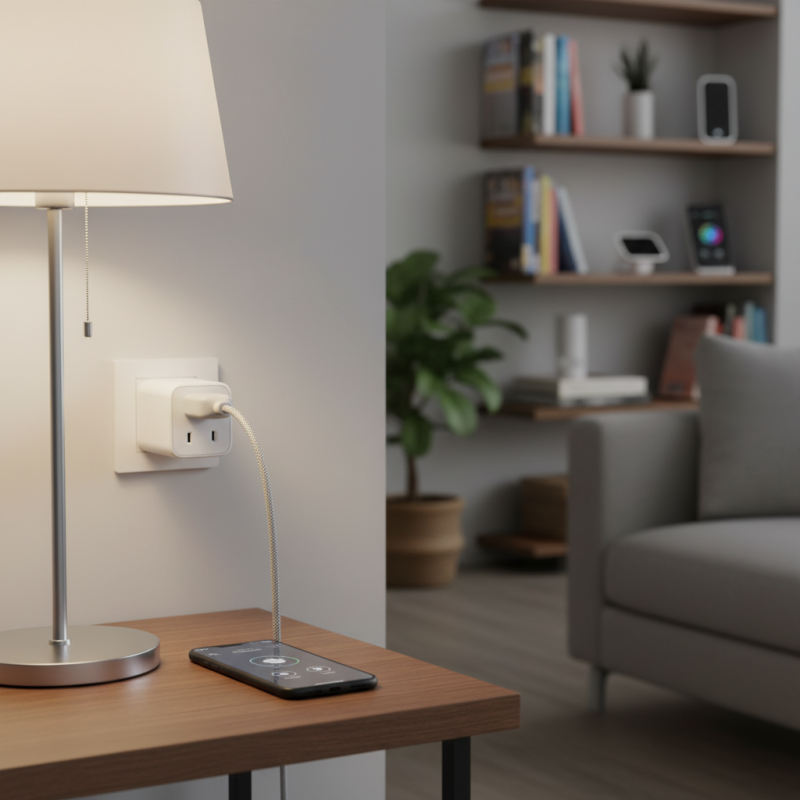
Smart plug outlets are a game changer in home automation. These devices allow users to control various appliances remotely. With a simple tap on a smartphone app, you can turn lights on or off, or schedule heating systems. This flexibility leads to increased convenience and efficiency.
Research by Statista shows that the smart home market is expected to surpass $150 billion by 2024. This significant growth highlights the popularity of smart installations, including plug outlets. Many users report lower energy bills due to efficient energy management. For instance, smart plugs can track energy consumption and help identify appliances that consume excess power.
However, potential drawbacks exist. Not every device may be compatible with smart plugs. Some users find the initial setup complicated and frustrating. Additionally, security concerns around IoT devices remain prevalent. Therefore, it's crucial for consumers to research devices and implement security measures. The benefits of smart plug outlets are undeniable, but users need to understand the limitations and risks to make informed decisions.
Choosing the Right Smart Plug for Home Automation
When selecting a smart plug for home automation, consider your specific needs. Not all smart plugs are created equal. Some support voice control, while others work with complex automation setups. Think about how you plan to use the plug. Is it for outdoor lights or indoor devices? This will guide your choice.
Compatibility is key. Ensure the smart plug works seamlessly with your existing devices. Many plugs connect with popular smart assistants. Check if your home relies on a particular ecosystem. A misalignment could lead to frustration. Simple setups often work best for beginners.
Energy monitoring is an interesting feature to consider. Some smart plugs provide insights into energy usage. This can help you identify energy hogs in your home. However, not every user needs this feature. Reflect on your habits. Might you benefit from knowledge about your appliance consumption? Understanding your priorities will lead to a more satisfying experience.
Smart Plug Usage Trends for Home Automation
Setting Up Smart Plugs for Seamless Integration
Setting up smart plugs can greatly enhance your home automation experience. Begin by placing the smart plug in a convenient spot. Make sure it is close to a power outlet and the devices you wish to control. This minimizes clutter and keeps your space tidy. Confirm that the plug is compatible with your existing smart home system. Many systems use Wi-Fi or Bluetooth for seamless connections.
After installation, download the corresponding app to your smartphone. The setup process typically involves scanning a QR code or adding the device through the app. Follow the instructions carefully. It can be frustrating if connections fail. Some users face difficulties with this step. If so, check your Wi-Fi signal strength. It needs to be strong enough to support all connected devices.
With the smart plugs set up, experiment with scheduling and remote control features. It’s beneficial to test different timings and see what works best for your needs. However, it’s important to note that not every setup will be perfect on the first try. Reflect on what adjustments are needed for optimal use. Tweak your settings until you find the right balance that enhances your daily routine.
Tips for Optimizing Energy Efficiency with Smart Plugs
Smart plugs can significantly enhance energy efficiency in your home. By allowing you to schedule on and off times, they help reduce electricity waste. For instance, if you forget to turn off a device, a smart plug can do it for you. This feature can lead to noticeable savings on your monthly utility bills.
Using smart plugs correctly is essential. Ensure that you connect energy-intensive appliances, like heaters or air conditioners, to these devices. However, not all plugs handle high wattage well. Always check the specifications before connecting. Sometimes, users report overloading issues, which can be dangerous. Analyzing your energy consumption is key. Regular monitoring can help you identify and address inefficiencies.
Incorporating automation through smart plugs is a great start. However, it's important to be mindful of your habits. Simple changes, like unplugging devices when unused, can complement smart technology. Relying solely on smart plugs won't solve all energy waste problems. Reflecting on your daily routines allows for more informed decisions about energy usage. Effective home automation is about balance and awareness.
Enhancing Security Features Through Smart Plug Automation
Automating your home with smart plugs can significantly enhance security. Imagine scheduling your lights to turn on and off at random times. This simple trick can simulate occupancy, deterring potential intruders. Additionally, pairing smart plugs with cameras and alarm systems can elevate your home’s security. Integrating these devices offers real-time alerts and increases vigilance.
Analyzing data from usage patterns can unveil potential vulnerabilities. If you notice certain appliances are left on too long, it might indicate a breach or negligence. However, users often overlook these details. It’s crucial to regularly check and update your automation settings. Outdated apps or firmware can lead to weaker security.
Consider setting up alerts for unusual power consumption. This can be an effective way to identify unauthorized usage. Though smart plugs are convenient, they are not foolproof. Regularly reviewing your setup ensures they provide the best protection. Fine-tuning your automation can lead to better outcomes and peace of mind.
