What is Solar for Your Home Benefits and Installation Guide?
Solar for your home represents a significant shift toward sustainable energy. Homeowners are exploring this option to reduce electricity bills and minimize carbon footprints. Solar panels can provide clean energy while increasing property value.
Installation can seem daunting. Knowing the right steps is crucial. This involves assessing your energy needs, choosing the appropriate system, and understanding local regulations. Homeowners often overlook these details. It's easy to feel overwhelmed by the choices available.
Yet, investing in solar is worthwhile. It offers long-term savings and environmental benefits. Communicating with specialists can address concerns and help navigate the complexities. Take time to reflect on your needs. Embrace this change for a brighter, sustainable future.
Understanding Solar Energy and Its Advantages for Homeowners
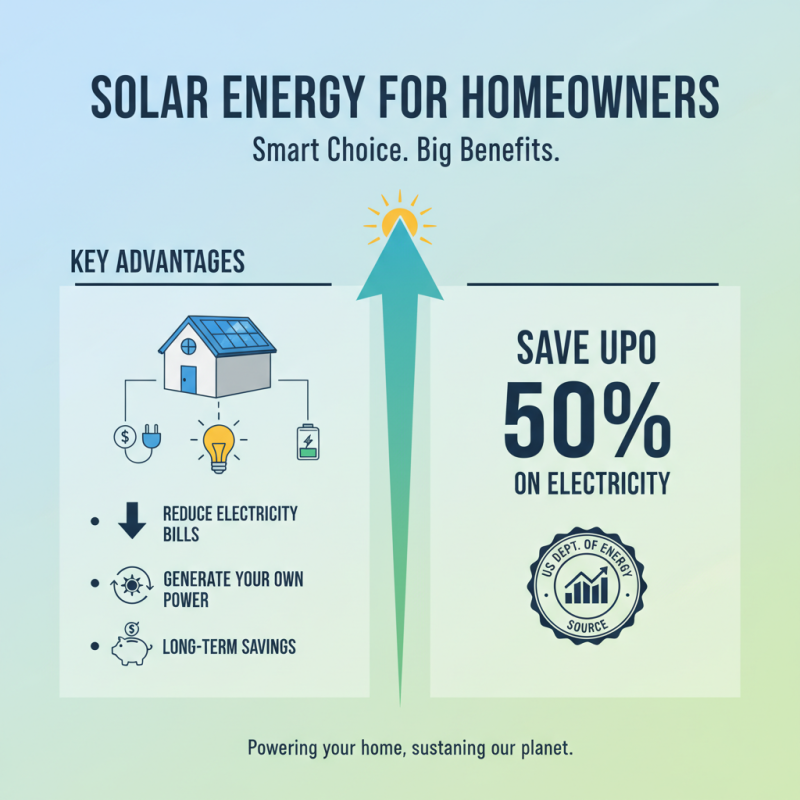
Solar energy is becoming a popular choice for homeowners. It offers numerous benefits. According to the U.S. Department of Energy, solar panels can reduce electricity bills by up to 50%. This can lead to significant savings over time. Homeowners can generate their own electricity. This energy can power everything from lights to appliances.
Installing solar panels can also increase a home's value. A recent study by Zillow found that homes with solar energy systems sell for 4.1% more. However, installation costs can be a barrier. Many homeowners worry about upfront expenses. Financial incentives like tax credits and rebates exist but may not cover all costs.
The environmental impact is another crucial factor. Solar energy reduces reliance on fossil fuels. According to the National Renewable Energy Laboratory, solar can reduce greenhouse gas emissions significantly. Yet, not all homes are suitable for solar arrays. Roof orientation and shading must be considered. Homeowners should evaluate their specific situation. Making an informed decision is essential.
Key Factors to Consider Before Installing Solar Panels
Considering solar panels for your home? Understanding key factors is essential. Installation isn't just about buying panels. It's a commitment to energy sustainability.
Many homeowners overlook roof condition. A strong roof supports solar panels. Ensure your roof can handle the installation. If your roof needs repair, fix it first. Don't ignore this; it could cost you later.
Location matters. Some areas get more sunlight. Check your local sunlight hours. This affects energy production. If your home is shaded by trees, try trimming them.
Tips: Look for local incentives. Some areas offer tax credits for solar installation. This can help offset costs.
Maintenance is necessary. Dirty panels produce less energy. Regular cleaning ensures efficiency. Be prepared to invest time or hire someone. Simple tasks can save money long-term.
What is Solar for Your Home Benefits and Installation Guide? - Key Factors to Consider Before Installing Solar Panels
| Factor |
Description |
Benefits |
Considerations |
| Cost |
Initial investment for solar panels and installation. |
Long-term savings on electricity bills. |
Check available incentives and financing options. |
| Efficiency |
Conversion rate of sunlight to electricity. |
Higher efficiency results in more energy production. |
Evaluate panel technologies (monocrystalline, polycrystalline). |
| Installation |
Professional setup needed to ensure optimal function. |
Proper installation maximizes performance and lifespan. |
Select a qualified installer with good reviews. |
| Location |
Sunlight exposure and climate conditions in your area. |
More sunlight can lead to increased energy production. |
Assess any shading from nearby trees or buildings. |
| Maintenance |
Regular checks to ensure panels are clean and functioning. |
Minimal maintenance can ensure long-lasting performance. |
Consider the cost of potential repairs or cleaning. |
Step-by-Step Guide to Solar Panel Installation at Home
Installing solar panels at home can seem overwhelming. Yet, understanding the process can simplify things. According to the U.S. Department of Energy, solar energy can reduce electric bills by up to 50%. However, homeowners must start by assessing their energy needs. Calculate how much electricity your household consumes monthly. This will help determine the system size required.
Once you've identified your needs, the next step is site assessment. Roof orientation and shading are critical. A study by the National Renewable Energy Laboratory indicates that homes with direct sunlight exposure produce up to 30% more energy. After evaluating your site, you will need permits. Different areas have varying regulations. Skipping this step can lead to fines. Many view this process as tedious, yet it is essential for legal compliance.
Finally, installation begins. Choose a reputable installer who understands local regulations. Most installations take one to three days. As you anticipate this process, consider maintenance needs. Solar panels require minimal upkeep, but they do demand periodic cleaning. Neglecting this can lead to reduced efficiency. It's essential to stay informed about your system's performance post-installation.
Benefits of Solar Energy for Your Home
This chart illustrates the various benefits of solar energy for homeowners, showcasing the percentage of homeowners who find each benefit important.
Government Incentives and Financial Options for Solar Energy
When considering solar energy for your home, government incentives can significantly reduce costs. Many regions offer tax credits, rebates, or grants for solar system installation. These financial options make solar more affordable for homeowners. It's important to research what’s available in your area. Local and state programs vary widely.
It can be overwhelming. Navigating the different incentives requires effort. Keep track of deadlines for tax credits. Not all financial options last indefinitely. Also, check for any program requirements. Some might need specific certifications or approved equipment.
Tips: Consult with a solar expert to understand your options better. They can help you find the best financial path. Also, consider sharing information with neighbors. Group purchasing programs can yield additional discounts. Every bit helps when investing in solar power.
Maintenance Tips for Optimizing Your Home Solar System
Maintaining your home solar system is crucial for maximizing efficiency. Research indicates that regular maintenance can boost energy production by up to 30%. Dust, debris, and snow can hinder performance. It’s essential to clean the solar panels every few months. A simple rinse with water removes grime effectively.
Regular inspections are imperative for spotting potential issues. Look for loose connections or signs of wear. The energy savings are tangible. A well-maintained system can yield substantial financial benefits over time. Some homeowners overlook this aspect. They may not realize that neglect can lead to higher repair costs down the line.
Monitoring energy production is vital. You can use performance monitoring tools to identify dips in output. Data shows that even a minor fault can result in a 20% drop in efficiency. It’s a reminder that attention to detail can make all the difference. Take time to evaluate your system regularly. Each small effort contributes to long-term gains in energy efficiency and financial savings.