Top 10 Cosmetic Bed Types for Global Buyers?
Choosing the right Cosmetic Bed is not a simple catalogue decision. Global buyers compare comfort, adjustment range, hygiene, durability, and after-sales support. A bed may look elegant in photographs, yet feel unstable during a long facial treatment. That difference matters.
Dr. Michael H. Gold, a cosmetic physician and medical aesthetics expert, has emphasized a practical principle: “The treatment environment should support safety, comfort, and consistent technique.” This principle applies directly to professional beds. Hydraulic models suit busy clinics. Electric beds offer smoother positioning. Portable designs help mobile therapists. Spa beds often prioritize cushioning and visual appeal. Treatment tables for waxing or massage may require stronger surfaces and easier cleaning.
This guide examines ten Cosmetic Bed types used by international buyers. It considers frame construction, motor performance, upholstery, weight capacity, packaging, and maintenance needs. It also looks at regional purchasing realities. Voltage compatibility can affect electric models. Climate can influence upholstery performance. Import costs may change the final budget considerably.
Experience often reveals what specifications hide. A quiet motor can improve the client’s sense of calm. A narrow headrest can create discomfort after twenty minutes. Easy-to-clean seams save staff time every day. Some beds still promise “premium comfort” without clear testing evidence. Buyers should question that claim.
There is no universal winner. The best choice depends on treatment style, room size, staff workflow, and local service access. Even this ranking has limits. Preferences differ, and product quality can vary between batches. Careful inspection remains essential before a large international order.
Cosmetic Bed Fundamentals: Structure, Functions, and Clinical Applications
Top 10 Cosmetic Bed Types for Global Buyers
Cosmetic Bed Fundamentals: Structure, Functions, and Clinical Applications
A cosmetic bed is more than a padded platform. Its frame, joints, foam, upholstery, and control system shape daily clinical work. Common types include electric multifunction beds, hydraulic beds, manual facial beds, massage beds, spa beds, portable beds, tattoo beds, examination couches, reclining beds, and bariatric models.
A stable steel or reinforced frame reduces movement during delicate procedures. High-density foam supports the client without creating excessive pressure points. Seam-sealed upholstery helps staff clean surfaces between appointments. Electric models usually adjust the backrest, leg section, or height through a hand control. Hydraulic models can remain useful where power access is limited. Always check the safe working load, adjustment range, noise level, and emergency lowering method.
Clinical application should guide the purchase. Facial treatments need a comfortable head section and easy operator access. Body treatments often require a wider surface and stronger support. Injectable procedures benefit from controlled positioning and firm cushioning. Massage work demands stable articulation and suitable face-hole options. Portable beds suit mobile services, but they may sacrifice weight capacity and long-term rigidity.
Small details matter. A foot control can keep gloved hands clean. Rounded corners reduce cleaning effort. Locking casters improve confidence during repositioning. Yet specifications can look better than real use. Some beds feel stable in a showroom but flex under repeated adjustment. Buyers should request load testing, inspect hinge gaps, and review local electrical and hygiene requirements before ordering.
The Ten Main Cosmetic Bed Types and Their Distinctive Features
Top 10 Cosmetic Bed Types for Global Buyers
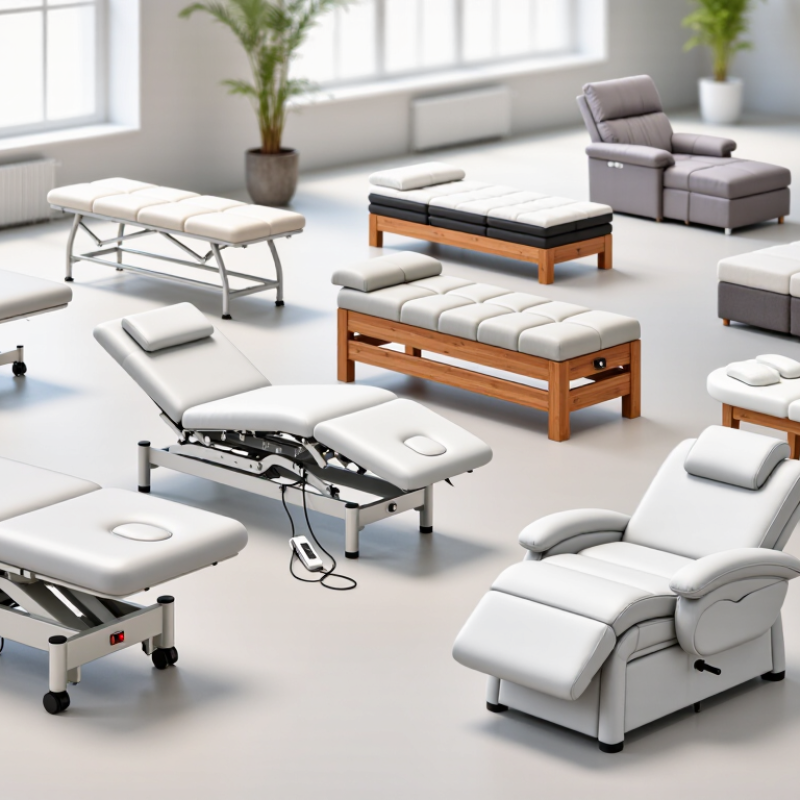
The ten main cosmetic bed types serve different treatment rooms. The electric facial bed offers adjustable height and back support. A hydraulic bed provides smooth elevation without power access. The three-motor bed adjusts height, backrest, and leg section. The four-motor model adds independent tilt control. A flat treatment bed stays simple, stable, and easy to clean. The massage cosmetic bed uses thicker foam and a wider surface. A heated bed improves comfort during longer sessions, but heat can feel excessive. The portable folding bed suits mobile therapists and small studios. The lash bed supports a low, relaxed position for precise eye work. The multifunctional spa bed combines facial, body, and waxing functions.
Demand requires careful interpretation. The ISAPS Global Survey reported 34.9 million surgical and nonsurgical aesthetic procedures worldwide in 2023. That volume increases pressure on comfort, hygiene, and workflow. The Global Wellness Institute valued the global wellness economy at 5.6 trillion dollars in 2022. These figures support investment in adaptable equipment, not automatic preference for luxury features. In practical evaluations, a quiet motor, washable upholstery, and stable casters often matter more than decorative stitching. Specifications can mislead.
Tips: Match the bed to treatment duration, room size, and client weight range. Check the working height with real practitioners. Test the backrest while standing beside the bed. Leave space for towels, lamps, and rolling stools. A portable model may save space, yet its lighter frame can reduce stability. This trade-off deserves honest review.
Top 10 Cosmetic Bed Types for Global Buyers
Typical adjustable sections found in widely used professional cosmetic and wellness beds
How to read the chart: The values represent the typical number of independently adjustable sections in each bed type. More sections generally provide greater positioning flexibility, while simpler flat beds are often preferred for portability, massage, lash, or basic facial treatments. Actual configurations vary by construction and treatment purpose.
Selecting Cosmetic Beds by Treatment, Space, and User Requirements
Top 10 Cosmetic Bed Types for Global Buyers
Selecting Cosmetic Beds by Treatment, Space, and User Requirements
Cosmetic beds should match treatment pressure, client posture, and room dimensions. The ISAPS Global Survey 2023 recorded 34.9 million aesthetic procedures worldwide. Non-surgical treatments represented about 19.1 million procedures. This demand supports flexible beds for facials, injectables, laser sessions, and skin analysis.
Electric facial beds suit clinics needing adjustable height, backrest, and leg positioning. Hydraulic beds offer stable lifting without electrical access. Portable beds help mobile therapists, but thinner padding may reduce comfort. Lash beds need a supportive head area and low vibration. Waxing beds require washable upholstery and easy access from both sides. Massage beds need wider surfaces and stronger weight capacity. Tattoo beds demand firm positioning and practical height adjustment. Spa beds often combine facial, massage, and body treatments. Reclining treatment chairs suit compact rooms and short procedures. Examination-style beds may work for clinics with frequent consultations, but they can feel less relaxing.
Tips: Measure the door, treatment area, and operator’s reach before ordering. Leave at least 60 centimeters around active working sides where possible. Check the safe working load, foam density, upholstery resistance, and electrical certification for the destination market. The Global Wellness Institute valued the wellness economy at 6.3 trillion dollars in 2023, but market growth should not replace careful purchasing. A perfect bed does not exist. I have seen buyers prioritize appearance, then regret poor access and difficult cleaning. User height, treatment duration, and cleaning routines deserve equal attention.
Global Purchasing Criteria: Safety, Standards, Materials, and Support
Top 10 Cosmetic Bed Types for Global Buyers
Global buyers often compare electric, hydraulic, portable, foldable, facial, massage, lash, waxing, heated, and multifunctional cosmetic beds. Each type suits different treatments, room sizes, and client expectations. In purchasing audits, I check frame stability before upholstery design. A bed should remain steady when clients turn or sit upright. Smooth height adjustment also protects practitioners from repeated back strain.
Safety documents matter. Ask for load ratings, fire-resistance information, electrical test reports, and clear user instructions. Confirm the voltage, plug type, and replacement-part availability for your market. Materials deserve equal attention. Easy-clean synthetic leather, sealed seams, corrosion-resistant metal, and low-odor foam support daily hygiene. Natural wood can look warm, but unfinished surfaces may absorb moisture. The attractive option is not always the practical one.
Tips: Request product samples, inspection photos, and packaging details before payment. Check whether the hydraulic pump moves evenly and whether hinges create finger gaps. A small gap can become a real injury risk. Also, ask about warranty coverage, technician response times, and spare-part storage. I have seen buyers focus on shipping price and overlook after-sales support. That choice often becomes expensive. Standards vary across countries, so independent testing may still be sensible when documents look incomplete. Perfect compliance is difficult to confirm remotely. A careful supplier should welcome questions, not avoid them.
