Top 10 Solar Energy Solutions for a Sustainable Future?
The transition to renewable energy is crucial for a sustainable future. Solar energy solutions are at the forefront of this movement. According to the International Renewable Energy Agency (IRENA), solar energy capacity has increased tenfold over the past decade. This rapid growth highlights the potential of solar technology to combat climate change.
Dr. Emily Carter, a leading expert in solar energy solutions, emphasizes, “The shift to solar is not just an option; it’s a necessity.” As communities seek alternative energy sources, they face challenges. High initial costs and technology accessibility are barriers for many. Yet, innovative financing models and governmental incentives are emerging, making solar energy solutions more attainable.
Furthermore, while solar panels are becoming more efficient, reliance on them can create energy storage dilemmas. As we embrace these technologies, it's essential to evaluate their environmental impacts critically. The journey towards a sustainable future with solar energy solutions is ongoing, filled with opportunities and reflections on our collective responsibility to the planet.
Innovative Photovoltaic Technologies Revolutionizing Solar Energy
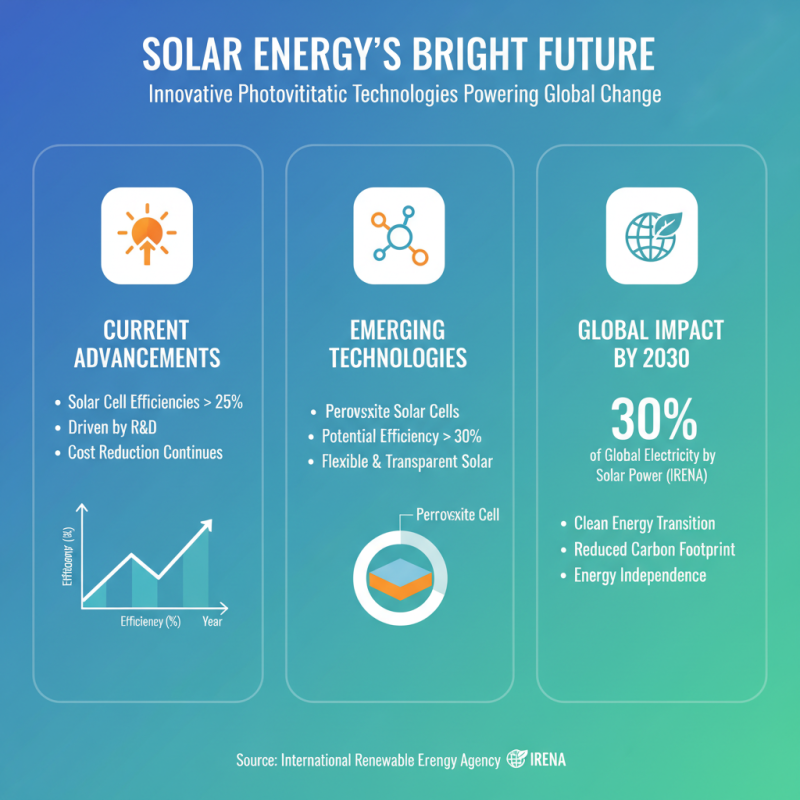
Innovative photovoltaic technologies have the potential to transform the solar energy landscape. According to the International Renewable Energy Agency (IRENA), solar power could account for over 30% of global electricity by 2030. This is driven by advancements in solar cells, which now boast efficiencies above 25%. Emerging technologies like perovskite solar cells promise even higher efficiencies, potentially exceeding 30% soon.
Yet, challenges remain. The production of photovoltaic materials often involves harmful processes. Waste management and recycling of old panels pose risks. A report by the National Renewable Energy Laboratory (NREL) indicates that only 10% of solar panels are currently recycled. New methods must develop to minimize environmental impact and enhance sustainability.
Bifacial solar panels are gaining traction, capturing light from both sides. This can increase energy output by up to 20%. However, installation and maintenance costs can deter widespread adoption. Further innovation is needed to make these options more accessible. The road to a sustainable future in solar energy is promising, yet it is still fraught with obstacles that require our attention.
Efficiency Improvements in Solar Panels for Energy Sustainability
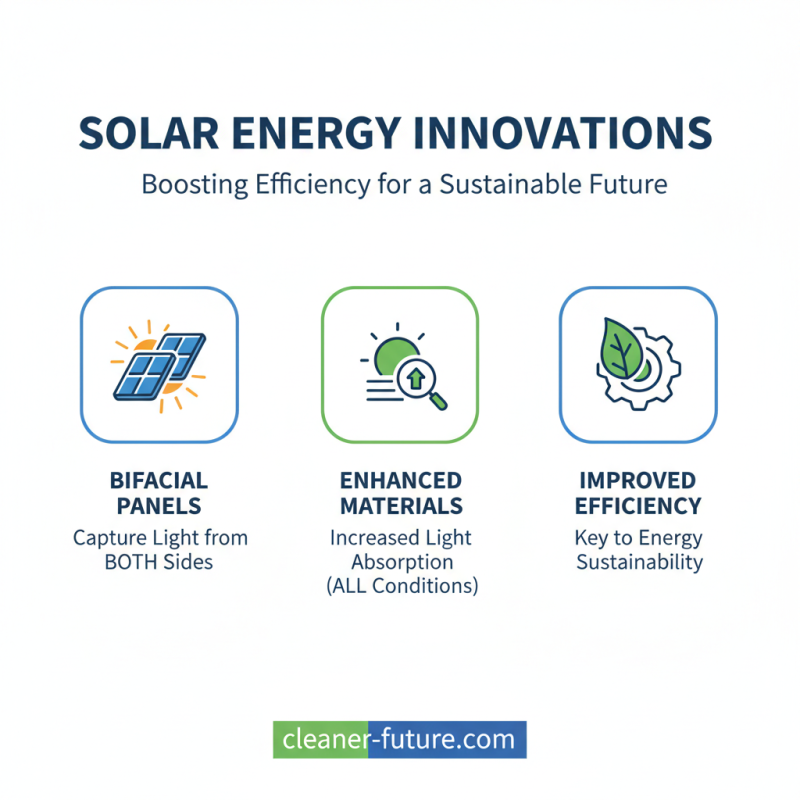
The solar energy sector is witnessing significant efficiency improvements in solar panels. These advancements are crucial for achieving energy sustainability. New technologies, such as bifacial panels, capture sunlight from both sides, increasing energy output. Enhanced materials also play a role, allowing panels to absorb more light in diverse conditions.
Despite these developments, challenges remain. Some panels still struggle in low-light situations. Dirt and debris can hinder their performance. Regular cleaning and maintenance are essential, yet often overlooked. Moreover, the recycling of old panels raises environmental concerns. Efficient disposal is not always guaranteed, which poses a threat to sustainability goals.
Efficiency gains are promising but not without flaws. The technology needs continual refinement. External factors, like changing climates, impact effectiveness. A larger focus on research and development is vital. This can propel global efforts toward a cleaner energy future. Striving for better solutions is a journey filled with obstacles, yet it is necessary for progress.
Emerging Solar Storage Solutions for Enhanced Energy Management
Emerging solar storage solutions are vital for a sustainable energy future. As solar energy adoption grows, effective storage systems are essential. According to the International Renewable Energy Agency (IRENA), global installed solar photovoltaic capacity reached over 800 GW in 2021. This growth demands innovative storage technologies to manage energy supply.
Battery systems are at the forefront of this movement. They allow for energy capture during peak sunlight. The Global Battery Alliance indicates that by 2030, the battery market will reach over $100 billion. However, this industry still grapples with challenges like recycling and sustainability. Only 5% of lithium-ion batteries are recycled today, highlighting the need for improvement.
Other storage options, such as pumped hydro storage and thermal energy storage, also play important roles. Pumped hydro storage accounts for nearly 95% of global utility-scale energy storage. However, the geographic limitations of this technology can hinder its expansion. Enhanced energy management is crucial to integrate these systems into existing grids effectively. Balancing efficiency, cost, and environmental impact remains a critical challenge for all stakeholders in the energy sector.
Top 10 Solar Energy Solutions for a Sustainable Future
This chart illustrates the adoption rates of various solar energy solutions essential for a sustainable future. As we see, solar panels and batteries are leading, showcasing their pivotal role in energy management.
Integrating Solar Energy into Smart Grid Systems
Integrating solar energy into smart grid systems presents both exciting potential and significant challenges. Smart grids enhance the efficiency of energy distribution. They allow for better management of energy loads and sources. This integration can lead to reduced energy waste, creating a more sustainable future.
However, there are obstacles to navigate. Technological limitations can hinder solar energy integration. Solar panels depend on sunlight, which can be inconsistent. As a result, energy storage becomes crucial. Without effective storage solutions, excess energy during peak sunlight hours may be wasted. This inefficiency begs for improvement.
Community involvement is essential in this transition. Public awareness of solar benefits can drive support for smart grids. Local governments may need to step up and facilitate these changes. Yet, resistance to adopting new technologies often arises. Addressing concerns and misconceptions remains a significant task. Balancing innovation with practicality is vital. The path forward is complex, but it holds promise for a greener future.
Government Policies and Incentives Promoting Solar Energy Adoption
Government policies play a crucial role in promoting solar energy adoption. Various incentives encourage both residential and commercial installations. Tax credits, rebates, and grants significantly lower the upfront costs for consumers. Unfortunately, not all regions offer these benefits equally. Some areas struggle with limited funding for solar programs.
Each government program has its complexities. Navigating the paperwork can be daunting. Many potential users may feel discouraged. Educating the public about available resources is essential. Local workshops and online campaigns can bridge this gap. However, not enough outreach efforts currently exist. Communities need to advocate for clearer information.
Incentives vary by state, leading to disparities in adoption rates. Some states see rapid growth, while others lag behind. This inconsistency can create frustration. Policymakers must address these inequalities. More uniform programs would help ensure that solar energy benefits everyone. It’s a step towards a truly sustainable future.
Top 10 Solar Energy Solutions for a Sustainable Future
| Rank |
Solar Solution |
Description |
Government Incentives |
Estimated Cost ($) |
| 1 |
Residential Solar Panels |
Photovoltaic panels for home energy needs. |
Tax credits, rebates |
10,000 |
| 2 |
Solar Water Heating |
Using solar energy to heat water for residential or commercial use. |
Rebates, performance-based incentives |
5,000 |
| 3 |
Community Solar Projects |
Shared solar power for communities. |
Incentives for project development |
Varies |
| 4 |
Solar Carports |
Parking structures equipped with solar panels. |
Local grants, tax deductions |
15,000 |
| 5 |
Solar Battery Storage |
Storing excess solar energy for later use. |
Battery incentives, tax credits |
7,000 |
| 6 |
Solar Heating for Pools |
Maintaining pool temperature using solar panels. |
Incentives for residential systems |
3,000 |
| 7 |
Solar-Powered Streetlights |
Street lighting systems powered by solar energy. |
Municipal grants |
2,500 |
| 8 |
Solar Thermal Systems |
Generate heat from solar energy for various applications. |
State incentives |
12,000 |
| 9 |
Building-Integrated Photovoltaics (BIPV) |
Solar panels integrated into building materials. |
Incentives for sustainable designs |
Variable |
| 10 |
Solar-Powered EV Charging Stations |
Charging infrastructure powered by solar energy. |
Tax rebates, grants |
20,000 |