Why Choose Solar Panels for Your Business?

For many businesses, solar panels are no longer a distant environmental idea. They are a practical investment that can reduce daytime electricity costs, improve energy resilience, and strengthen a company’s public reputation. Fatih Birol, Executive Director of the International Energy Agency, has said, “Solar PV is now the cheapest source of electricity in history.” His observation reflects a major shift in energy economics, although the real value still depends on local conditions.

A warehouse roof can host a carefully sized system, turning unused space into productive infrastructure. During a sunny afternoon, panels may power refrigeration units, office equipment, or production machinery. Battery storage can support operations after sunset, but it also adds cost, maintenance, and replacement concerns. The details matter.

Not every roof is suitable.

A professional assessment should examine roof age, structural strength, shading, electricity tariffs, and local installation standards. Businesses should also compare warranties, installer experience, monitoring systems, and projected payback periods. A low quoted price can hide weaker equipment or limited after-sales support. That mistake can become expensive.

Solar panels may not eliminate grid dependence, and cloudy weather still affects generation. However, a well-designed system can provide measurable savings over many years. It can also reduce exposure to rising utility prices and demonstrate credible environmental action. Claims should remain evidence-based, not exaggerated. The strongest business case combines engineering data, transparent financial modeling, and realistic expectations. Sometimes, the best decision is a smaller system installed carefully rather than a larger one chosen for appearance.
Why Choose Solar Panels for Your Business?

What Solar Panels Are and How They Generate Business Energy

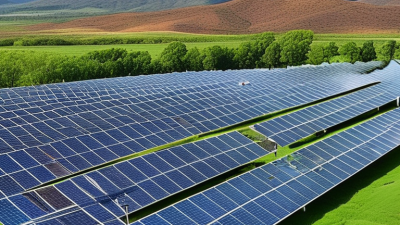
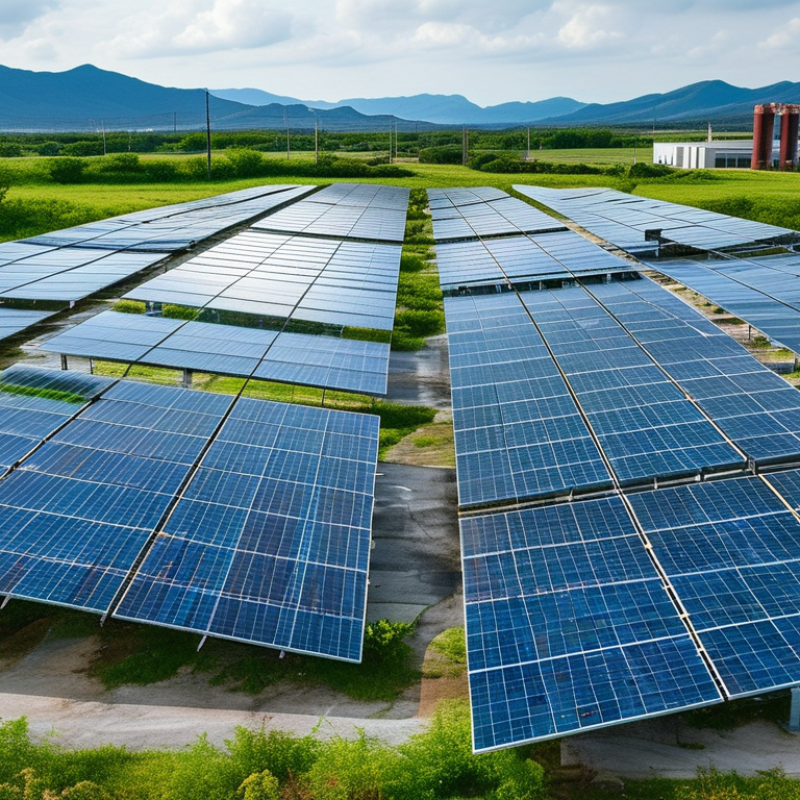
Solar panels are semiconductor devices that convert sunlight into direct-current electricity. Photovoltaic cells absorb photons, releasing electrons and creating an electrical flow. An inverter then changes that flow into alternating current for office equipment, refrigeration, lighting, and machinery.

The process is quiet and visible. Panels sit on a roof or ground structure, while cables connect them to an inverter and the building’s electrical system. During sunny hours, a business can use the generated power immediately. Excess electricity may enter a battery or the local grid, depending on local rules and the approved connection.

The scale is already significant. The International Renewable Energy Agency reported 1,419 gigawatts of global solar capacity at the end of 2023 in Renewable Capacity Statistics 2024. Its figures also recorded about 345 gigawatts of new solar capacity that year. That growth shows technical confidence, not guaranteed savings for every site.

Roof condition matters. So does shade. A professional assessment should examine orientation, structural strength, hourly consumption, and seasonal weather. The National Renewable Energy Laboratory notes that production estimates depend on solar resource, system losses, and equipment performance. The calculation is never perfect. Dust, storms, and unexpected load changes can reduce output. Businesses should compare measured electricity use with conservative generation estimates before investing.
Why Choose Solar Panels for Your Business?

What Solar Panels Are and How They Generate Business Energy

Solar panels use photovoltaic cells to convert sunlight directly into electricity. The chart compares median lifecycle greenhouse gas emissions from major electricity sources, including the emissions created during manufacturing, construction, operation, and decommissioning. Lower values indicate a lower carbon intensity per kilowatt-hour of electricity generated.

Source: IPCC Fifth Assessment Report, Working Group III, Annex III. Values are median lifecycle emissions in grams of CO₂-equivalent per kilowatt-hour.

The Main Financial Benefits of Commercial Solar Power

Why Choose Solar Panels for Your Business?

The Main Financial Benefits of Commercial Solar Power

Commercial solar panels can reduce a business’s exposure to rising electricity prices. A factory with a large daytime load may use most generated power immediately. That can lower monthly utility charges without changing daily operations. Offices, warehouses, and retail sites can benefit differently. Their savings depend on roof size, energy demand, local rates, and system design.

The payback is not always quick. A proper assessment should compare installation costs, financing charges, maintenance, and expected production. A shaded roof may reduce output more than early estimates suggest. That detail matters. Businesses should review several years of electricity bills before approving a project. Professional installers can also examine roof condition, structural capacity, and local permitting requirements.

Solar may provide additional financial value through available tax credits, deductions, or renewable energy incentives. These rules differ by location and can change over time. A qualified tax adviser should confirm eligibility. Some companies choose financing to preserve cash for equipment, staffing, or expansion. Others purchase the system and retain more long-term savings. The best option depends on cash flow and risk tolerance.

There is no universal payback period. Results should be measured, not assumed. Monitoring software can compare production with forecasts and identify performance problems early. Even then, weather creates uncertainty. A realistic financial model includes conservative energy estimates, replacement costs, and possible roof repairs.

How Solar Energy Supports Business Sustainability Goals

Solar panels can turn an unused roof into a working business asset. For sustainability teams, that changes more than the electricity bill. It creates measurable progress toward lower operational emissions. A typical assessment begins with twelve months of utility data, roof orientation, shading, and daytime load patterns. These details matter. A warehouse with strong midday demand may use solar power directly, reducing grid purchases during production hours. An office with evening demand may need batteries or a different operating plan.

Reliable planning also protects credibility. An independent energy professional can model seasonal output, inspect roof condition, and check local connection requirements. The business should receive clear assumptions, expected generation, maintenance needs, and financial sensitivity ranges. Carbon claims should use documented electricity data, not optimistic estimates. A monthly dashboard can track kilowatt-hours produced, grid electricity avoided, system downtime, and emissions factors. This evidence supports sustainability reports and gives managers something practical to review.

Solar is not a perfect answer. Panels may perform poorly under shade, dust, or prolonged heat, while old roofs can add unexpected costs. A poorly sized system may export excess electricity instead of supporting operations. That risk deserves honest discussion. In practice, strong projects combine solar with efficiency work, such as LED upgrades, insulation, and better equipment scheduling. Staff training also helps; a switched-off machine can save energy immediately. Results should be checked after installation, because the original model can be wrong. Real performance sometimes challenges the plan.

Key Factors to Consider Before Installing Solar Panels

Choosing solar panels for a business begins with the building, not the sales estimate. A site assessment should record roof age, load capacity, drainage, shading, and safe access. At noon, nearby trees may cast narrow shadows across several rows. Small shadows can reduce output more than expected. An independent structural engineer should confirm the roof can carry panels, rails, and wind loads. This check protects workers and the investment. Roof repairs may be cheaper before installation. They are much harder afterward.

Study electricity use by hour, not only the monthly bill. A factory operating during daylight may use solar power directly. An office that peaks after sunset may need battery storage or another design. Ask for twelve months of bills, estimated production, degradation assumptions, maintenance costs, and payback scenarios. Request calculations in writing. Precise numbers can hide weak assumptions. The uncomfortable truth is simple: solar does not automatically mean lower costs. Financing charges, inverter replacement, grid fees, and cloudy seasons can change the result.

Use qualified professionals who can explain permits, fire access, electrical protection, interconnection rules, and worker safety. Local requirements vary, so confirm them with the utility and relevant authorities. Review workmanship terms and service responsibilities before signing. Keep inspection records, production reports, and maintenance dates. A small business should also consider cash flow, insurance, and future roof plans. Do not rush. A suitable system fits the building’s risks, operating hours, and budget, even when the final panel count is smaller than expected.

Why Choose Solar Panels for Your Business? - Key Factors to Consider Before Installing Solar Panels

Factor Typical Data or Benchmark Why It Matters to a Business What to Check Before Installation
Solar Resource Commercial solar projects commonly achieve a capacity factor of approximately 15%–25%, depending on location, orientation, shading, and system design. A stronger solar resource generally produces more electricity from the same installed capacity and can improve project economics. Review local solar irradiation, shading throughout the year, roof orientation, tilt, and nearby obstructions.
Electricity Consumption A commercial energy assessment should use at least 12 months of electricity bills and, where available, interval data showing hourly or half-hourly demand. Matching solar production with daytime demand can increase on-site consumption and reduce purchases from the grid. Analyze seasonal demand, operating hours, peak loads, demand charges, and expected changes in business activity.
Available Roof or Land Area A 1 megawatt solar installation may require roughly 4–8 acres of land, while rooftop requirements vary substantially with panel efficiency, access paths, setbacks, and roof layout. Adequate usable space determines the maximum system size and whether the project can offset a meaningful share of electricity use. Measure usable area and account for HVAC equipment, skylights, fire lanes, maintenance access, drainage, and required setbacks.
Roof Condition and Structural Capacity Solar equipment can remain in service for 25–30 years, so a roof with limited remaining life may need repair or replacement before installation. Installing panels on a roof requiring major work can increase costs and may require temporary system removal later. Obtain a professional structural assessment, confirm roof age and warranty terms, and evaluate wind, snow, and seismic requirements.
System Size and Production Annual output depends on system capacity, local sunlight, losses, equipment configuration, temperature, soiling, and shading. A site-specific production model is required for a reliable estimate. Correct sizing helps balance capital cost, available space, on-site consumption, and electricity-bill savings. Compare modeled annual generation with historical load and request assumptions for system losses, degradation, and shading.
Financial Return Commercial solar payback periods often fall within approximately 5–12 years, but actual results vary with installed cost, energy prices, incentives, financing, and system performance. A shorter payback period can improve cash flow and reduce exposure to future electricity-price increases. Calculate net present value, internal rate of return, payback period, financing cost, maintenance, insurance, and sensitivity to electricity prices.
Equipment Degradation Solar modules commonly lose approximately 0.3%–0.8% of rated output per year, depending on technology and environmental conditions. Accounting for gradual output reduction produces a more realistic long-term savings forecast. Review product warranties, degradation assumptions, temperature coefficients, and the expected output at the end of the analysis period.
Grid Connection and Export Rules Interconnection timelines and export compensation differ by utility territory and jurisdiction; approval may require technical studies and inspections. Connection limits and export rates affect system design, savings, project schedule, and the value of excess generation. Confirm application requirements, transformer capacity, export limits, metering rules, standby charges, and expected approval dates.
Energy Storage Battery storage can shift solar electricity to later hours and provide backup or demand-management benefits, but it adds capital cost and replacement considerations. Storage may increase self-consumption, reduce peak demand, and improve resilience where outages have significant operational costs. Compare battery cost, usable capacity, round-trip efficiency, cycle life, fire-safety requirements, backup loads, and expected operating strategy.
Maintenance and Cleaning Solar PV systems generally have low routine maintenance needs, but inspections, monitoring, vegetation control, inverter servicing, and occasional cleaning may be required. Planned maintenance helps identify faults early and protect energy production over the operating life of the system. Budget for inspections, monitoring, cleaning based on local soiling, replacement components, insurance, and access arrangements.
Permits and Compliance Projects may require building, electrical, fire-safety, zoning, environmental, and utility approvals, depending on location and system type. Incomplete permitting can delay construction, increase costs, or prevent the system from being legally energized. Create a permitting schedule and verify local code requirements, inspection stages, utility documentation, and fire-access provisions.
Environmental and Business Benefits Solar generation produces electricity without direct combustion emissions during operation; total lifecycle impacts depend on manufacturing, transport, installation, and end-of-life management. Solar can support emissions-reduction targets, improve energy-risk management, and demonstrate progress toward sustainability goals. Define reporting boundaries, estimate displaced grid emissions using local data, and plan for equipment recycling or responsible disposal.

Note: All figures are general planning ranges. A qualified site assessment and location-specific financial model are required before making an investment decision.

The Process of Planning, Installing, and Maintaining a Solar System

Planning a commercial solar system begins with evidence, not panel counts. Review twelve months of electricity bills, operating hours, roof age, shading, and future expansion plans. A site assessment should measure roof strength, drainage, access, and safe working areas. Energy demand may change after equipment upgrades, so leave practical room for growth. Early estimates can be too optimistic. That is a planning lesson worth respecting.

During installation, a qualified engineer should confirm system design, electrical protection, permits, and utility requirements. Installers must secure mounting structures against local wind conditions and protect roof penetrations from leaks. Clear labeling helps future technicians work safely. Before activation, inspect cable routes, grounding, inverter settings, and monitoring data. Photographing hidden connections can provide useful maintenance records. Small details matter.

Tips: Keep one folder for drawings, warranties, inspection reports, and service notes. Clean panels only when dirt noticeably reduces output, and use safe access methods. Check monitoring data monthly for sudden production drops. Schedule professional inspections after severe weather and at planned intervals. Do not ignore unfamiliar sounds, water stains, or repeated electrical alerts. Solar maintenance is usually simple, but neglected faults can become expensive. A sensible review compares expected and actual production, then adjusts assumptions for seasonal weather, shading, and changing business activity.