How to Choose the Best Home Battery Storage for Your Needs?
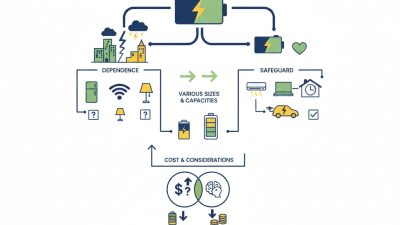
Selecting the right home battery storage is crucial for energy efficiency. It can significantly reduce electricity costs. Home battery storage systems store energy from renewable sources like solar panels. This stored energy can be used during peak hours or outages. With rising energy demands, understanding your storage needs becomes essential.
The variety of options available can be overwhelming. Factors like capacity, lifespan, and cost should be taken into account. Not all batteries are designed for every home. It’s vital to assess your energy consumption patterns. This knowledge will guide you in choosing the most suitable system.
Mistakes can happen during selection. Choosing a system that’s too small may lead to insufficient power. Conversely, overspending on a large capacity system isn’t wise if your needs are minimal. It’s essential to weigh your choices carefully. Proper research and perhaps consultations with experts can help avoid common pitfalls. The right home battery storage solution will enhance your energy independence and reliability.
Understanding Home Battery Storage: Key Concepts and Terminology
Home battery storage has gained attention recently. These systems store electricity for later use. Understanding some key concepts can help you choose wisely.
Capacity is crucial. It measures how much energy a battery can hold. Think about how much power your home typically uses. Assessing your daily energy needs will guide your choice.
Efficiency is another important factor. It indicates how much energy is usable after storage. Higher efficiency means more savings. Consider researching various types of batteries. Some might not perform as expected under certain conditions.
When evaluating options, always read customer reviews. Look for real-life performance reports. You may find inconsistencies that major brands don’t highlight. Test the battery under different scenarios to see how it holds up.
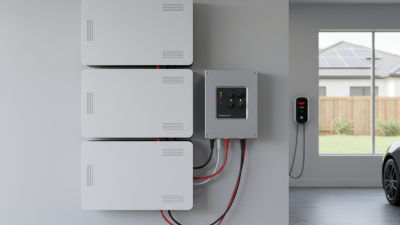
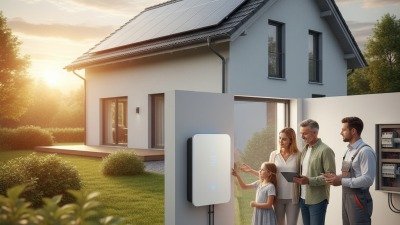
Keep in mind that installation matters. Professional installation can help avoid costly mistakes. But, ensure you understand the process. Overall, understanding these concepts will lead to better decisions.
Evaluating Your Energy Needs: Assessing Consumption Patterns
When evaluating your energy needs, understanding your consumption patterns is crucial. Start by analyzing your electricity bills. Look for peak usage times. Identify which appliances consume the most energy. This knowledge can guide you in selecting the right battery storage capacity.
Consider your lifestyle. Do you work from home? Do you have electric vehicles? This influences how much energy you typically use each day. Keeping track of seasonal variations helps too. For instance, air conditioning in summer can spike your consumption. These factors lead to informed decisions about storage solutions.
There's no one-size-fits-all approach. Some homes might need higher capacity to cover their daily use, while others may only require backup during outages. Reflect on your choices; what worked last year may not fit this year. If you notice changes in your habits, revisit your assessments. Understanding these dynamics allows you to adapt your energy strategy effectively.
Comparing Battery Types: Lithium-Ion vs. Lead-Acid Solutions
When selecting the right home battery storage, understanding the differences between lithium-ion and lead-acid batteries is crucial. Lithium-ion batteries are lightweight and have a longer lifespan. They offer higher energy density, making them more efficient for daily energy use. On the other hand, lead-acid batteries are generally cheaper upfront and have been used for decades. However, they are bulkier and require more maintenance.
Consider your energy needs. If you use a lot of power during peak hours, lithium-ion might be your best bet. But if you need backup for occasional outages, lead-acid could suffice. Think about your available space too. If you have limited room, the compact design of lithium-ion batteries can be advantageous.
Evaluate your budget carefully. While lead-acid batteries are cheaper initially, their shorter lifespan may lead to higher future costs. It’s worthwhile to estimate total lifecycle costs for a clear comparison. Articulating your energy goals can help refine your choice. Assess the pros and cons of each type critically, as each has its strengths and weaknesses. Ultimately, knowing your specific requirements can lead to smarter energy storage decisions.
How to Choose the Best Home Battery Storage for Your Needs? - Comparing Battery Types: Lithium-Ion vs. Lead-Acid Solutions
| Battery Type |
Capacity (kWh) |
Cycle Life |
Efficiency (%) |
Cost per kWh |
Weight (lbs) |
| Lithium-Ion |
10 |
2000 - 5000 |
90 - 95 |
$400 - $700 |
100 |
| Lead-Acid |
10 |
500 - 1000 |
70 - 80 |
$200 - $300 |
250 |
Analyzing Storage Capacity: Determining Kilowatt-Hours Required
When choosing home battery storage, analyzing your storage capacity is crucial. Understanding kilowatt-hours (kWh) is the first step. This measurement tells you how much energy can be stored and used. For instance, a household that uses an average of 30 kWh per day needs a battery system that can accommodate this demand.
Consider your daily energy consumption patterns. Keep track of your usage during peak and off-peak times. A system that provides flexibility can be beneficial. If your usage fluctuates, you may find that a larger battery is necessary at certain times. It's easy to underestimate your needs, leading to insufficient power during crucial times.
Reflect on your current energy sources too. Are you heavily reliant on grid power, or do you use solar panels? The integration of these sources with your battery system is important. It can help reduce costs and reliance on the grid. Balancing your energy needs with the right battery storage can be complex. However, understanding your specific requirements is the key to making an informed decision.
Cost Considerations: Budgeting for Purchase and Installation Expenses
When considering home battery storage, cost is a major factor. Budgeting for purchase and installation is crucial. Prices for batteries can vary widely. You might find options ranging from a few thousand to tens of thousands of dollars. It's essential to research what fits within your financial plans. Look beyond the initial purchase price. Installation costs can also add up quickly.
Professional installation ensures safety and efficiency but may impact your overall budget significantly.
Think about long-term expenses too. Maintenance and potential repairs should be on your radar. Some systems claim low maintenance, but they may require more attention than advertised. You should also account for energy savings. A higher upfront cost might yield greater savings over time. Balancing initial costs with future benefits is key. The process involves some trial and error, requiring careful assessment of your needs and expectation. Each home's energy demands are unique, and what works for one may not for another. Reflection on your choice will aid in making the right investment.