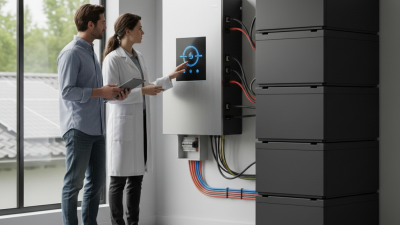
Choosing a reliable solar power battery backup requires more than comparing storage capacity and price. Global buyers face different sunlight conditions, grid standards, climates, and service networks. A system that performs well in Sydney may need different settings in Nairobi or Berlin. This guide examines practical battery solutions for homes, small businesses, and remote properties.
The comparison considers usable capacity, battery chemistry, inverter compatibility, charge speed, warranty terms, and installation requirements. Lithium iron phosphate batteries often provide strong cycle performance and stable thermal behavior. However, specifications can hide important details. Check the usable energy, not only the advertised capacity. A ten-kilowatt-hour battery may deliver less after reserve limits and conversion losses.
Real-world operation matters.
A dependable solar power battery backup should keep essential loads running during outages. These may include refrigerators, medical equipment, network devices, lights, and water pumps. Buyers should confirm continuous output, surge capacity, automatic transfer time, and monitoring options. A quiet system may suit an apartment, while a weather-resistant enclosure may matter more for a coastal installation. Local technicians and replacement-part availability also deserve careful attention.
No single model fits every market. Import duties, certification requirements, and voltage differences can change the final cost significantly. Product rankings can also become outdated as manufacturers revise firmware, warranties, or battery cells. That limitation deserves honesty. Readers should verify current documentation before ordering. An experienced installer can test the roof array, inspect the main panel, and calculate realistic daily consumption. With those checks, global buyers can select a safer, more practical backup system rather than simply choosing the largest battery.
Top Solar Power Battery Backup Systems for Global Buyers
What a Solar Power Battery Backup System Is
A solar power battery backup system stores electricity for use when sunlight or grid power is unavailable. Solar panels generate direct-current electricity during daylight. A charge controller manages the battery’s charging process. An inverter changes stored electricity into alternating current for household appliances.
The battery is the system’s energy reservoir. Its capacity, measured in kilowatt-hours, affects how long it can support essential loads. Inverter output, measured in watts, determines which devices can run together. A refrigerator may need extra starting power, while lights and routers usually require much less. This difference is easy to overlook.
In practical installations, buyers should list daily energy use before choosing equipment. A system for lights, medical equipment, and communications needs different planning from one supporting heating appliances. Battery chemistry, operating temperature, installation space, and expected backup hours also matter. Some systems can work with the grid, while others operate independently.
It is not a magic box.
Cloudy weather reduces solar production, and batteries gradually lose usable capacity. Poor ventilation, incorrect wiring, or weak protection devices can create serious hazards. Qualified installers should verify local electrical requirements and emergency shutoff access. I would also question oversized systems; more capacity can mean higher cost, heavier equipment, and unused storage. Reliable performance comes from matching the system to real household needs, not from choosing the largest battery available.
| System Configuration | Typical Battery Chemistry | Nominal Battery Capacity | Typical Usable Capacity | Continuous Inverter Output | Solar Input Range | Recommended Backup Loads | Estimated Runtime at 500 W Load | Round-Trip Efficiency | Best Application |
|---|---|---|---|---|---|---|---|---|---|
| Compact Portable Backup | Lithium iron phosphate (LiFePO4) | 0.5–1.0 kWh | 0.4–0.8 kWh | 500–1,000 W | 100–400 W DC | Router, phones, LED lights, laptops, small medical devices | 45–90 minutes | Approximately 80–90% | Short outages, travel, emergency communications |
| Essential-Loads Home System | LiFePO4 | 2–5 kWh | 1.6–4.0 kWh | 1,500–3,000 W | 500–1,500 W DC | Refrigerator, lighting, internet equipment, television, small appliances | 3–7 hours | Approximately 85–92% | Small homes and apartments with selected circuits |
| Medium Residential Backup | LiFePO4 | 5–10 kWh | 4.0–8.0 kWh | 3,000–5,000 W | 1,000–3,000 W DC | Refrigerator, freezer, lighting, networking, sump pump, electronics | 7–14 hours | Approximately 85–93% | Daily cycling and overnight outage protection |
| Whole-Home Critical-Circuit System | LiFePO4 or other lithium-ion chemistry | 10–20 kWh | 8.0–16.0 kWh | 5,000–10,000 W | 2,000–6,000 W DC | Essential household circuits, refrigerators, pumps, lighting and office equipment | 14–28 hours | Approximately 85–94% | Larger residences and regions with frequent grid interruptions |
| High-Power Whole-Home System | LiFePO4 or high-voltage lithium-ion | 20–40 kWh | 16–32 kWh | 8,000–15,000 W | 4,000–10,000 W DC | Critical circuits, kitchen appliances, pumps, HVAC controls and selected heating loads | 28–56 hours | Approximately 88–95% | Large homes, small commercial sites and extended outages |
| Modular Expandable Battery Bank | LiFePO4 | 5–60 kWh | 4–48 kWh | 3,000–30,000 W | 1,000–20,000 W DC | Loads that grow over time, including household or light commercial equipment | 7 minutes to more than 3 days, depending on size and load | Approximately 85–94% | Phased installation and future capacity expansion |
| Off-Grid Solar Storage System | LiFePO4 | 10–100+ kWh | 8–80+ kWh | 5,000–30,000 W | 3,000–30,000 W DC | Household or remote-site loads designed around available solar generation | 14 hours to several days | Approximately 80–94% | Remote homes, cabins, telecommunications and rural facilities |
| Commercial Critical-Load System | LiFePO4 or high-voltage lithium-ion | 50–500+ kWh | 40–400+ kWh | 30–250+ kW | 20–250+ kW DC | Servers, point-of-sale equipment, refrigeration, security and communications | Approximately 1–16 hours at a 25 kW load | Approximately 85–95% | Retail, offices, farms, warehouses and small industrial facilities |
| Solar-plus-Battery System with Generator Support | LiFePO4 or other lithium-ion chemistry | 10–100+ kWh | 8–80+ kWh | 5,000–50,000 W | 3,000–30,000 W DC | Critical loads supported by solar, batteries and an automatic backup generator | 14 hours to several days | Approximately 80–94% | Extended outages, harsh climates and sites requiring high resilience |
| How it works: A solar power battery backup system stores electricity generated by photovoltaic panels, supplies loads through an inverter, and can automatically switch to battery power when the utility grid fails. Runtime depends on usable battery capacity, appliance demand, inverter losses, temperature, battery reserve settings and available sunlight. Usable capacity values generally assume an operating reserve and should be confirmed against the selected system's specifications. | |||||||||