Global buyers entering 2026 face a solar market that is larger, more varied, and harder to compare than ever. IRENA’s Renewable Capacity Statistics 2025 reports that solar power added about 452 gigawatts worldwide in 2024. Cumulative solar capacity reached roughly 1,865 gigawatts. That scale matters. Yet global growth does not guarantee that every product suits every site.
The right solar energy solutions depend on daily demand, grid reliability, weather, available space, and service access. A warehouse may benefit from rooftop panels paired with storage for evening loads. A remote facility may need an off-grid system designed around dependable backup. Utility-scale buyers, meanwhile, must weigh connection timelines, land conditions, and long-term operations. Small details count: roof shading at midday, dust on modules, or a battery sized for actual—not assumed—nighttime use. But fit matters more.
This guide compares leading options for 2026, including grid-connected, hybrid, off-grid, and large-scale systems. It also highlights practical checks buyers can make before requesting quotations: module and inverter specifications, warranty terms, monitoring tools, and local maintenance capacity. The lowest upfront price can look convincing. It may not tell the whole story. Published market data helps establish context, but project-level estimates still require qualified technical assessment and transparent supplier documentation. No single configuration is best everywhere, and that is worth remembering.
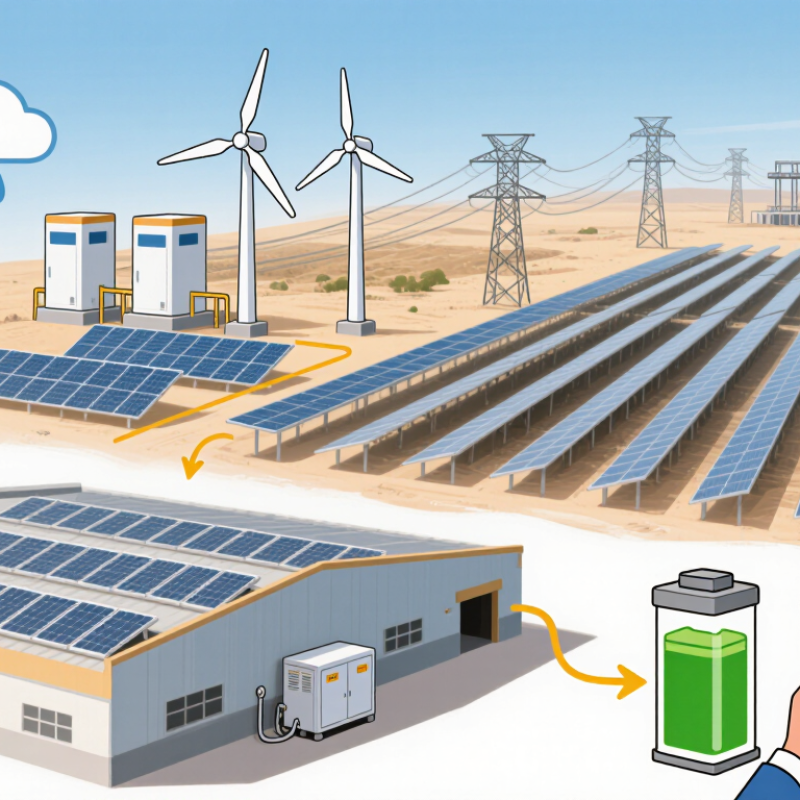
Solar energy solutions in 2026 are connected systems, not panels alone. Their scope includes photovoltaic modules, inverters, mounting structures, wiring, protection devices, monitoring software, and optional battery storage. Each component affects energy output, safety, and maintenance.
For a commercial rooftop, engineers assess roof condition, seasonal shading, local weather, electricity demand, and grid connection. A string inverter may suit a simple layout; module-level electronics can help where shade varies. Neither option is universally better. Storage can help meet evening demand or provide resilience during outages. It also raises costs and requires careful thermal management.
Global buyers should compare system boundaries, annual-yield assumptions, degradation estimates, warranty terms, and service response times. Check whether projected output accounts for site-specific heat, dust, snow, or shading. These details are less exciting than headline capacity. They matter over years. Estimates can still miss changing site conditions, so monitoring plans and realistic performance ranges deserve close attention.
Solar photovoltaic (PV) panels convert sunlight directly into electricity. They suit utility-scale farms, factory roofs, homes, and remote sites. IRENA’s Renewable Capacity Statistics 2025 reports global solar capacity reached 1,865 GW in 2024. The IEA’s Renewables 2024 forecast expects solar PV to provide about 80% of renewable capacity growth through 2030. These figures show rapid expansion, though local grid limits can slow projects.
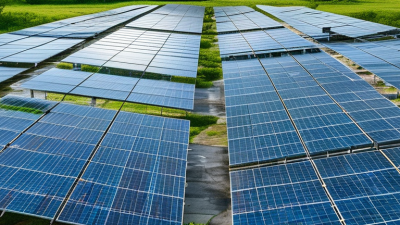
Utility-scale PV works well where land and transmission access are available. Rooftop systems can reduce daytime purchases for buildings, while batteries help shift some power into evening hours. In sunny regions with limited grid access, small off-grid systems can power lights, pumps, or communications.
Concentrated solar power uses mirrors to collect heat; thermal storage can support generation after sunset, but projects require strong direct sunlight. Floating PV uses reservoirs, though water conditions and maintenance need careful assessment. No single design fits every site.
Tips: Check seasonal sunlight, roof strength, grid access, and expected evening demand before choosing a system. Compare estimates with actual site data; assumptions can be wrong.
Global buyers should begin with measured energy demand, not panel capacity. Review at least twelve months of utility bills and, where available, hourly load data. Note seasonal peaks, backup needs, and planned equipment changes. A cold-storage site may draw heavily overnight; a daytime warehouse may align better with solar production. Small details matter.
Then assess the project conditions. Roof age, usable area, shading, wind exposure, and local weather shape system design. Ground-mounted projects also need clear access for construction and maintenance. Check grid connection capacity, export limits, and expected approval timelines with qualified local professionals. Battery storage can help cover evening demand, but it adds cost and requires careful sizing. Estimates are imperfect; real consumption can change after installation.
Tips: Photograph the site at morning and afternoon. Compare monthly bills with interval data. Ask for energy-yield assumptions, degradation estimates, and maintenance needs in writing. Check the roof structure before pricing equipment. One overlooked constraint can shift the schedule. A little doubt is useful. It keeps early projections honest.
Top Solar Energy Solutions for Global Buyers in 2026?
Comparing Solar Systems by Cost, Performance, and Reliability
Solar systems are best compared by their lifetime value, not just the purchase price. Ask for itemized quotes covering panels, inverters, mounting hardware, installation, and any battery storage. Then compare expected annual output using your location’s sunlight, roof angle, and local weather. A low-cost system may produce less energy or need earlier component replacement. That matters. Check inverter efficiency, temperature performance, and product and workmanship warranties. Warranty terms are useful only when support and replacement parts are accessible where you live.
Tips: Request a projected yearly output and a clear list of assumptions. Compare battery capacity and usable energy, not capacity alone. Ask who handles maintenance and how quickly service is available. For coastal, hot, or dusty sites, confirm that equipment is suited to those conditions.
Reliability also depends on the installer, system design, and monitoring—not only the panels. Look for documented testing, clear performance estimates, and references from comparable installations. For remote properties, a hybrid system may provide backup, but batteries add cost and require careful sizing. Grid-connected buyers may find storage unnecessary if outages are rare. A tidy spreadsheet can still miss shipping delays or difficult repairs; I would leave room for those uncertainties. No single setup wins everywhere.
Indicative installed-cost ranges by system type (USD per watt-DC)
Utility-scale solar generally has the lowest cost per watt, while off-grid systems cost more because they include batteries and additional balance-of-system equipment. Actual prices vary substantially by country, project size, labor, permitting, and storage requirements. Solar output depends mainly on local sunlight and system design; PV modules commonly carry 25–30-year performance warranties, while inverters and batteries may need replacement sooner.
For global buyers, solar procurement should begin with the site, not a product catalogue. Gather a year of electricity bills, daily load patterns, roof or land measurements, and local weather data. A factory with heavy evening demand may need storage; a daytime office may not. Small details matter. Ask suppliers to state expected output, equipment warranties, delivery timelines, and the availability of replacement parts. Compare offers against the same technical specifications. The lowest price can hide freight costs, unclear exclusions, or an undersized system. Paperwork matters, but a spreadsheet cannot reveal every site constraint.
Installation quality shapes performance for decades. Before work begins, confirm roof capacity, shading, cable routes, drainage, and safe access for maintenance. During commissioning, record test results and take clear photos of key connections and equipment settings. Keep these records. They help technicians investigate faults later. Dust, salt air, heat, and heavy rain can change maintenance needs, so avoid assuming one cleaning schedule fits every location. Use monitoring alerts, review production monthly, and arrange inspections after severe weather. Solar systems are not maintenance-free. Even a sensible plan can miss something; revise it when real operating data disagrees with the original estimate.
A practical comparison of common solar configurations, purchasing considerations, and lifecycle planning factors.
| Solution | Typical Application | Indicative System Scale | Procurement Priorities | Installation Considerations | Long-Term Management |
|---|---|---|---|---|---|
| Grid-connected rooftop solar | Homes, commercial buildings, warehouses, and public facilities with reliable grid access. | Residential systems are often about 3–15 kW; commercial rooftops commonly range from tens of kilowatts to several megawatts. | Review module and inverter specifications, product and performance warranties, local certification requirements, delivery terms, and availability of replacement components. | Confirm roof condition, structural capacity, shading, fire-access pathways, grid-interconnection rules, and required permits before ordering equipment. | Monitor generation and inverter alerts; inspect mounting, wiring, and electrical protection periodically; clean modules when local dust or soiling materially reduces output. |
| Solar with battery storage | Sites seeking backup power, higher self-consumption, or reduced exposure to time-of-use electricity charges. | Battery capacity depends on the critical load and required backup duration; small commercial and residential systems commonly use several to tens of kilowatt-hours. | Compare usable capacity, power rating, round-trip efficiency, operating temperature range, safety certifications, warranty conditions, and battery end-of-life provisions. | Design for ventilation and fire safety, equipment clearances, battery access, compatible controls, and local electrical and building codes. | Track state of charge, temperature, cycling, and fault alerts. Follow the supplier’s maintenance guidance and plan for compliant recycling or disposal. |
| Utility-scale solar farm | Power generation for wholesale markets, utilities, large corporate buyers, or public-sector procurement. | Projects commonly range from several megawatts to hundreds of megawatts, depending on land, grid capacity, and market requirements. | Assess site rights, resource studies, grid connection, equipment bankability, delivery schedules, project guarantees, insurance, and construction-contract scope. | Allow for land surveys, geotechnical work, drainage, access roads, environmental review, grid studies, and commissioning tests. | Use performance monitoring and planned inspections. Manage vegetation, module soiling, inverter availability, spare parts, security, and contractual performance reporting. |
| Floating solar | Reservoirs, water-treatment ponds, and other suitable inland water bodies where land is constrained. | Project size varies widely, from smaller installations to utility-scale arrays, subject to water-body conditions and grid access. | Evaluate float and anchoring-system durability, material compatibility, corrosion protection, site-specific wind and water data, warranties, and environmental requirements. | Assess water-level variation, bathymetry, anchoring loads, shoreline access, electrical safety, navigation, and effects on water-body use. | Inspect floats, moorings, cables, connectors, and corrosion protection; monitor water-level changes and follow site-specific environmental controls. |
| Off-grid solar with storage | Remote homes, telecom sites, farms, clinics, and facilities without dependable grid service. | System size is load-driven and can range from small standalone installations to multi-kilowatt or larger microgrids. | Obtain a measured load profile; compare battery autonomy, equipment operating limits, spare-parts access, remote support, and backup-generation compatibility. | Size for seasonal solar variation and peak demand; plan for secure equipment housing, grounding, surge protection, and maintainable site access. | Review battery health and energy-use patterns, test backup equipment where installed, keep essential spares, and schedule service around local access conditions. |
| Solar carport | Commercial parking areas, campuses, transport hubs, and sites combining shade with on-site electricity generation. | Capacity depends on parking layout and structural design; projects commonly range from hundreds of kilowatts to several megawatts. | Check structural design responsibility, wind and snow loads, drainage, vehicle-clearance requirements, electrical scope, and provisions for future charging equipment. | Coordinate foundations, underground utilities, traffic management, lighting, accessibility, and construction phasing to limit disruption. | Inspect structural connections, drainage, electrical equipment, and lighting; maintain safe access and coordinate upkeep with parking operations. |
Planning note: System sizes and procurement considerations are indicative, not quotations or engineering specifications. Actual design, costs, schedules, permits, performance, and warranty terms vary by location, site conditions, regulations, equipment, and contract. Obtain a site assessment and independent review before purchase.