What Are the Top Solar Power Solutions for Global Buyers?

Global energy buyers are rethinking how electricity is generated, stored, and managed. Solar power solutions now serve homes, factories, farms, hospitals, and remote communities. Yet choosing the right system requires more than comparing panel prices. Buyers must examine solar resources, load patterns, battery needs, grid reliability, maintenance access, and local regulations.

Francesco La Camera, Director-General of the International Renewable Energy Agency, has emphasized, “Renewables are the only path to a safe and sustainable energy future.” His statement reflects a broader market shift. High-efficiency photovoltaic modules can produce more power from limited roof space. Hybrid inverters can combine solar generation, batteries, and grid electricity. In rural areas, modular systems may keep water pumps, clinics, and communications equipment operating during outages.

Practical evidence matters. A serious supplier should provide tested components, transparent performance data, qualified installation support, and clear warranty terms. Buyers should also request production estimates based on local sunlight, temperature, shading, and seasonal demand. A system that looks affordable may perform poorly without suitable storage or after-sales service.

There is no universal package. That is the difficult part. A commercial rooftop in Spain needs different solar power solutions from a fishing village in Indonesia. Even strong projects can underperform when maintenance assumptions are unrealistic. This guide compares leading technologies, deployment models, and purchasing considerations. It aims to help global buyers make informed decisions, while recognizing that every location requires careful technical review.
What Are the Top Solar Power Solutions for Global Buyers?

Understanding the Main Types of Solar Power Solutions

What Are the Top Solar Power Solutions for Global Buyers?

Solar power solutions differ by grid access, load patterns, and local sunlight. The most common option is grid-tied photovoltaic power for homes, warehouses, and offices. Panels generate direct current, while an inverter supplies usable alternating current. This setup usually costs less because it needs no large battery bank. It works best where the grid is stable and net-metering rules are clear. During a site assessment, buyers should examine roof direction, shading, cable routes, and structural strength.

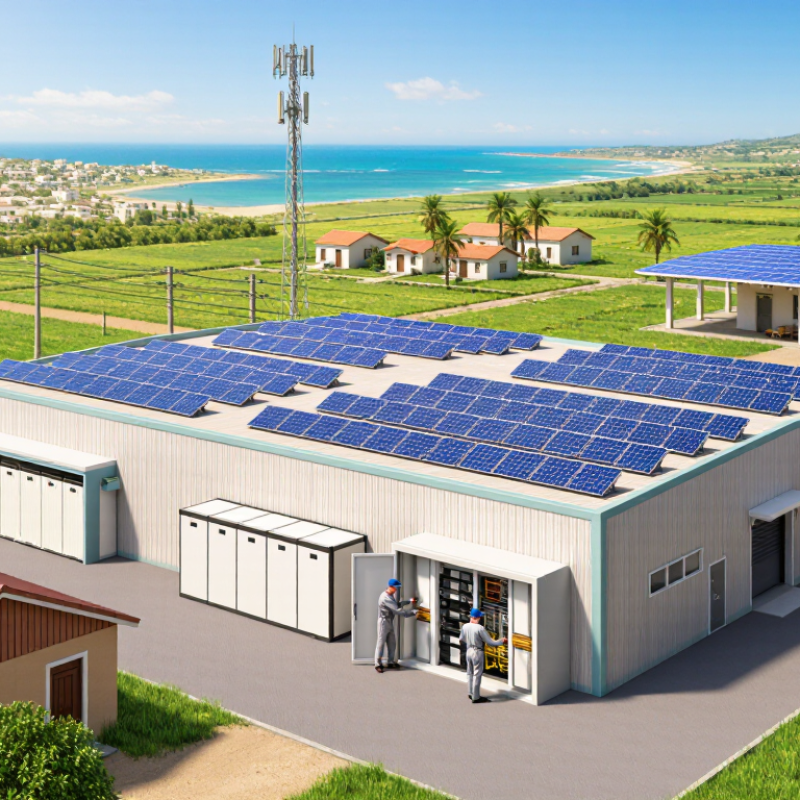
Off-grid photovoltaic systems serve remote cabins, farms, clinics, and telecom sites. They combine panels, batteries, charge controllers, and backup generation when necessary. Battery capacity must match night loads and cloudy-day demand, not just the panel rating. A refrigerator, water pump, or medical device can create sharp starting surges. I have seen attractive proposals fail because installers underestimated seasonal rain. That mistake is expensive. Start with measurements. Load records from several days provide better evidence than guesswork.

Hybrid systems connect solar, batteries, and the public grid. They can store midday energy, reduce peak purchases, and maintain selected circuits during outages. Larger buyers may choose ground-mounted arrays for better economies of scale. They still need land studies, permits, drainage plans, and grid-impact checks. Solar thermal systems heat water rather than produce electricity. They suit hotels, food processors, and buildings with steady hot-water demand. International buyers should verify local electrical, fire, import, and safety requirements. Product comparisons should include efficiency, replacement access, warranty terms, and local service capacity. No design is perfect.
What Are the Top Solar Power Solutions for Global Buyers?

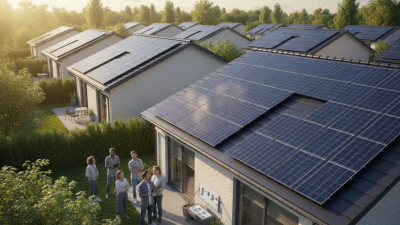
Global solar buyers generally choose between utility-scale solar farms and distributed solar systems installed on residential, commercial, and industrial properties.

In 2023, approximately 407 GW of new solar photovoltaic capacity was installed worldwide. Utility-scale projects accounted for about 240 GW, while distributed solar systems contributed approximately 167 GW. Utility-scale systems are suitable for large electricity generation and grid supply, whereas distributed systems are designed for on-site energy use, energy-cost reduction, and improved power resilience.

Data source: IEA Photovoltaic Power Systems Programme, Trends in Photovoltaic Applications 2024. Values are rounded estimates.

Comparing Solar Technologies for Different Global Applications

Global buyers need solar technologies matched to climate, land, grid access, and project scale. Crystalline-silicon photovoltaic modules remain practical for rooftops, factories, and utility sites. They offer strong efficiency and broad installer experience. IRENA reported that global solar capacity reached about 1,419 GW by the end of 2023. Solar added roughly 346 GW that year, showing its rapid market expansion. For high-temperature regions, buyers should examine heat losses, dust buildup, and cleaning water requirements. A desert project can produce excellent annual output, yet soiling may quietly reduce its yield.

Different sites need different designs. Thin-film modules can perform steadily in high temperatures and weak light, although they often require more land. Floating solar can conserve scarce land and reduce reservoir evaporation, but anchoring, wind, and water-quality risks need careful engineering. Concentrated solar power suits areas with strong direct sunlight and can integrate thermal storage. However, it usually demands larger sites and more complex maintenance. Rooftop systems are convenient for factories, but roof strength and daytime electricity demand matter more than brochure efficiency.

Cost data also changes the decision. IRENA’s Renewable Power Generation Costs in 2023 reported a global weighted-average solar PV electricity cost near USD 0.044 per kWh. That figure is useful, but not universal. Financing, transmission upgrades, batteries, and import logistics can alter the final price sharply. Buyers should request measured performance data from comparable climates, not only laboratory ratings. Small details matter. A technically excellent system can still underperform when maintenance skills, spare parts, or local weather records are overlooked.

Evaluating Performance, Costs, and Energy Storage Options

What Are the Top Solar Power Solutions for Global Buyers?

Solar solutions should be judged by real operating conditions, not brochure ratings. A system producing 500 watts in a laboratory may perform differently under heat, dust, or partial shade. Buyers should compare temperature coefficients, warranty terms, inverter efficiency, and expected annual output. Installation quality matters too. Poor cable routing can reduce performance and increase maintenance risks.

Tips: Request site-specific production estimates. Check local sunlight data, roof direction, wind exposure, and cleaning needs. Ask for test reports from recognized laboratories. A lower purchase price can hide higher replacement or shipping costs. In remote areas, spare parts and trained technicians may matter more than a small efficiency advantage.

Battery storage changes the financial calculation. Lithium-based systems usually offer strong cycle life and compact designs, while other chemistries may reduce upfront costs. Capacity alone is not enough. Compare usable energy, depth of discharge, round-trip efficiency, safety controls, and expected cycle life. Grid-connected buyers may need only a small battery for evening demand. Rural users often require larger reserves for cloudy days and outages. I have seen projects overestimate storage needs because they ignored daytime consumption. That mistake deserves careful review. Seasonal weather, electricity prices, import duties, and financing conditions can shift payback periods considerably. A reliable evaluation should model several scenarios, including weaker solar production and earlier battery replacement.

Selecting Solar Solutions for Regional Climate and Grid Conditions

Choosing solar power begins with the site, not the panel catalogue. Regional climate and grid behavior determine whether a system performs reliably. In hot, dusty regions, elevated mounting, sealed inverters, and washable surfaces reduce heat and soiling losses. Coastal projects need corrosion-resistant hardware and careful cable protection. Snowy areas require stronger structures, steeper tilt, and safe inspection access. Shade matters. A small chimney shadow can reduce output across several modules.

In places with unstable grids, hybrid systems combine solar, batteries, and controlled backup generation. Battery capacity should match evening demand, not an optimistic daily average. Clinics may need uninterrupted refrigeration, while workshops often need strong daytime power. These loads require different inverter ratings and protection settings. Where the grid is stable, direct grid-tied solar may offer better value and simpler maintenance. However, export rules, voltage limits, and local interconnection procedures must be checked before purchase. Paperwork can change the design.

Reliable selection depends on measured data. Review twelve months of electricity bills, roof temperatures, outage records, and local solar resources. Qualified engineers should verify structural loading, earthing, surge protection, and emergency shutdown access. Independent testing and clear warranties support responsible procurement. Software forecasts are not promises; dust, clouds, and future load growth can surprise careful planners. That uncertainty deserves a maintenance budget and a design that can be adjusted later. Remote monitoring can reveal declining output before higher bills expose the problem.

Assessing Suppliers, Standards, Installation, and Long-Term Support

What Are the Top Solar Power Solutions for Global Buyers?

Supplier evaluation should begin with evidence, not glossy output charts. IRENA reported 345.5 GW of new solar capacity worldwide in 2023. This growth increases choice, but also increases quality risks. Buyers should request audited production data, financial records, project references, and documented quality controls. ISO 9001 certification can support process consistency, but it cannot replace product testing. Ask for IEC 61215 and IEC 61730 compliance records, including the exact model number.

Installation conditions often decide real performance. A coastal project needs corrosion-resistant fasteners, sealed connectors, and careful cable routing. A dusty site needs accessible cleaning paths and realistic maintenance intervals. IEC 62446-1 provides useful guidance for system documentation, inspection, and commissioning. Independent testing should include insulation resistance, polarity, grounding, and performance verification. Small details matter. A loose connector can create heat, losses, or shutdowns.

Long-term support deserves the same attention as hardware. The IEA’s Renewables 2024 report identifies solar PV as the main driver of renewable capacity growth this decade. Buyers therefore need service capacity, not only equipment availability. Review degradation assumptions, warranty exclusions, spare-part policies, monitoring access, and response times. Many contracts look strong until labor and transport costs are excluded. That is an uncomfortable gap. A practical support plan should name responsible engineers, preserve digital records, and schedule inspections after extreme weather. Performance guarantees should use clear measurement conditions, because optimistic assumptions can quietly weaken an otherwise sound investment.

What Are the Top Solar Power Solutions for Global Buyers? - Assessing Suppliers, Standards, Installation, and Long-Term Support

Solar Solution Typical Application Typical System Size Core Equipment and Design Features Relevant Standards and Compliance Checks Typical Installation Period Long-Term Support Priorities
Grid-Connected Rooftop PV Homes, commercial buildings, warehouses, schools, and small industrial sites with reliable grid access. Approximately 2–1,000 kW, depending on roof area, local regulations, and electricity demand. PV modules, string or module-level inverters, mounting structures, DC and AC protection, monitoring, and bidirectional metering where permitted. IEC 61215 IEC 61730 IEC 62109 IEC 62446-1
Confirm local electrical, fire, structural, and grid-connection requirements.
About 1–8 weeks for physical installation after permits and equipment are available; utility approval may take longer. Remote monitoring, preventive inspection, inverter replacement planning, spare parts availability, and warranty claim response.
Commercial and Industrial PV Factories, logistics centers, retail facilities, office campuses, and high daytime-load businesses. Approximately 100 kW–20 MW, including rooftop, carport, and ground-mounted systems. High-voltage DC and AC design, multiple inverter units, transformers where required, power-quality controls, energy management, and demand-management capability. IEC 61215 IEC 61730 IEC 62446-1 IEC 60364-7-712
Review local grid codes, protection coordination, earthing, fire access, and structural loading.
Approximately 2–9 months, including engineering, procurement, construction, inspections, and grid approval. Performance-ratio reporting, annual electrical and structural inspections, firmware management, insurance documentation, and service-level agreements.
Utility-Scale Ground-Mounted PV Large solar farms supplying utility grids, corporate power buyers, or public-sector electricity programs. Generally above 10 MW, with projects frequently ranging from tens to several hundred megawatts. Central or distributed inverters, tracker or fixed-tilt structures, medium-voltage collection, substations, weather stations, SCADA, and grid-support controls. IEC 61215 IEC 61730 IEC 62446-1 IEC 61724-1
Require bankable engineering, geotechnical studies, environmental permits, grid studies, and project-specific grid-code compliance.
Approximately 9–24 months after development approvals; complex projects may require more time. Guaranteed performance testing, SCADA support, vegetation and site maintenance, transformer and inverter service, cybersecurity controls, and long-term spare-parts planning.
Solar PV with Battery Storage Backup power, peak shaving, self-consumption, time-of-use optimization, and grid services. Approximately 5 kW–500 MW, depending on whether the system serves a home, facility, microgrid, or utility. PV array, battery energy-storage system, battery-management system, bidirectional inverter, thermal management, fire detection, energy-management software, and isolation equipment. IEC 62619 IEC 62477-1 IEC 62933 IEC 62109
Verify local fire protection, transport, emergency-response, interconnection, and battery recycling requirements.
About 2–12 weeks for small systems and 6–18 months for large systems, excluding permitting and grid studies. State-of-health reporting, capacity warranty terms, thermal-event procedures, software updates, cell/module replacement policy, and end-of-life recycling.
Off-Grid Solar and Microgrids Remote communities, agricultural sites, telecom facilities, islands, mines, emergency services, and weak-grid locations. Approximately 1 kW–10 MW, often combined with batteries and backup generators. PV modules, batteries, hybrid inverters, load management, distribution equipment, backup generation where needed, remote monitoring, and black-start capability for larger systems. IEC 62109 IEC 62619 IEC 60364 IEC 62446-1
Assess islanding protection, earthing, protection coordination, generator integration, and local rural-electrification rules.
Approximately 2–16 weeks for small installations and 4–18 months for engineered microgrids. Local technician training, remote diagnostics, battery replacement planning, fuel and generator coordination, spare-parts stock, and resilient communications.
Floating Solar PV Reservoirs, irrigation ponds, industrial water bodies, and hydropower reservoirs where land is constrained. Approximately 1 MW–500 MW, subject to water-body conditions and permitting. PV modules, floating platforms, mooring and anchoring systems, corrosion-resistant cables, inverters, access walkways, and shoreline or floating substations. IEC 61215 IEC 61730 IEC 62446-1
Require site-specific hydrology, wind and wave analysis, water-quality review, electrical safety assessment, and environmental approvals.
Approximately 6–18 months, depending on water conditions, anchoring design, permitting, and transmission access. Routine platform and mooring inspections, cable and connector checks, corrosion monitoring, water-level assessment, cleaning strategy, and environmental reporting.
Solar Water Pumping Irrigation, livestock watering, municipal water supply, and remote water systems with limited fuel or grid access. Approximately 0.5–500 kW, based on water demand, lift height, and pumping distance. PV array, variable-speed pump controller, submersible or surface pump, storage tank, protection equipment, sensors, and optional battery or backup source. IEC 61215 IEC 61730 IEC 62109
Verify pump efficiency, water-system standards, electrical protection, dry-run protection, and local water-use permits.
Approximately 1–6 weeks for standard systems, subject to drilling, civil works, and water-storage construction. Seasonal pump inspection, filter and pipe maintenance, controller diagnostics, spare-pump availability, water-output verification, and operator training.

Note: Capacity ranges, installation periods, and service requirements are typical planning values rather than guarantees. Final specifications should be confirmed through site surveys, local permitting, grid studies, structural reviews, climate assessments, and a written supplier warranty and service agreement.