2026 Best Solar Power Solutions for Global Buyers?
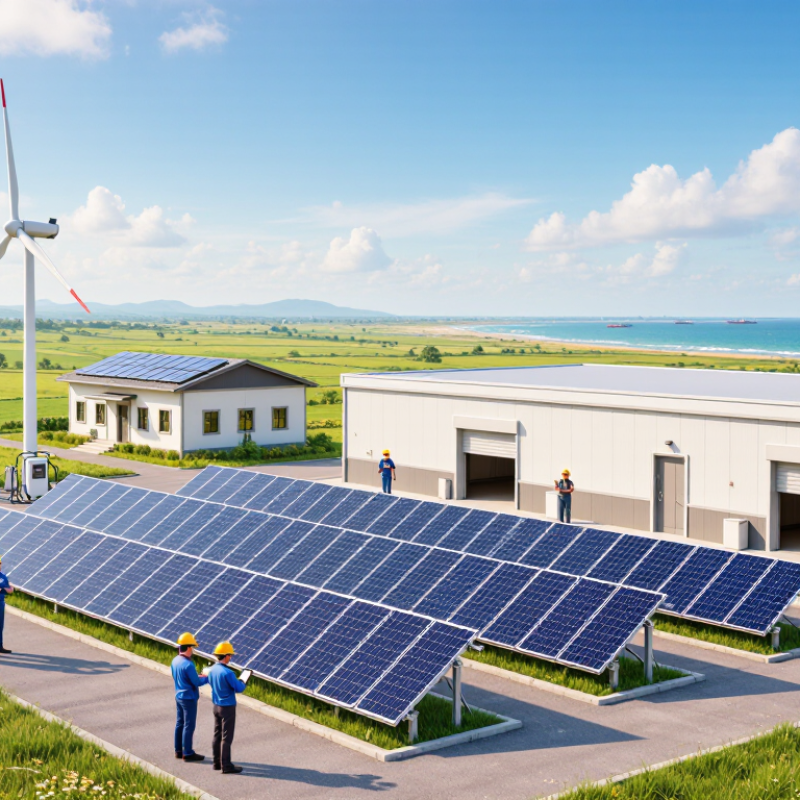
In 2026, global buyers are evaluating solar power solutions beyond panel efficiency. They want dependable electricity, manageable costs, and equipment suited to local conditions. A coastal warehouse may need corrosion-resistant components, while a rural clinic may require battery storage and simple maintenance. These details often matter more than impressive laboratory ratings.
This guide examines practical options for homes, businesses, farms, and remote facilities. It considers photovoltaic panels, hybrid inverters, lithium batteries, monitoring systems, and backup generators. Product selection should include verified certifications, warranty terms, supplier experience, and qualified installation support. Local sunlight levels matter. So do heat, dust, grid reliability, transportation access, and future energy demand.
Real projects rarely follow perfect spreadsheets. A low-cost system can become expensive when replacement parts take months to arrive. A premium battery may perform poorly without suitable temperature control. That assumption needs testing. Buyers should request production estimates, degradation data, safety documentation, and references from comparable installations. Independent engineers can also review system design before contracts are signed.
Performance is measurable. Trust must be earned. By comparing technical evidence with field experience, buyers can avoid exaggerated promises and identify solutions with credible long-term value. The strongest choice may not be the largest system or the newest technology. It should deliver reliable energy, transparent ownership costs, and responsible support across its expected service life. Even this approach has limits, because market prices and regulations can change quickly. Careful review remains essential.
What Solar Power Solutions Mean in 2026
2026 Best Solar Power Solutions for Global Buyers?
What Solar Power Solutions Mean in 2026
Solar power solutions in 2026 mean more than panels on a roof. They combine generation, battery storage, monitoring, and safe energy management. A suitable system should match local sunlight, electricity prices, weather risks, and daily consumption. For a small home, this may mean rooftop panels with a compact battery. For a factory, it could include larger storage, backup circuits, and load controls. Field experience shows that the cheapest system is not always the most reliable choice.
System quality also depends on installation and long-term service. Buyers should review performance data, product warranties, safety testing, and installer qualifications. Local grid rules matter too. They can affect system size, connection methods, and battery placement. No design is perfect. A first energy estimate can be wrong when work schedules change or winter demand rises. Good planning leaves room for measurement and adjustment.
Tips: Record monthly electricity use before requesting quotes. Ask for production estimates by season, not only annual totals. Check how the system performs during outages. Keep access clear for inspection and cleaning. Avoid promises that sound too certain. A realistic solution may produce slightly less energy, but offer safer operation, easier maintenance, and better value over time.
2026 Best Solar Power Solutions for Global Buyers
Solar power solutions in 2026 increasingly combine photovoltaic generation with digital monitoring, flexible financing, energy storage, and grid integration. Global solar PV capacity additions have accelerated sharply, reinforcing solar power as a mainstream energy solution for residential, commercial, and utility-scale buyers.
Global solar photovoltaic capacity additions increased from 127.8 GW in 2020 to 451.9 GW in 2024. The figures represent worldwide annual renewable capacity additions from solar PV, reported by the International Renewable Energy Agency (IRENA), Renewable Capacity Statistics 2025.
How Global Buyers Should Assess Their Energy Needs
2026 Best Solar Power Solutions for Global Buyers?
How Global Buyers Should Assess Their Energy Needs
A reliable solar decision starts with actual electricity use, not panel size. Review twelve months of utility bills, if available. Record daily consumption, seasonal changes, and sudden demand spikes. A cold-storage room may draw power overnight. A workshop may need heavy equipment for only three hours. These details change the system design. Solar resource matters too. Compare local sunlight data with roof direction, shading, dust, and weather patterns. A clear roof is not always a productive roof.
Battery capacity should match critical loads and expected outages. List refrigerators, pumps, medical equipment, communications devices, and lighting separately. Then estimate how long each load must operate without grid support. Keep a safety margin, but avoid excessive capacity. It increases cost and may remain underused. My first estimate is rarely perfect. Real behavior often differs from written plans. Recheck the design after monitoring consumption for several weeks. Ask qualified professionals to verify electrical calculations, installation methods, safety protection, and local compliance requirements.
Tips: Start with measured data. Separate essential and flexible loads. Request a clear production forecast, including weaker seasonal months. Check maintenance access, replacement timelines, warranty terms, and installer credentials. Ask what happens during cloudy weather. A system can look excellent on paper yet disappoint in daily use. Test assumptions before signing.Winvalid
Which Solar Technologies and System Types Are Available
Solar technology has become more varied for global buyers in 2026. Monocrystalline panels offer high efficiency where roof space is limited. Polycrystalline panels can provide a lower-cost option in larger areas. Thin-film modules suit lightweight roofs and unusual surfaces, although they usually need more installation space. Bifacial panels can produce additional electricity from reflected light, especially above bright ground or elevated structures.
System type should match local conditions and daily energy habits. A grid-tied system sends surplus power to the utility network and normally costs less because it may not need batteries. A hybrid system combines grid access, solar panels, and battery storage. It can keep essential loads running during outages. An off-grid system needs careful sizing, because cloudy weather can reduce generation for several days. Battery chemistry matters. Lithium iron phosphate batteries are widely selected for their stability and cycle life, but temperature control and certified installation remain important.
Solar thermal systems can heat water directly, reducing electricity use in homes, hotels, and workshops. Smart inverters, energy meters, and remote monitoring improve system visibility. Yet software cannot fix poor design. A shaded chimney, dusty panel surface, or undersized cable can reduce real performance. A larger array is not always better. Buyers should request local solar data, structural checks, protection devices, warranty terms, and maintenance procedures before approval. Some estimates still look too optimistic. That deserves a second review.
How to Select, Install, and Maintain a Solar Power System
Selecting a solar power system starts with measured demand, not a catalogue size. Record hourly consumption for at least one month, including pumps, heating, and evening loads. A 5-kilowatt system may produce enough annual energy yet fail during cloudy evenings. Roof shade matters more than a perfect-looking layout. Leave space around equipment for safe access and ventilation.
The IEA PVPS Trends 2024 report estimated global photovoltaic capacity exceeded 1.6 terawatts by the end of 2023. That scale does not remove local risks. Ask an accredited installer to verify roof strength, cable routes, grounding, voltage limits, and grid-connection rules. Request production estimates using local weather data, not only a supplier’s best-case simulation. Battery sizing should reflect outage priorities and usable capacity. Oversizing batteries can quietly increase cost and embodied materials.
Maintenance is usually simple, but neglect is expensive.
Check monitoring alerts monthly, inspect visible cables after severe weather, and keep vents clear of dust and leaves. Arrange qualified electrical inspections at the intervals required locally. NREL’s photovoltaic degradation research commonly reports a median decline near 0.5% per year, though climate and installation quality change results. A spreadsheet can still lie. I would compare predicted output with meter readings every season, then investigate unexplained losses before buying more equipment. Salt air, heat, and partial shade deserve separate attention.