What Is the Best Power Battery for Home in 2026?

Choosing the best power battery for home in 2026 is no longer about buying the largest unit.

It is about matching storage to real household behavior. A small apartment may need evening backup, while a family home with solar panels may require overnight storage. A battery sitting beside a garage wall must handle heat, cold, dust, and repeated daily cycling. Those details matter more than impressive capacity figures.

Amory Lovins, an energy strategist and cofounder of Rocky Mountain Institute, once said, “Efficiency is the cheapest, cleanest, fastest way to energy security.” His point remains highly relevant. A well-insulated home with efficient appliances may need a smaller battery and still enjoy stronger backup performance. Bigger is not automatically better.

Safety comes first.

This guide examines battery chemistry, usable capacity, round-trip efficiency, warranty coverage, installation requirements, and emergency power behavior. Lithium iron phosphate batteries often attract attention because of their thermal stability and long cycle life. However, they can still perform poorly when installation is careless or maintenance is ignored.

Real experience also exposes inconvenient trade-offs. A battery may promise ten kilowatt-hours, yet only part of that energy may be usable. A quiet system may cost more upfront. A cheaper model may provide limited support when something fails.

There is no perfect answer. The best power battery for home depends on climate, electricity prices, solar production, household demand, and backup expectations. This comparison aims to make those choices clearer, while admitting one uncomfortable truth: specifications alone cannot predict everyday satisfaction.

What Is the Best Power Battery for Home in 2026?

What Is a Home Power Battery?

What Is the Best Power Battery for Home in 2026?

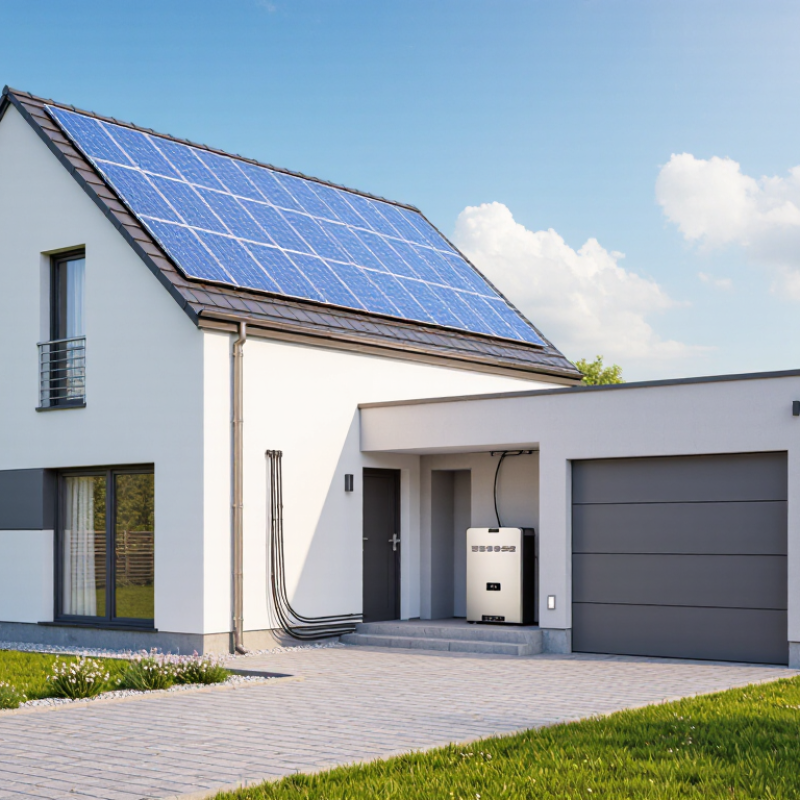
A home power battery is a rechargeable system that stores electricity for later use. It can collect energy from solar panels or the electrical grid. During an outage, it can power selected appliances through an inverter. Think of it as a quiet indoor energy reserve. It does not create electricity. It shifts electricity from one time to another.

A typical system includes battery cells, an inverter, a battery management system, and protective housing. The management system monitors temperature, voltage, and charging speed. Many households choose lithium iron phosphate chemistry for its stable operation and long cycle life. However, chemistry alone does not determine safety. Correct wiring, ventilation, clearance, and professional installation matter just as much. A poorly sized system can perform badly, even with excellent cells.

Capacity shows how much energy the battery stores, usually in kilowatt-hours. Power output shows which appliances it can run at once. A refrigerator may need extra starting power. A heater can drain a battery quickly.

In practice, list essential loads before comparing batteries.

Include lighting, refrigeration, medical equipment, and communication devices. I have found that households often overestimate their daily needs. I also underestimated standby consumption once. That mistake changed my view of battery sizing.

Check local electrical rules, temperature limits, warranty conditions, and service access before installation.

How Do Home Power Batteries Work?

How Do Home Power Batteries Work?

A home power battery stores electricity as chemical energy and releases it when your house needs power. Solar panels or the utility grid charge the battery through a controlled charging system. The battery usually holds direct current, while household appliances use alternating current. An inverter manages this conversion.

Inside the unit, a battery management system watches voltage, temperature, and current. It balances individual cells and limits charging when conditions become unsafe. During an outage, an automatic transfer switch separates selected circuits from the grid. The inverter then supplies power to lights, refrigerators, routers, or medical equipment.

Not every appliance can run at once.

Capacity is measured in kilowatt-hours, while output is measured in kilowatts. A battery with 10 kilowatt-hours may not deliver all 10, because reserve capacity protects its cells. Efficiency also changes with temperature, age, and charging speed. Cold conditions can slow charging noticeably.

I once assumed a larger battery would solve every backup problem, but high-demand heating equipment can drain it quickly. That mistake highlights the need to calculate real household loads, not just daily energy use.

A practical design includes usable capacity, expected outage length, and critical circuits. Qualified installers should check wiring, ventilation, fire separation, and local electrical requirements. Regular monitoring can reveal unusual heat, rapid capacity loss, or repeated shutdowns. These details matter more than impressive storage numbers on a product sheet.
Which Battery Chemistry Is Best for Home Use in 2026?

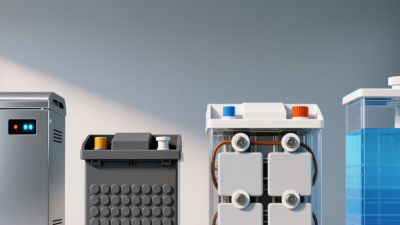
For most homes in 2026, lithium iron phosphate, or LFP, offers the strongest balance of safety, lifespan, and daily value. Its stable chemistry tolerates frequent charging and discharging better than many older options. It also has a lower risk of thermal runaway when properly installed and managed. In practical home projects, this matters during hot summers, overnight outages, and repeated solar cycles. LFP systems commonly provide around 3,000 to 7,000 cycles, depending on temperature, depth of discharge, and operating settings.

Tips: Compare usable capacity, not only the advertised battery size. A 10 kWh battery may deliver less energy after reserve limits and conversion losses. Check cold-weather performance too. Some systems charge slowly or stop charging in freezing conditions without heating. Ask for independent cycle testing and clear warranty conditions. Installer quality matters as much as chemistry.

Nickel manganese cobalt batteries can offer higher energy density and a smaller footprint. That advantage may suit apartments or compact utility rooms. However, they generally require stricter thermal management and careful installation. Lead-acid batteries remain familiar and sometimes cost less initially, but they are heavier and usually provide fewer usable cycles. They also dislike deep discharge. The “best” chemistry is not universal. I would not choose from price alone, because replacement costs can quietly change the calculation. Review outage patterns, available space, climate, and expected daily use with a qualified installer and local safety requirements.

How to Compare Capacity, Safety, Lifespan, and Cost

What Is the Best Power Battery for Home in 2026?

Capacity should match real household demand, not an impressive brochure number. A 10 kWh battery may provide less usable energy after reserve settings and conversion losses. NREL’s 2024 Annual Technology Baseline commonly models battery systems with about 85% round-trip efficiency. A home using 8 kWh overnight may therefore need more than 9 kWh of nominal capacity. Check continuous output too. A battery can store enough energy but still fail to start a pump, refrigerator, or induction cooker. Small details matter.

Safety deserves equal attention. Look for tested protection against thermal runaway, electrical faults, and indoor installation risks. UL 9540A testing evaluates fire behavior, but it does not remove every installation hazard. Ventilation, spacing, wiring, and professional commissioning remain important. The International Energy Agency reported that global battery storage deployment more than doubled in 2023. Rapid growth can also produce uneven installation quality. That concerns me.

Lifespan should be compared through cycles, warranty conditions, and retained capacity. A “ten-year” claim may assume limited daily use. NREL cost models often use roughly 15 years for battery storage, but actual performance depends on heat, charging speed, and depth of discharge. Cost comparisons should include installation, monitoring, maintenance, and replacement risk. Lazard’s 2024 Levelized Cost of Storage report shows declining storage costs, yet its utility-scale figures do not directly represent household prices. A spreadsheet can still mislead. Real electricity bills are messier.

What Is the Best Power Battery for Home in 2026?

Comparison of common residential battery chemistries using typical market specifications. Higher scores indicate better overall performance for that category.

How to read the chart: The scores are normalized benchmarks based on typical residential specifications rather than any individual company or brand. Usable capacity considers approximately 50–95% depth of discharge and 80–92% round-trip efficiency. Typical cycle-life ranges are about 500–1,500 cycles for lead-acid, 1,500–3,000 cycles for nickel-manganese-cobalt batteries, and 4,000–7,000 cycles for lithium-iron-phosphate batteries. Lithium-iron-phosphate batteries generally provide the strongest balance of safety, service life, and usable energy, while lead-acid batteries usually have the lowest initial purchase cost.

How to Choose the Best Home Power Battery for Your Needs

The best home power battery in 2026 is not automatically the largest one. Choose it around your daily loads, outage patterns, and available solar generation. Start with a 24-hour energy record. Note refrigerator startup, internet equipment, medical devices, lights, and heating or cooling. Measure before buying. A battery rated at 10 kWh may provide less usable energy after reserve limits, conversion losses, and aging. Ask for usable capacity, continuous output, peak output, and round-trip efficiency, not only the headline capacity. That changes everything.

For many homes, lithium iron phosphate chemistry offers a practical balance of cycle life, thermal stability, and usable capacity. Still, chemistry alone cannot guarantee safety. Look for independently tested equipment, documented protection systems, clear installation instructions, and compliance with applicable electrical standards. A qualified electrician should confirm panel capacity, disconnect locations, grounding, ventilation, and local permit requirements. Check whether the battery can start a motor load. A refrigerator may draw several times its running power for a few seconds. Small detail, big consequence.

Match the battery to your real priority. Backup for a router and refrigerator needs less power than whole-home operation during a winter outage. Compare warranty terms carefully, including retained capacity, cycle limits, monitoring support, and service response. Keep the battery in a dry, temperature-controlled area, away from flood-prone floors and direct sunlight. Heat matters. An oversized system can waste money if solar cannot recharge it or household demand rarely uses its capacity. My planning habit is imperfect: I add a safety margin, then revisit the estimate after one month of actual usage. That review can reveal an expensive assumption before it becomes permanent.