China Top 10 Home Backup Battery Suppliers in 2026?

China’s Top 10 Home Backup Battery Suppliers in 2026 deserve careful evaluation, not quick ranking. The market is expanding from apartments and villas to small shops, farms, and remote clinics. A reliable home back up battery should provide more than attractive capacity figures. It must deliver stable output, safe thermal control, clear warranty terms, and responsive technical support.

Dan Finn-Foley, former Head of Energy Storage at Wood Mackenzie, described energy storage as “the Swiss Army knife of the energy transition.” His words remain useful here. A residential battery can support evening loads, protect refrigerators during outages, and store excess solar power. Yet one system cannot fit every household. A 5 kWh unit may suit essential appliances, while larger homes may need 10–20 kWh or more. Installation conditions matter too.

This guide examines ten leading Chinese suppliers expected to attract attention in 2026. It considers battery chemistry, usable capacity, inverter compatibility, cycle life, monitoring software, certifications, and after-sales service. Factory scale matters. So does the supplier’s ability to explain failure rates honestly. Some product pages still highlight peak performance while hiding practical limits. That deserves scrutiny.

The ranking is not absolute. Prices, policies, shipping conditions, and regional service networks can change quickly. Buyers should verify current specifications before signing a contract. Field experience also exposes details brochures often miss, including app reliability, replacement speed, and nighttime noise. In this sector, small inconveniences become serious during a blackout. Reliability is the real test.

China Top 10 Home Backup Battery Suppliers in 2026?

Scope and Ranking Criteria for China’s Home Backup Battery Suppliers

China Top 10 Home Backup Battery Suppliers in 2026

This ranking examines China-based suppliers serving residential backup power markets in 2026. The scope includes lithium battery manufacturers, integrated storage providers, and suppliers offering home energy systems. It excludes automotive batteries, portable power banks, and purely commercial projects. Actual performance matters more than advertising claims. Factory capacity, product availability, and export experience receive close attention.

The ranking criteria combine technical, commercial, and service evidence. We assess usable capacity, cycle life, inverter compatibility, safety controls, warranty terms, and monitoring functions. We also review production consistency through factory audits, sample testing, shipment records, and quality documentation. Compliance with recognized electrical and transport standards supports credibility. Clear installation guidance and responsive technical support also influence the score. A polished website is not proof of dependable products. No ranking is perfect. Some evidence remains incomplete.

Tips: Ask for recent test reports, not old certificates. Confirm whether the warranty covers battery cells, control systems, and labor. Request real operating data from similar household installations. Check response times for replacement parts and remote troubleshooting. Small details matter. Buyers should compare total ownership costs, including installation, maintenance, software access, and possible inverter replacement. A lower purchase price may hide weaker support or shorter service life. Questions should be documented before signing.

China’s Top 10 Home Backup Battery Suppliers in 2026

China’s Top 10 Home Backup Battery Suppliers in 2026

China remains central to the global battery supply chain. The International Energy Agency reported that China produced about 80% of global battery cells in 2023. Its manufacturing depth supports competitive pricing, faster product development, and wider component access.

The International Energy Agency reported that China produced about 80% of global battery cells in 2023.

The leading ten suppliers should not be judged by factory size alone. A reliable home battery needs stable lithium iron phosphate cells, a tested battery management system, and clear thermal protection. Look for usable capacity, cycle-life evidence, inverter compatibility, and documented safety certifications. BloombergNEF reported an average lithium-ion battery pack price of 115 US dollars per kilowatt-hour in 2024. However, a lower purchase price may hide installation limits, software fees, or weak after-sales service.

Field experience shows that small details often decide satisfaction. A compact wall-mounted unit can simplify installation in a narrow utility room. Quiet operation matters near bedrooms.

Remote monitoring should display state of charge, temperature, and fault history without confusing menus. Warranty terms also deserve careful reading. Some suppliers advertise long coverage but exclude frequent cycling or high-temperature operation.

A ranking can mislead.

Buyers should compare test reports, production consistency, response times, and local service capacity. The strongest suppliers usually provide traceable cells, documented quality controls, and practical technical support. Yet even experienced manufacturers may struggle with firmware updates or regional grid requirements. Independent verification remains essential before signing a purchase contract.
Product Types, Storage Capacity, and Battery Technologies

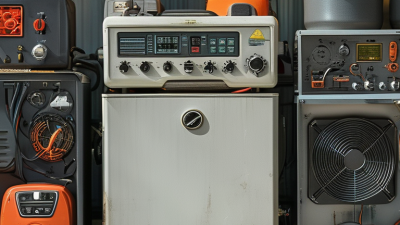
China’s top home backup battery suppliers in 2026 are offering several product types for different household needs.

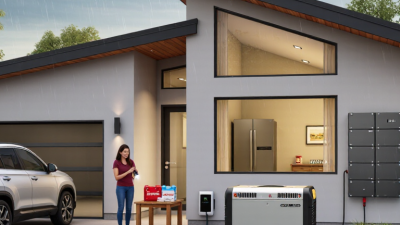
Wall-mounted units suit apartments with limited floor space.

Stackable systems work better for larger homes and gradual capacity upgrades.

Portable power stations support camping, emergency lighting, and short outages.

All-in-one systems combine batteries, inverters, and monitoring controls.

Storage capacity usually ranges from 5 kWh to more than 30 kWh.

A 5 kWh battery can support lights, routers, refrigerators, and selected outlets overnight.

Larger systems can cover heating pumps, kitchen appliances, or electric vehicle charging.

Actual runtime depends on load, temperature, inverter losses, and reserve settings. A supplier’s capacity chart is useful, but field measurements matter more.

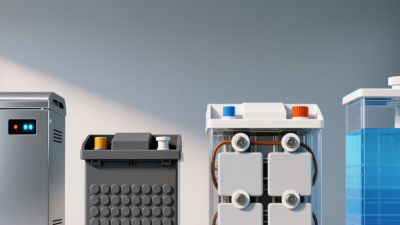
Lithium iron phosphate remains popular because it offers strong thermal stability and long cycle life.

Nickel-manganese-cobalt batteries can provide higher energy density, but require careful safety management.

Newer sodium-ion options may reduce cost in some applications, although their market evidence is still developing.

Battery management software should record temperature, voltage, and charge history. Check it carefully.

Warranty terms need practical details, including cycle limits, replacement procedures, and service response times.

Some specifications look impressive on paper. Real installation results may differ.

Testing under partial loads is often overlooked.

Safety Standards, Certifications, and Manufacturing Capabilities

China Top 10 Home Backup Battery Suppliers in 2026

Safety standards should guide any comparison of Chinese home backup battery suppliers. Look for evidence of IEC 62619 or IEC 63056 compliance for lithium battery systems. UN 38.3 testing is also important for transport safety. Depending on the destination, CE, UKCA, or other market approvals may apply. Certificates must match the exact battery model, factory, and production scope. A generic certificate proves very little.

Manufacturing capability deserves equal attention. Reliable suppliers usually operate automated cell sorting, laser welding, insulation checks, and end-of-line functional testing. Ask for battery management system test records and thermal protection data. Factory audits should examine incoming inspection, dust control, fire separation, and worker training. ISO 9001 can indicate process discipline, while ISO 14001 supports environmental management. Still, paperwork cannot replace production evidence.

Request serial-number traceability from cell batch to finished unit. Review cycle-life testing under realistic temperatures, not only ideal laboratory conditions. Check whether suppliers perform overcharge, short-circuit, vibration, and thermal-abuse tests. These details reveal practical experience. A certificate may be valid yet outdated. That happens. I would also compare warranty terms with actual service capacity, spare-part availability, and remote diagnostic support. One weakness remains: public supplier rankings rarely show factory-level differences, so independent audits and sample testing are safer than trusting polished sales material.

How to Compare and Select a Chinese Home Backup Battery Supplier

Choosing a Chinese home backup battery supplier requires more than comparing quoted prices. BloombergNEF reported that global lithium-ion battery pack prices fell to about USD 115 per kWh in 2024. However, residential systems include inverters, controls, testing, shipping, and installation support. A low battery price may hide expensive integration work.

Ask for the cell manufacturer, chemistry, usable capacity, round-trip efficiency, cycle conditions, and warranty limits. Lithium iron phosphate cells are widely favored for stationary storage because of their thermal stability. Request independent test reports, not only factory brochures. Check compliance with IEC 62619, UN 38.3, and destination-market electrical requirements. The IEA’s Batteries and Secure Energy Transitions report highlights the growing importance of battery storage for flexible electricity systems. Safety documentation should therefore be current and traceable.

Audit the supplier’s production line, incoming-cell inspection, software controls, and failure records. A sample unit should run under load before any large order. Measure standby consumption, switching time, noise, and temperature rise. Confirm spare-part availability and remote support in writing. Ask whether the warranty covers capacity loss, not merely complete failure. A spreadsheet can still lie. Forecast household demand using measured loads, not optimistic estimates. One weakness remains easy to miss: communication compatibility with the local inverter. Select a supplier that explains limitations clearly, even when the answer may reduce the order.