What Is an Off Grid Power Solution and How Does It Work?
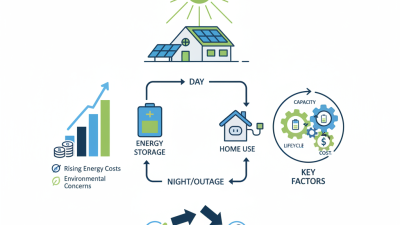
An off-grid power system generates electricity without relying on a national utility network. It commonly combines solar panels, batteries, charge controllers, and an inverter. Some installations also use wind turbines, micro-hydro units, or backup generators. The equipment works together like a small private grid. Sunlight charges the battery during the day. The stored energy then powers lights, pumps, refrigerators, or communication devices after sunset.
The need is substantial. The International Energy Agency reported that about 750 million people still lacked electricity access in 2023. Its Africa Energy Outlook also identifies distributed renewables as an important path for reaching remote communities. The World Bank’s ESMAP reports that off-grid solar has already improved electricity access for hundreds of millions of people. These figures explain the growing interest in off grid power solutions for rural homes, farms, clinics, construction sites, and emergency facilities.
A practical system must match local demand, weather, and maintenance capacity. A rural clinic may need reliable refrigeration for vaccines, while a home may only require lighting and phone charging. Battery size matters. So does seasonal sunlight. Oversized equipment increases cost, but undersized equipment creates daily shortages. That trade-off is often underestimated. Field experience shows that simple controls, clear user training, and accessible replacement parts can matter as much as panel efficiency. No design is perfect. Dust, cloudy weeks, aging batteries, and unexpected loads can reduce performance. This guide explains how off-grid systems operate, how key components interact, and which planning decisions influence long-term reliability.
What an Off-Grid Power Solution Is
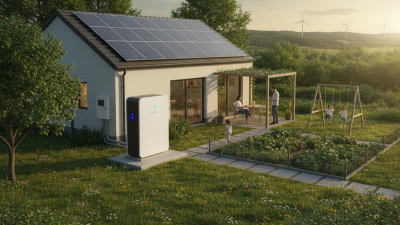
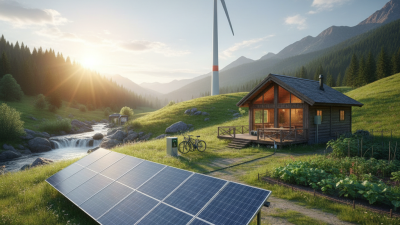
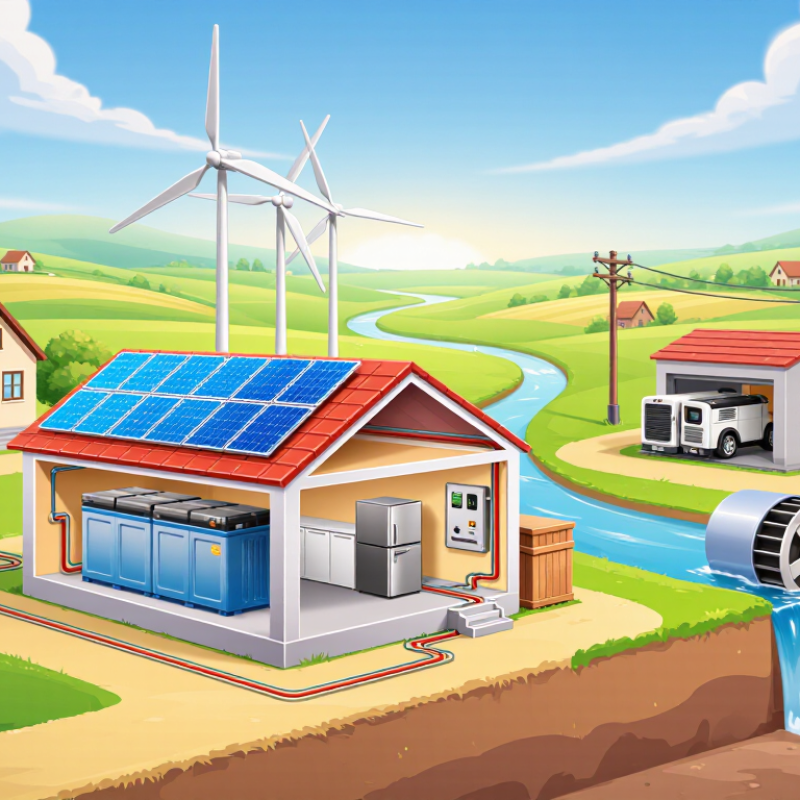
An off-grid power solution is an independent electricity system for a home, cabin, workshop, or remote facility. It does not rely on a public utility connection. Instead, it produces, stores, and distributes energy on-site. Solar panels are common, but wind turbines, micro-hydro systems, or backup generators can also contribute.
The system usually includes an energy source, charge controller, battery bank, inverter, and protective equipment. Solar panels create direct-current electricity during daylight. The charge controller regulates charging and helps protect the batteries. Stored energy then passes through an inverter, which supplies the alternating current used by lights, refrigerators, pumps, and other appliances.
Good design starts with measured energy use, not guesswork. A technician may record daily consumption, seasonal changes, startup surges, and several days of poor weather. Battery capacity must cover essential loads without excessive discharge. Ventilation, cable sizing, grounding, and overcurrent protection also matter. Small errors can become expensive.
Real systems are rarely perfect. A cloudy week can expose weak planning. Batteries also lose capacity over time, and users often underestimate heating or water-pumping demand. A practical solution separates essential loads from optional ones. It may keep refrigeration and lighting running while delaying power-hungry tools. Regular inspections, performance records, and honest adjustments help the system remain dependable.
How Off-Grid Energy Is Generated and Stored
What Is an Off Grid Power Solution and How Does It Work?
Off-grid power systems generate electricity without relying on a public utility network. Solar panels are usually the main source, while wind turbines or micro-hydro equipment can support production. A charge controller regulates incoming power and protects the battery bank from unsafe charging. The stored electricity later passes through an inverter, which supplies usable power to household appliances.
Energy generation changes with weather and seasons. Bright sunlight may fill batteries quickly, but cloudy days can reduce output sharply. Wind and flowing water also vary. Battery capacity must match essential loads, including refrigeration, lighting, water pumps, and communication devices. A backup generator can provide emergency support, but fuel storage adds cost and maintenance. No system is perfectly efficient. Energy is lost during conversion, wiring, and battery charging.
Tips: Measure actual appliance consumption before choosing equipment. Record daily usage for several weeks. Leave extra battery capacity for winter and unexpected demand. Keep batteries in a dry, temperature-controlled area when possible. Inspect cables and connections regularly. Many designs look sufficient on paper, yet fail during several cloudy days. That limitation deserves honest planning. A qualified installer should verify electrical protection, grounding, ventilation, and local safety requirements before operation.
How to Design, Operate, and Maintain the System
An off-grid power solution combines solar panels, batteries, an inverter, protection devices, and backup generation. Its design begins with measured demand, not guesswork. Record daily energy use, starting currents, seasonal changes, and critical loads. The International Energy Agency reported that about 750 million people lacked electricity access in 2022, showing why reliable decentralised systems remain important. Design for the worst useful month, not the brightest day.
Battery capacity should cover nighttime demand, cloudy periods, and a safe reserve. NREL’s Storage Futures Study commonly models lithium-ion round-trip efficiency near 85–95%, but real systems lose energy through wiring, temperature, and conversion. IRENA’s Renewable Power Generation Costs in 2023 reported a 90% fall in solar photovoltaic costs between 2010 and 2023. Lower equipment costs help, yet poor sizing still creates expensive failures. A perfect forecast does not exist.
Operation depends on simple routines. Check battery temperature, state of charge, inverter alarms, and unusual nighttime consumption. Clean panels when dust visibly reduces output, while inspecting cables after storms or animal activity. Keep ventilation clear. Maintenance records should include dates, readings, faults, and corrective actions. In practice, users often ignore small voltage changes until the lights fail. I still prefer conservative reserve margins, although oversized batteries increase cost and embodied materials. Local weather data, realistic growth assumptions, and trained operators matter more than impressive specifications.
Off-Grid Power Solution: Daily Energy Flow
This example shows how a typical off-grid solar power system operates over a 24-hour period. Solar generation supplies daytime loads and charges the battery, while the battery provides power during the evening and overnight. The system controller balances generation, consumption, and battery state of charge to maintain reliable electricity without a utility connection.