What Is a Home Battery and How Does It Work?
A home battery stores electricity for use when it is needed, rather than generating power itself. Paired with rooftop solar, it can hold daytime surplus for evening use. Connected to the grid, it may also charge when electricity is cheaper, depending on the system and local rates. In simple terms, a battery for home takes in electricity, stores it chemically, then sends it back through an inverter as household power. That sounds simple. The real system is more involved.
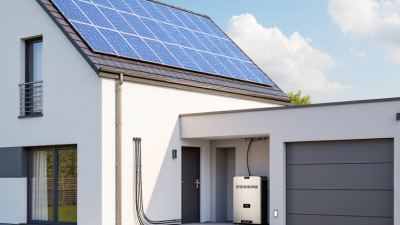
Inside a typical unit, battery cells store energy, while a battery management system monitors temperature, charge, and performance. An inverter converts electricity between the battery’s direct current and the alternating current used by most home appliances. During an outage, some systems can supply selected circuits, such as a refrigerator, lights, or a router. Others may not provide backup at all. Capacity, output power, installation design, and your household’s energy use all matter. A wall-mounted unit in a garage may look compact, but it cannot necessarily run every appliance at once.
The wider storage market is growing quickly. The International Energy Agency’s Batteries and Secure Energy Transitions report states that global battery storage capacity additions rose to about 42 gigawatts in 2023, more than 130% above the previous year. That figure includes grid-scale projects, not just household batteries, so it should not be mistaken for residential adoption. A home system’s value depends on practical details: your solar production, utility rates, outage needs, and installation costs. And one limitation deserves attention: storing energy does not make it free. A closer look at how batteries charge, discharge, and connect to a home helps set realistic expectations.
What a Home Battery Is and What It Stores
A home battery is a rechargeable system that stores energy for later use. Most residential models use electrochemical cells, often lithium-ion, though other chemistries exist. It does not hold electricity like water in a tank. Chemical reactions store energy and release it when the home needs power.
A battery may charge from rooftop solar or, where the system allows, from the grid. Power electronics manage charging and energy conversion. When needed, the battery’s inverter converts stored energy into alternating current for household use. Capacity, measured in kilowatt-hours, describes how much energy it can store; power, measured in kilowatts, describes how quickly it can deliver it. Those numbers matter. Usable capacity is usually lower than the stated capacity because operating limits help protect the cells. Backup performance also depends on installation and which circuits are connected, so estimates can miss real-world needs.
Tips: Check usable capacity, continuous power, and backup settings before comparing systems. A fridge, lights, and router may run for hours, but heating or cooking can drain energy quickly. Real usage varies.
The Main Components of a Home Battery System
The Main Components of a Home Battery System
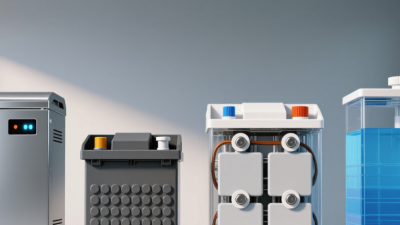
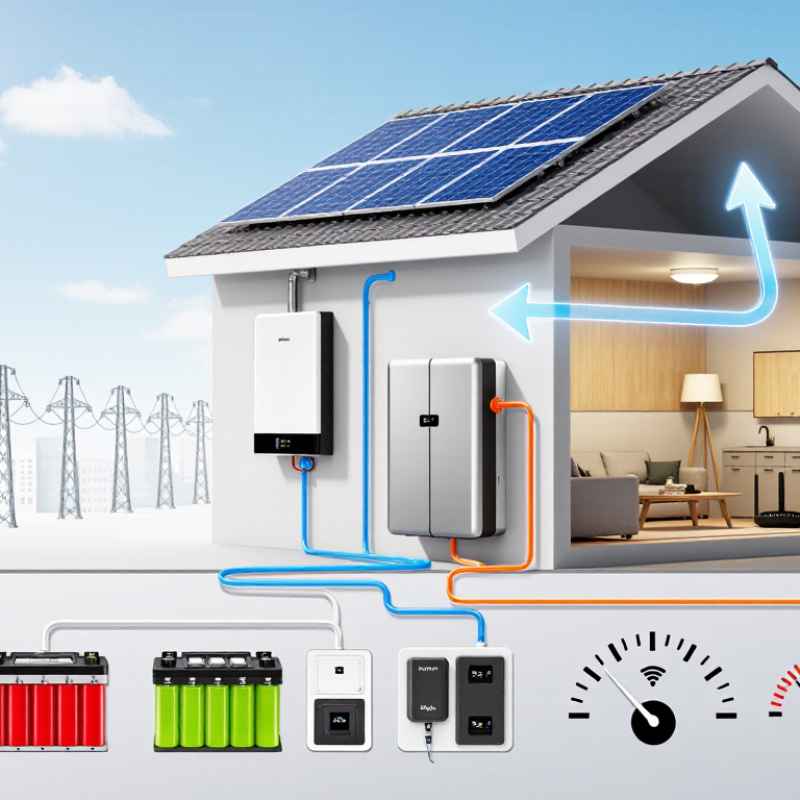
A home battery system starts with battery cells, usually grouped into modules inside a protective enclosure. These cells store electricity as direct current. A battery management system monitors cell voltage, temperature, and charge levels, then limits operation when readings fall outside safe ranges. Quiet work, but important.
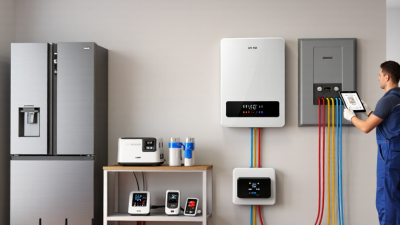
An inverter converts the battery’s direct current into alternating current for household circuits. Some systems use a separate battery inverter; others combine it with solar and grid controls. A meter and control unit track energy flows and decide when to charge or discharge, based on settings and system design. During an outage, a transfer switch or backup panel can isolate selected circuits from the grid. It will not necessarily power every appliance.
Disconnects, breakers, wiring, and a suitable installation location complete the setup. Their details affect maintenance and safety, so a qualified installer should check local requirements and the home’s electrical capacity. A tidy equipment layout helps. Still, a clean diagram can hide a poor choice, such as placing equipment where heat or moisture is hard to manage. The battery’s usable capacity and backup limits should be clear before installation.
How a Home Battery Charges from Solar or the Grid
A home battery stores electricity for use later, but its charging path depends on the system around it. When rooftop panels produce more power than the house needs, an inverter directs the surplus toward the battery. Solar panels generate direct current, while most household appliances use alternating current. The inverter manages that conversion. It is not magic.
On a cloudy afternoon, solar production may rise and fall, so charging can slow or pause. Many systems can also charge from the grid when solar output is low or when a homeowner schedules charging for a particular time. The battery’s control system monitors charge levels, temperature, and electrical flow. Settings vary by equipment, so a qualified installer should confirm how a specific setup is configured.
A hybrid inverter can manage solar, battery, and household power in one system; other setups use separate components. During a grid outage, some batteries can supply selected circuits, but backup capability depends on the wiring and system design. A battery also loses a little energy during charging and discharging. That detail is easy to overlook. Real-world performance can differ from a neat diagram, especially when household demand changes through the day.
How Stored Electricity Powers a Home
A home battery stores electricity for later use; it does not generate power itself. Its cells hold energy as direct current, or DC. An inverter converts that energy into alternating current, or AC, for typical household appliances. The battery may charge from rooftop solar panels or, depending on the system, from the grid. When needed, it supplies electricity to selected circuits or the home’s electrical panel. A refrigerator might stay on while an oven is left without power. Not every setup backs up every outlet.
During an outage, backup equipment disconnects the home from the utility grid before the battery supplies power. This helps prevent electricity from flowing back onto the grid. How long power lasts depends on battery capacity, output, and which appliances are running. A 10-kilowatt-hour battery does not guarantee ten hours of electricity; a heating system can draw much more than a few lights. Solar panels may recharge a battery in daylight, but cloudy weather can limit that help. The details matter.
Tips: Check which circuits receive backup power, and estimate their usual energy use. Keep the list realistic. It is easy to assume every appliance can run at once, but battery output has limits.
What Is a Home Battery and How Does It Work?
How stored electricity can help power a home throughout the day
This illustrative profile shows a home using about 20 kWh of electricity in one day. A home battery stores electricity—often from solar panels or the grid—and discharges it when household demand rises or solar production is low. The example battery supplies about 6 kWh; actual output depends on battery capacity, charging, and household use.
How Battery Controls Manage Power Flow and Backup
A home battery’s controls decide when electricity is stored, used, or sent elsewhere. Sensors track battery charge, cell temperature, and electrical demand. An inverter converts power between the battery’s direct current and the alternating current used by household circuits. A home energy controller compares live readings with settings such as backup reserve and solar priority. Small changes can matter.
When solar panels produce more electricity than the home needs, the controller may direct the surplus into the battery. Later, it can discharge stored energy to serve selected circuits or reduce electricity drawn from the grid. If the grid fails, an automatic transfer switch isolates the home from the utility lines before backup power begins. That separation helps prevent electricity from flowing back onto the grid. Not every outlet may stay on. The result depends on the system’s capacity and which circuits were selected.
Controls also limit how quickly the battery charges or discharges, helping manage heat and protect its cells. A reserved charge level can keep energy available for an outage, though it leaves less capacity for everyday use. That trade-off is easy to overlook. High-demand appliances, such as an electric oven, may exceed the backup system’s limits when several loads run together. Reviewing circuit choices and reserve settings with a qualified installer can make the system’s behavior more predictable. Even then, household demand changes, and settings may need another look.