A reliable home backup system is not simply the largest battery or the loudest generator. It is the setup that keeps essential circuits running through the outages your household is most likely to face. The U.S. Energy Information Administration’s Electric Power Annual reported that U.S. customers experienced an average of 5.5 hours of electricity interruptions in 2022, including major events. That national average is useful context, not a forecast for your street. Local outage history, weather exposure, and utility reliability matter more.
Start with the loads that cannot wait: a refrigerator, medical equipment, a sump pump, or the internet router beside your work desk. Then compare battery systems, standby generators, and hybrid setups by usable capacity, transfer time, runtime, fuel access, installation needs, and maintenance. Quiet operation may matter in a close-set neighborhood. So may cold-weather performance. A system’s advertised capacity does not tell the whole story.
The best home back up power choice depends on what you need to protect and how long outages typically last. Batteries can provide quiet, fast backup, while generators can sustain longer outages when fuel is available. Hybrid systems may offer flexibility, but they add equipment and cost. There is no universal winner. And real homes are messy: a single overlooked circuit can leave the well pump or heating controls offline. This guide compares practical options, highlights trade-offs, and explains which questions to ask before choosing a system.
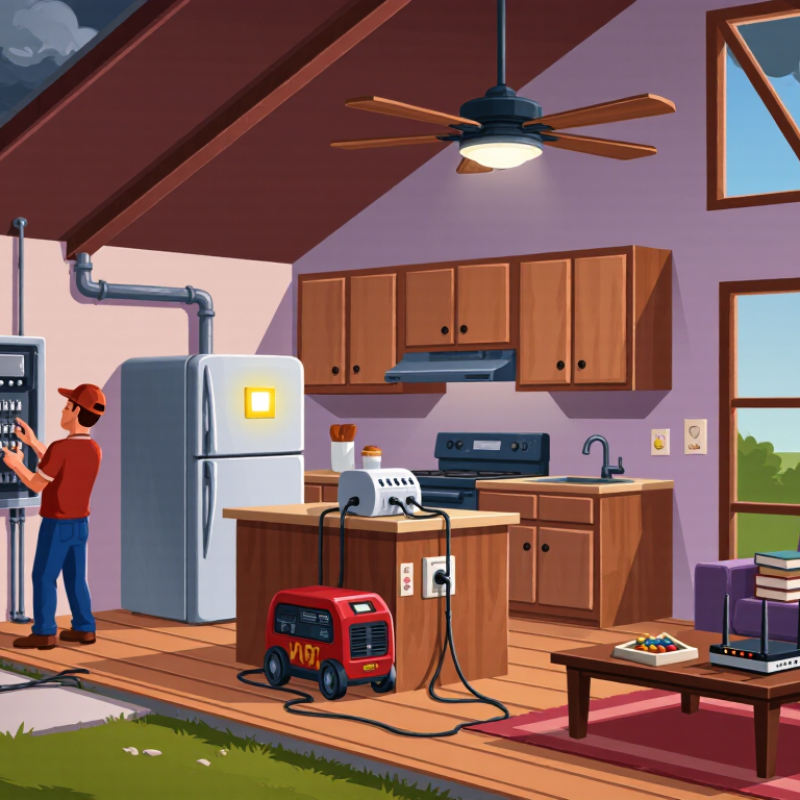
An annual average of 5.5 outage hours can sound reassuring. The U.S. Energy Information Administration reported that figure for 2022, but a national average cannot predict a particular home’s next outage. Local storms, aging equipment, and utility repair times create sharp differences. One household may lose power for minutes; another may sit in the dark overnight. That matters. Treat the EIA figure as context, not a sizing rule.
For a practical estimate, list the loads you need to keep running: a refrigerator, a few lights, phone chargers, and perhaps a medical device or heating controls. Note their wattage and likely runtime. NREL’s 2024 Annual Technology Baseline uses about 85% round-trip efficiency as a lithium-ion storage modeling assumption; real installations vary, so usable energy is less than the battery’s label suggests. A modest system may cover essential circuits for a short interruption, while longer outages call for more stored energy or another charging source. Keep some margin. It is easy to count appliances and forget startup surges, cold weather, or a battery that is not fully charged. The 5.5-hour average is useful, but it is an imperfect planning target.
EIA’s 2022 electricity data report average U.S. residential consumption of 10,791 kWh per customer annually, or about 29.6 kWh per day. That is an average. It describes whole-home use across every season, not the energy a backup system must supply during an outage. A refrigerator, modem, several lights, and a furnace control board use less than an electric range, clothes dryer, and central air conditioner running together.
Start with actual utility bills and list the circuits you want to keep on. Estimate each load’s running watts and hours of use; check starting surges for motors, too. NREL’s ResStock modeling reflects how household energy use varies with climate, building features, and equipment, so a national average cannot size every home. A modest daily total can still hide a demanding peak. That part is easy to miss.
Separate power from stored energy. Power, measured in kilowatts, determines which appliances can run at once; capacity, measured in kilowatt-hours, helps determine how long they can run. For example, 2 kW of selected loads running for six hours require roughly 12 kWh before losses and reserve capacity. Add a practical margin, then revisit the list: the television may feel essential at night, while a pump or medical device may matter more during a long outage. EIA’s figure is a useful benchmark, but your own meter and priorities should guide the final size.
The best home backup power system in 2026 depends on what you need to keep running. A home battery can power lights, a refrigerator, internet equipment, and selected outlets without engine noise. It switches over quickly. Quiet matters during an overnight outage. But a battery has limited stored energy, and heavy heating or cooling can drain it sooner than expected. Check the usable capacity and output rating, not just the advertised size.
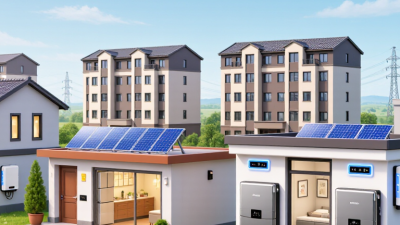
Solar paired with storage can recharge a battery during daylight, making it useful through longer outages when weather and system design cooperate. It is not unlimited power: cloudy days, winter light, and household demand all affect performance. A fuel-powered generator can run for extended periods if fuel is available, but it needs maintenance, produces noise, and must stay outdoors, far from windows and doors. A practical comparison starts with a written list of essential appliances and their running loads. Then consider outage length, installation space, and maintenance you will actually keep up with. I would not choose by headline capacity alone; real household use can be messier than a neat calculation.
A backup system’s kilowatt-hour rating describes stored energy, not how many appliances it can power at once. A 10 kWh battery may run essential loads for several hours, but actual runtime depends on usable capacity and demand. List what must stay on: perhaps a refrigerator, a few lights, Wi-Fi, and a medical device. Then estimate each load in watts and hours. Small details matter. A refrigerator cycles; it does not draw its full rated power constantly. Keep some capacity in reserve, since cold weather, aging, and conversion losses can reduce what is available.
Kilowatts measure power delivered at one moment. Check both continuous output and surge output, especially for motors in pumps or refrigerators that briefly draw extra power when starting. Add the loads likely to run together, not every appliance in the house. A system that has enough kWh can still trip if its output limit is too low. I would not rely on a single “whole-home” label without checking which circuits are actually backed up.
Runtime estimates are useful, but rarely exact. Divide usable battery capacity by the expected average load for a rough estimate, then allow for losses and changing demand. Transfer time matters too: a brief interruption may reset a router or computer, while some controls may need uninterrupted power. Confirm the system’s transfer behavior and circuit compatibility with a qualified installer. Test the setup under realistic loads; I have to admit that paper calculations can look reassuring until a pump starts.
A useful 2026 backup plan starts with the loads you cannot comfortably lose. List the refrigerator, a few lights, internet equipment, and any essential medical devices. Add their running watts, then check startup surges: a refrigerator or well pump may briefly need much more power. Start with essentials. A system’s kilowatt rating describes what it can run at once; its kilowatt-hours indicate how long it may run.
Outage length matters as much as appliance count. The U.S. Energy Information Administration’s 2022 reliability data put average customer interruptions at roughly 5.5 hours when major events were included; local experience can differ sharply. The National Renewable Energy Laboratory’s Annual Technology Baseline uses a four-hour battery configuration as a reference case, not a promise of four hours for every home. Estimate your own runtime from usable capacity and measured loads. That estimate is imperfect, especially when heating or cooling cycles change.
For brief outages, a modest battery may cover essentials without the noise or fuel handling of an engine-based generator. Longer outages may justify more storage, a generator, or solar charging, but each raises cost or installation complexity. Compare upfront price, usable capacity, output, installation, and maintenance—not headline capacity alone. Keep a margin for cold weather and aging batteries. I would still revisit the list after a real outage; people often discover that one overlooked pump changes the whole plan.
| System type | Typical capacity | Loads it can commonly support | Practical backup duration | Approx. 2026 U.S. budget | Best fit | Key trade-offs |
|---|---|---|---|---|---|---|
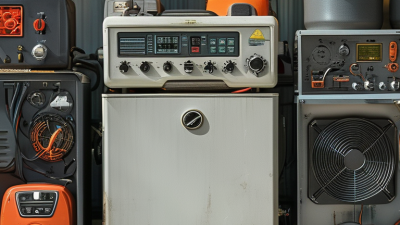
| Portable inverter generator | About 2–4 kW running output | Refrigerator, lights, router, device charging, and a few small appliances when loads are managed. Usually not whole-home air conditioning. | Often several hours per tank; runtime depends on tank size and electrical load. Can be refueled as permitted by the manufacturer. | Roughly $500–$2,000 for the generator; transfer equipment and electrical work may add cost. | Lower budgets, occasional short outages, and essential loads. | Requires outdoor operation, manual setup, fuel storage, and safe refueling. Never operate indoors, in a garage, or near openings. |
| Portable generator with transfer switch | About 5–10 kW running output | Selected circuits such as refrigeration, lighting, internet, a sump pump, and some well pumps; larger motor starts may require extra capacity. | Typically hours per tank, with longer coverage possible if fuel is available and the unit is maintained. | Approximately $1,500–$5,000 including a typical transfer-switch installation; site conditions affect labor cost. | Households needing several circuits during outages but not automatic whole-home backup. | Manual startup and refueling; a licensed electrician should size and install the transfer equipment to prevent unsafe backfeed. |
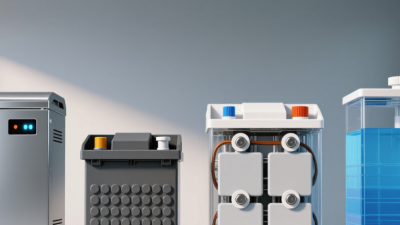
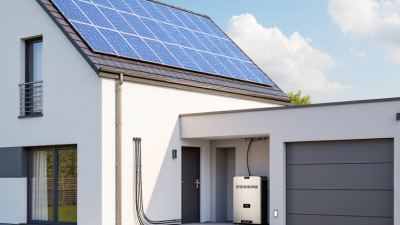
| Home battery system | Commonly 5–15 kWh of stored energy, with inverter output often around 3–10 kW | Quiet backup for selected circuits: refrigeration, lighting, communications, and some small appliances. High-draw heating or cooling can shorten runtime substantially. | Several hours to more than a day for essential loads, depending on usable capacity, load, temperature, and reserve settings. | Approximately $6,000–$18,000 installed, before any applicable incentives; capacity and electrical work drive the range. | Short outages, indoor quiet operation, and households prioritizing automatic changeover and low routine maintenance. | Stored energy is finite; recharging needs grid power, solar, or another source. Confirm both continuous and surge output for motors. |
| Standby generator | Commonly about 10–24 kW, sized to the home and selected loads | Can support multiple household circuits; whether it can run central air conditioning or most of the home depends on generator size, starting loads, and load management. | Can operate for extended outages when connected to an adequate fuel supply, with required maintenance and fuel availability. | Typically about $8,000–$20,000 installed; fuel connection, site preparation, permits, and electrical upgrades can increase cost. | Frequent or prolonged outages and a preference for automatic operation. | Higher upfront and maintenance costs; needs outdoor placement, permitted installation, and a reliable fuel supply. |
| Battery plus generator | A battery of about 5–15 kWh paired with a suitably sized generator | Battery covers quiet, immediate essential loads; generator can supply larger loads and may recharge the battery, subject to system compatibility and sizing. | Potentially extended coverage while fuel remains available; battery-only duration still depends on stored energy and household demand. | Often about $12,000–$30,000 or more installed, depending on equipment, fuel connection, battery size, and integration work. | Long outages where quiet short-term backup and longer-duration generation are both valuable. | More complex and costly; verify controls, charging limits, transfer equipment, and installer support as one integrated design. |
Budget figures are broad U.S. planning estimates, not quotes; local labor, permits, fuel connections, electrical upgrades, and equipment sizing can change costs. Before choosing a system, list essential loads, check appliance starting watts, and estimate how many hours or days the home must operate. Have permanently installed equipment assessed and installed by qualified professionals, and follow all manufacturer and local safety requirements.